
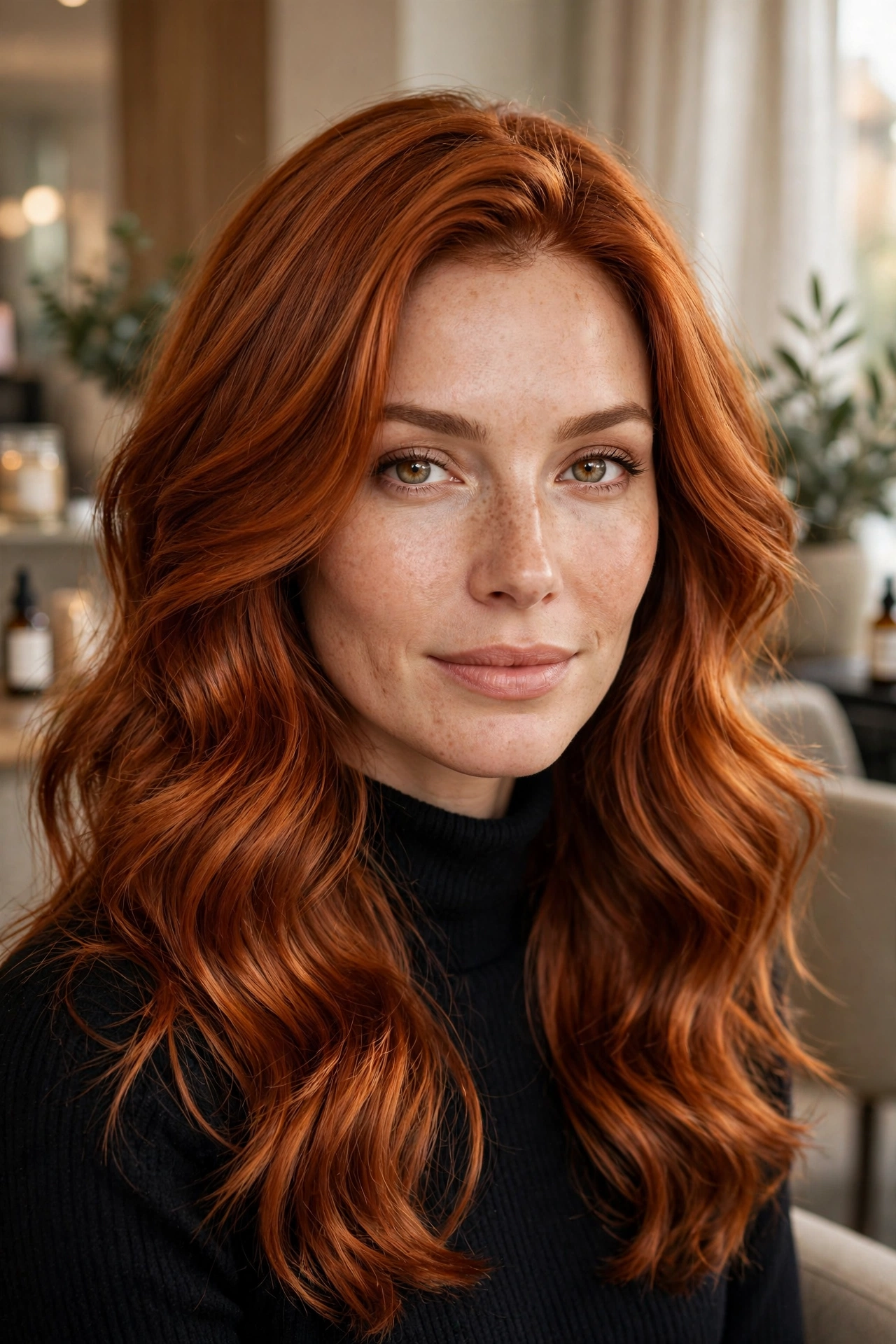
Hair color ideas are the fastest way to change how you feel about your reflection. A new shade can brighten your skin, make your eyes stand out, soften a strong jawline, or simply mark a fresh chapter. The best hair color ideas are not the trendiest ones — they are the ones that suit your skin tone, your natural colour, and the amount of maintenance you are honestly willing to do. This guide covers 25 hair color ideas for every skin tone and hair type, how to choose, and how to keep the colour looking salon-fresh for weeks.
- Hair color ideas work best when they flatter your skin’s undertone: warm shades for warm skin, cool shades for cool skin.
- Staying within two shades of your natural colour is the lowest-maintenance choice; bigger changes need more upkeep.
- Balayage and highlights grow out gracefully; all-over colour needs a root touch-up every 4–6 weeks.
- Always do a patch test 48 hours before colouring, and use colour-safe shampoo afterwards.
Hair Color Ideas: 25 Shades for Every Skin Tone
Find your undertone first — warm, cool or neutral — then pick from your list.
- Rich chocolate brown: deep, glossy, universally flattering. The safest beautiful choice there is.
- Warm caramel balayage: sun-kissed ribbons through brown hair — low maintenance, high glow.
- Honey blonde: warm, golden blonde that lights up warm skin tones.
- Ash blonde: cool, smoky blonde for cool skin — chic and modern.
- Copper: the season’s favourite — fiery, warm and unforgettable.
- Auburn: red-brown, softer than copper, and gorgeous on fair skin.
- Cherry cola: deep red with dark brown depth — rich, glossy, dramatic.
- Espresso black: near-black with shine — striking on cool and olive skin.
- Golden brown: warm mid-brown with golden reflects — sunlit and soft.
- Platinum blonde: bold, icy, high-maintenance — and worth it if you commit.
- Bronde: the brown-blonde blend — the most natural-looking lightening there is.
- Rose gold: pink-gold shimmer, subtle and pretty — the gentlest fashion colour.
- Burgundy: deep wine red, flattering on medium and deep skin tones.
- Mocha: cool brown with a hint of ash — sophisticated and low-key.
- Strawberry blonde: blonde with a blush of red — luminous on fair, warm skin.
- Jet black with blue shine: dramatic, glossy, editorial.
- Caramel highlights: face-framing ribbons that brighten without a full colour change.
- Chestnut: warm reddish-brown, rich and classic.
- Silver grey: embracing grey with intention — modern, elegant, and increasingly popular.
- Mahogany: deep red-brown with warmth — luxurious on dark hair.
- Sandy blonde: neutral blonde with beige tones — the easiest blonde to maintain.
- Dark blonde with lowlights: dimension without bleach — perfect for a first colour.
- Peekaboo colour: a hidden flash of pink, blue or purple under the top layer — fun and concealable.
- Ombré: dark roots fading to light ends — the grow-out-friendly classic.
- Rich red: true, vibrant red for the bold — unforgettable with fair skin and green eyes.
Choosing a Hair Colour for Your Skin Tone
Skin undertone is the key. Warm undertones (gold jewellery looks better on you, veins look green) suit warm shades: honey, caramel, copper, golden brown and warm reds. Cool undertones (silver jewellery suits you, veins look blue) suit cool shades: ash blonde, espresso, burgundy, cool brown and platinum. Neutral undertones can wear almost anything — lucky you. If you are unsure, hold a piece of gold fabric and a piece of silver fabric near your face in daylight: the one that makes you look healthier is your undertone. Also consider your eye colour: warm browns make green and hazel eyes glow, cool ash tones make blue eyes pop, and rich reds make brown eyes look deeper. And be honest about maintenance: platinum and vivid reds need a salon visit every 4 weeks, while balayage and bronde can go 8–12 weeks between appointments. If you are pairing a new colour with a seasonal look, our holiday party hairstyles ideas show how to style it for a night out.
Balayage, Highlights or All-Over Colour?
Balayage — hand-painted, sun-kissed lightness — is the lowest-maintenance option: it grows out softly with no harsh line, and you can wait 3–4 months between visits. Traditional foil highlights give a brighter, more uniform lift and suit anyone who wants visible lightness. All-over colour gives the most dramatic change and the most even result, but the regrowth line is visible within weeks, so it needs a root touch-up every 4–6 weeks. For a first colour, most stylists recommend balayage or face-framing highlights: a big visual change with a gentle commitment. Whatever you choose, book a consultation first — a good colourist will check your hair’s condition, talk through maintenance, and sometimes suggest a different shade than the one you brought in. In winter, colour needs extra care — our winter hair care tips for dry hair will keep coloured hair soft through the cold months.
Keeping Your Hair Colour Fresh
Colour fades fastest in the first two weeks, so treat it gently: wait 48–72 hours before the first wash, use lukewarm water, and switch to a sulphate-free, colour-safe shampoo. Wash less often — two or three times a week is enough for most people — and use dry shampoo between washes. A weekly deep-conditioning mask keeps coloured hair soft and shiny, and a colour-depositing conditioner can refresh the tone between salon visits. Protect your colour from sun and chlorine: a hat in strong sun, and a swim cap or a rinse with clean water before swimming. And never colour over a bad result at home — if a home colour goes wrong, a colourist can fix it, but only if you have not layered more colour on top. For a complete seasonal look, pair your new shade with one of our Christmas dinner outfit ideas.
Colour Mistakes to Avoid
Going too light in one session is the classic mistake — lifting dark hair to platinum takes multiple appointments, and rushing it damages the hair. Choosing a shade from a box photo is the second: box photos are printed on white hair, not yours. Colouring over henna or metallic dyes is the third: it can react badly, so always tell your colourist what is already on your hair. And skipping the strand test is the fourth: a 20-minute strand test tells you exactly how the colour will take on your hair, and it is the difference between a surprise and a result. Take your time, trust your colourist, and remember that hair grows — even a colour you do not love is temporary.
Frequently Asked Questions
What hair colour suits warm skin tones?
Warm shades: honey blonde, caramel, copper, golden brown, auburn and warm reds. Gold jewellery usually suits warm skin best.
What is the lowest-maintenance hair colour?
Balayage or a shade within two levels of your natural colour. Both grow out softly with no harsh root line.
How often should I touch up my hair colour?
All-over colour every 4–6 weeks, highlights every 6–8 weeks, balayage every 8–12 weeks. Vivid fashion colours fade fastest and need the most upkeep.
Can I colour my hair at home?
Yes for a single shade close to your natural colour, with a patch test first. For lightening, balayage or a big change, a professional colourist is safer and gives a better result.
Hair color ideas are not about following a trend — they are about finding the shade that makes you look like yourself on your best day. Know your undertone, be honest about maintenance, trust your colourist, and take care of the colour once it is in. The right shade does not just change your hair; it changes how you walk into a room.