
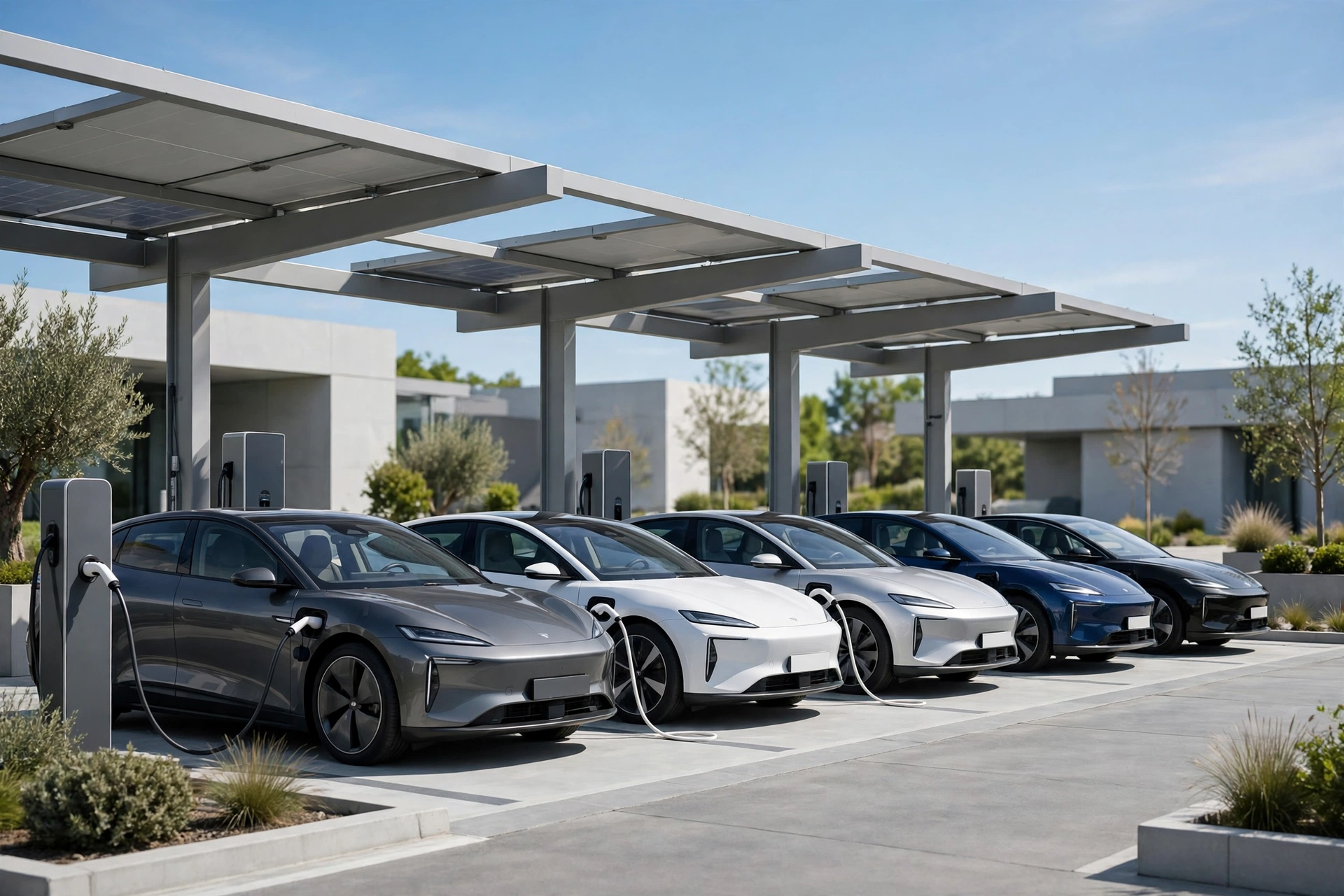
Picking from the best electric cars 2025 has to offer is easier than it was a few years ago, and harder in a different way. Easier because the cars are genuinely good now — range is up, charging is faster, and prices have come down. Harder because there are so many decent options that the choice feels endless. This guide cuts through that. We looked at range, real-world charging speed, price, and how the cars actually feel to live with, and picked the standouts for different budgets and needs.
- The Chevrolet Equinox EV is the best value pick, starting around $35,000 with over 300 miles of range.
- The Tesla Model 3 remains the efficiency and charging-network champion, with the Model Y close behind for families.
- The Hyundai Ioniq 5 charges faster than almost anything near its price, going from 10 to 80 percent in about 18 minutes.
- Most buyers should aim for at least 250 miles of EPA range — it makes road trips and cold weather far less stressful.
- Check incentives before you buy: federal and state credits can change the real price by thousands.
Best Electric Cars 2025: The Shortlist
Every car below earns its place for a different reason. There is no single “best” EV for everyone, so start with your budget and your daily driving, then match the car to it. Prices are starting prices before incentives, and range figures are EPA estimates — your real range will vary with weather, speed, and how heavy your right foot is.
Best value: Chevrolet Equinox EV
The Equinox EV is the car that changed the value conversation. Starting around $35,000, it gives you an EPA-rated range of over 300 miles in its long-range form, a roomy cabin, and a proper SUV shape that families actually want. It is not flashy, and that is the point. It does the normal-car stuff well: comfortable seats, a big boot, quiet ride, and simple controls. If you want an EV that feels like a regular car with a battery instead of a gadget on wheels, this is the one to test first.
Best all-rounder: Tesla Model 3 and Model Y
The Model 3 starts around $38,000 and still sets the pace for efficiency, getting more miles per kilowatt-hour than most rivals. The Model Y, its SUV sibling, adds space and a higher seating position for a few thousand more. What really sells Teslas is the Supercharger network — plug in, charge fast, and never wonder whether the charger will work. The interiors are spartan and the controls live almost entirely on a screen, which some drivers love and others tolerate. Test drive one before deciding which camp you are in.
Best for fast charging: Hyundai Ioniq 5 and Kia EV6
The Ioniq 5 and its cousin the EV6 share an 800-volt platform that charges at speeds most rivals cannot touch. On a fast DC charger, 10 to 80 percent takes roughly 18 minutes — about the time it takes to grab a coffee. The Ioniq 5 starts around $43,000 and has a retro-futuristic look that turns heads, while the EV6 leans sportier. Both offer around 300 miles of range in long-range form. If you road trip often, charging speed matters more than a few extra miles of range, and these two win that argument.
Best budget pick: Nissan Leaf
The Leaf starts around $28,000, making it the cheapest way into a new EV. Its range is modest — around 150 miles in the base version — so it suits a second car or a short commute rather than long trips. It is also an older design, and a new Leaf is on the way. Still, for city driving and a tight budget, it is hard to beat on price per mile.
How to Choose the Right EV for You
Work out your real range need
Take your longest regular drive, double it, and add a margin for cold weather, which can cut range by 20 to 30 percent. For most people that lands somewhere between 200 and 300 miles of EPA range. Paying for 350-plus miles makes sense only if you regularly drive long distances between charges or cannot charge at home.
Check your charging situation first
Home charging changes everything. If you can plug in overnight, even a slow charger covers a daily commute, and you will almost never visit a public charger. If you cannot charge at home, prioritise fast-charging speed and a reliable network near you. Before buying, check the apps for chargers on your regular routes — a great car with no chargers nearby is a bad buy.
Do not ignore the total cost
EVs cost less to run: electricity is cheaper than petrol per mile, and there are fewer moving parts to service. But insurance can be higher, and tyres wear faster because EVs are heavy and quick. Run the numbers over three years, not just the sticker price. Our guide to high-yield savings accounts can help you set aside a car fund that actually earns something while you decide, and our roundup of budget tech picks shows the same value-first thinking we apply here.
EVs Worth a Look in 2025
Beyond the headline picks, a few more deserve a test drive. The Ford Mustang Mach-E is the most fun mainstream EV to drive, with sharp handling and a starting price around $39,000. The Volkswagen ID.4 is a quiet, comfortable family SUV with around 290 miles of range. The BMW i4 brings proper luxury and a superb driving feel if your budget stretches past $55,000. And if you want a truck, the Rivian R1T remains the most complete electric pickup, though it starts closer to $70,000.
One more thing worth saying: 2025 models are now being discounted as 2026 cars arrive, so the deals on the cars in this list may be better than the sticker prices suggest. A leftover 2025 Equinox EV or Ioniq 5 with a dealer discount can be the best EV bargain of the year. If you are comparing tech and gadgets more broadly, our best noise-cancelling earbuds guide uses the same shortlist approach for a smaller purchase.
Frequently Asked Questions
What is the best electric car in 2025 overall?
For most buyers, the Tesla Model 3 or the Chevrolet Equinox EV. The Model 3 wins on efficiency and charging, while the Equinox EV wins on value and space for the money.
How much range do I really need in an EV?
At least 250 miles of EPA range for comfortable everyday use, and 300 or more if you road trip or cannot charge at home. Cold weather can cut range by 20 to 30 percent.
Are electric cars cheaper to run than petrol cars?
Usually, yes. Electricity costs less per mile than petrol, and EVs need less routine maintenance. Insurance and tyre costs can be higher, so check the full picture.
How long does it take to charge an EV?
At home overnight, 8 to 10 hours on a standard charger. On a fast DC charger, cars like the Hyundai Ioniq 5 go from 10 to 80 percent in about 18 minutes.
Should I buy a 2025 EV now or wait for 2026 models?
If the 2025 model meets your needs, buy it — dealers are discounting 2025 stock as 2026 cars arrive, and the cars themselves are barely different year to year.
The best electric cars 2025 gave us are good enough that the “should I wait?” question matters less than it used to. Pick the car that fits your budget, your charging situation, and your daily driving, test drive at least two of them, and check the incentives before you sign. The right EV is the one you stop thinking about after the first month — it just works, quietly and cheaply, every single day.
1 thought on “Best Electric Cars 2025: Top Picks for Every Budget”