
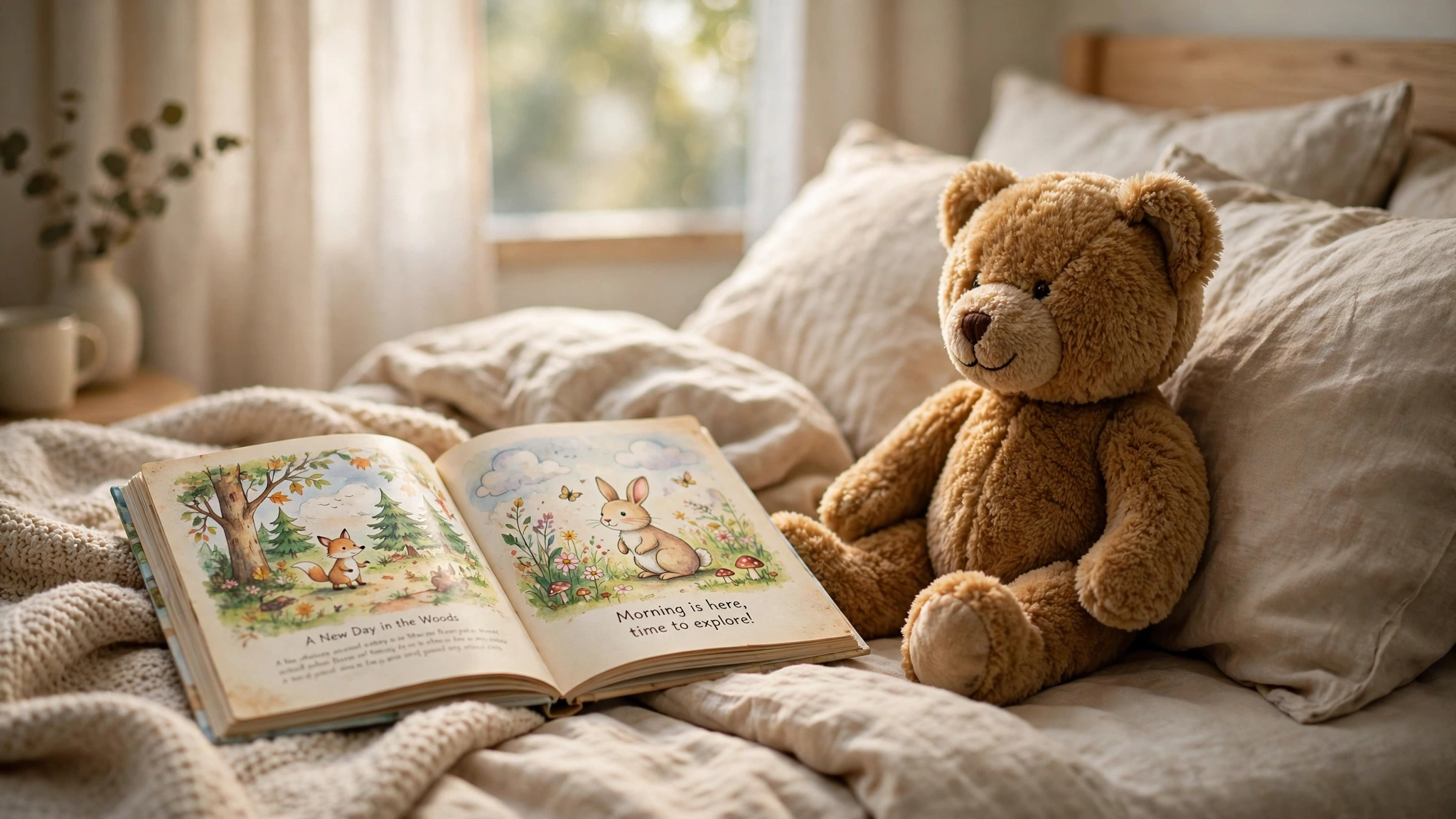
A weighted stuffed animal looks like an ordinary plush toy, but it feels different the moment you pick it up. Inside the soft filling are tiny glass beads or pellets that give it a gentle, even weight, usually between two and five pounds. That weight is the whole point: steady pressure on the body can feel calming, the same way a heavy blanket or a firm hug does. Kids love them, adults use them for sleep and stress, and they have become one of the most searched comfort products of the last few years. Here is how they work, who they help, and how to pick the right one.
- A weighted stuffed animal uses evenly spread weight, usually 2 to 5 lbs, to give gentle deep-pressure comfort.
- Many people find the pressure calming at bedtime, during travel, or in stressful moments — kids and adults alike.
- As a rough guide, pick a weight around 10 percent of the user’s body weight, and never use one for a baby or toddler under three.
- Look for washable covers, stitched weight pockets that keep the filling even, and soft, skin-friendly fabric.
- Weighted plush toys are comfort tools, not medical treatment — if anxiety or sleep problems persist, talk to a doctor.
Weighted Stuffed Animal: How Does the Weight Actually Help?
The idea behind a weighted stuffed animal is deep pressure stimulation. Gentle, even pressure across the body is thought to help the nervous system shift out of fight-or-flight mode, a bit like swaddling a baby or wrapping yourself in a heavy blanket. Occupational therapists have used weighted blankets and lap pads for years with children who struggle to settle, and weighted plush toys bring the same idea into a shape a child actually wants to hold.
For kids, the animal usually lives on the bed or in the car: something to hug at bedtime, hold during a long journey, or squeeze when the day feels too big. For adults, the same toy often sits on the sofa or the desk, used during reading, work calls, or winding down at night. The effect is subtle rather than dramatic — most people describe it as “grounding” rather than a cure — but for a product that costs less than a weighted blanket, it is an easy thing to try. If you are setting up a calm corner for a child, our toy storage ideas will help you keep the collection tidy without hiding the favourites.
What Weight Should You Choose?
Weight is the one thing that matters most, and heavier is not better. A common rule of thumb, borrowed from weighted blankets, is around 10 percent of the user’s body weight. That means a 40-pound child does well with a 3 to 4-pound plush, while most adults are comfortable with 4 to 5 pounds. A toy that is too heavy feels like a chore to carry and can strain small arms; one that is too light just feels like an ordinary stuffed animal.
Some brands sell one standard weight, others offer a range. If you are buying for a child, check the age guidance on the label and choose the lighter end of the range — you can always size up later. The weight should sit evenly through the body and limbs. Cheap versions sometimes let all the beads sink to one end, which defeats the purpose. Before buying, read reviews that mention whether the filling stays distributed after washing and use.
Safety first
Weighted plush toys are not suitable for babies or children under three, and they should never be placed on a sleeping infant or used to cover a child’s face. A child should always be able to move the toy off themselves easily. If your child has breathing problems, a medical condition, or a sensory processing disorder, check with a doctor or occupational therapist before buying. The same applies to adults with respiratory or circulation issues.
Types of Weighted Stuffed Animals
Not all weighted plush toys are the same shape, and the shape changes how they are used.
Classic animals: bears, bunnies and dinosaurs
The most common type is a familiar animal — a bear, a bunny, a dinosaur, a sloth — with weight spread through the body. These work best as bedtime companions and travel buddies, because the child already wants to cuddle the shape. Look for floppy limbs that drape nicely over a lap or shoulders.
Lap pads and shoulder wraps
Some weighted plush toys are designed to sit on the lap or drape over the shoulders rather than be hugged. These are popular for older kids doing homework, or adults working at a desk, because the weight stays put without needing to hold anything. They often look like a small animal lying flat, with the weight in a wide panel.
Warmable weighted plush
A few brands combine weight with a heatable insert, usually a pouch of grains or beads you warm in the microwave. The warmth adds another layer of comfort, especially for period pain, sore muscles, or cold nights. Check the heating instructions carefully, test the temperature before giving it to a child, and never heat a plush that is not designed for it.
What to Look for Before You Buy
Start with the fabric. The best weighted stuffed animals use soft, breathable materials like plush polyester or cotton, with no scratchy seams. If the toy will be used by a child, a removable, machine-washable cover is worth paying for — plush toys collect dust, dribble and snack crumbs fast, and a weighted toy is too heavy to wash casually. Our baby-proofing guide covers the same washable-everything thinking for a nursery.
Next, check the stitching. The weight should be held in small sewn pockets or quilted channels so it cannot all slide to one side. Tug gently at the seams in the shop or check photos of the toy after months of use in reviews. Zips should be hidden and sturdy, and there should be no small parts — buttons, plastic eyes, or beads — that a young child could pull off.
Finally, think about size. A 5-pound plush that is two feet long is a bedtime companion; a 2-pound one that fits in a backpack is a travel toy. Measure the space where it will live. A giant weighted bear looks adorable on a bed, but it takes up a lot of it, and our best baby monitors guide is a reminder that the nursery has limited space for big extras.
Do Weighted Stuffed Animals Actually Work?
The honest answer is that the evidence is mixed but encouraging. Weighted blankets have the most research behind them, and the results are modest: many people report better sleep and less anxiety, while others notice no difference. Weighted stuffed animals have far less formal research, but the mechanism is the same, and user reviews are consistently positive, particularly for children who struggle to settle at bedtime or who find comfort in holding something during stressful moments.
Think of it as a comfort tool, not a treatment. If a weighted plush helps your child fall asleep faster or helps you unwind after a long day, it has done its job. If anxiety, sleep problems, or sensory issues are ongoing, a weighted toy is a useful extra, not a substitute for professional advice.
Frequently Asked Questions
How heavy should a weighted stuffed animal be?
Around 10 percent of the user’s body weight is the usual guide — 3 to 4 pounds for a young child, 4 to 5 pounds for most adults. Lighter is safer for kids; the toy should always be easy to lift and move.
Are weighted stuffed animals safe for toddlers?
Not for children under three, and never for babies. The toy must never cover a child’s face or restrict movement. If in doubt, ask your child’s doctor first.
Can adults use weighted stuffed animals?
Yes. Many adults use them for sleep, anxiety, or as a desk companion. The same weight guidance applies — pick one you can lift comfortably and that feels calming rather than heavy.
How do you wash a weighted stuffed animal?
Spot-clean when you can. If it is machine-washable, use a gentle cycle inside a laundry bag and air-dry. Never tumble-dry on high heat.
What is inside a weighted stuffed animal?
Usually tiny glass beads or plastic pellets, stitched into pockets so the weight stays even, plus soft polyester filling. Cheaper versions may use sand or steel shot — glass beads are the most common and the easiest to wash.
A weighted stuffed animal is a simple idea done well: a soft toy with just enough weight to feel like a hug that stays. Pick the right weight, check the stitching and the washing instructions, and keep it out of the cot for the littlest ones. For a child who struggles to settle, or an adult who just wants something to hold at the end of a long day, it is a small comfort that earns its place on the bed.