
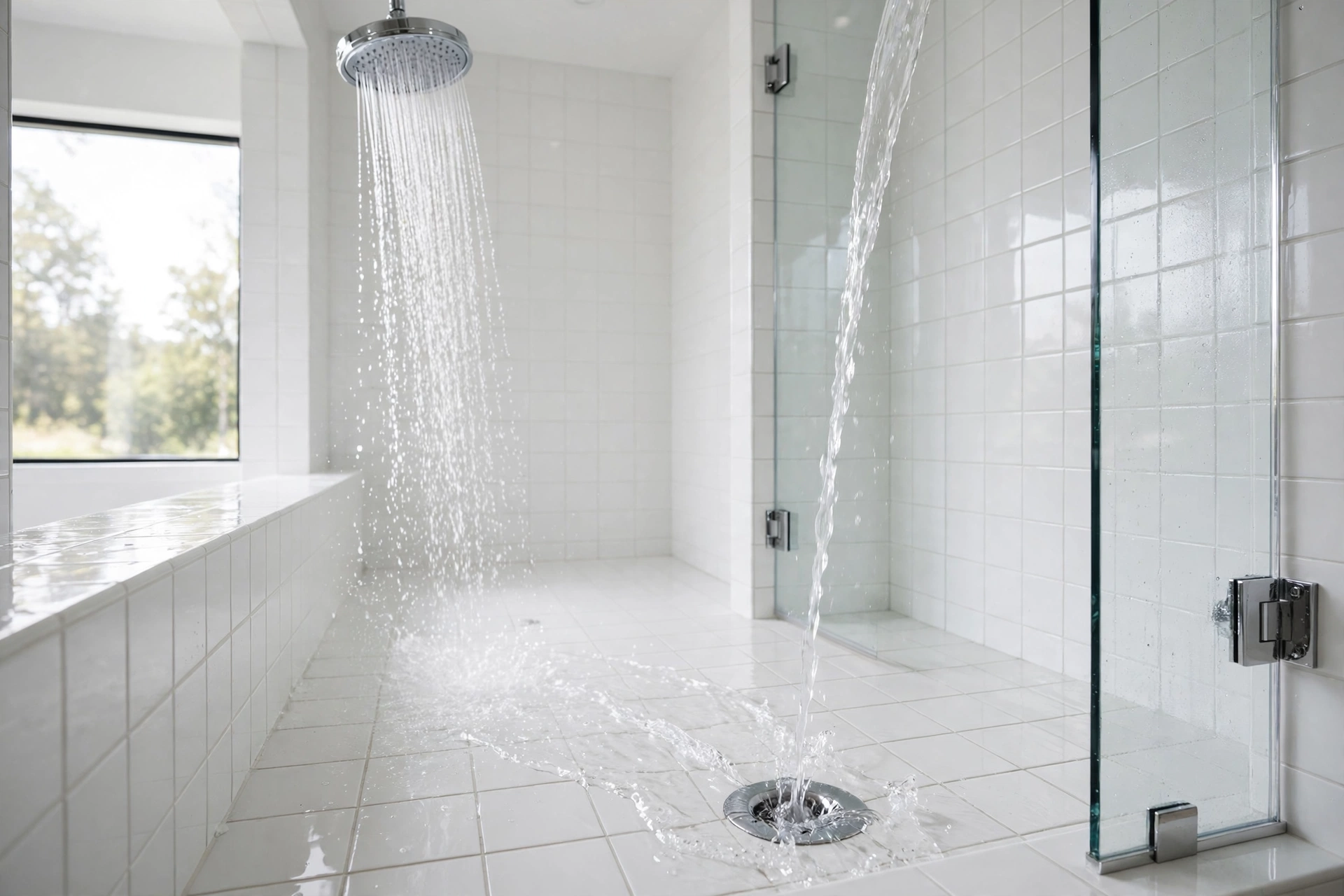
A slow shower drain is one of those small problems that turns into a big one if you ignore it. The water pools around your feet, the shower starts to smell, and eventually nothing drains at all. The good news is that how to clean shower drain is a job you can do yourself in about twenty minutes, with no special skills and nothing more dangerous than baking soda and hot water. Here is how to do it properly, from the easy weekly clean to the deeper fix for a drain that is already slow.
- Most shower drain clogs are hair and soap scum — a drain snake or a simple hook tool removes them in minutes.
- Clean the drain cover and the visible trap weekly; it takes two minutes and prevents most clogs.
- Baking soda and vinegar, followed by hot water, clears soap scum and light buildup.
- Never pour chemical drain cleaner into a shower drain unless you have no other option — it damages pipes and rarely fixes the real clog.
- If the drain is still slow after cleaning, the clog is deeper in the pipe and may need a plumber.
Why Shower Drains Clog
Almost every shower drain clog is the same thing: hair mixed with soap scum. Hair catches on the drain cover and the trap, soap sticks to it, and the lump grows a little with every shower. Shampoo, conditioner, and body wash all leave a waxy residue that binds the hair together into a mat. In hard-water areas, limescale adds to the problem, narrowing the pipe over time. It is not a mystery and it is not your fault — it happens in every household, and the fix is the same every time.
The first sign is always the same: water that takes a few seconds longer to drain, or a small puddle that forms around your feet and then disappears. That is the moment to act. A drain that is slightly slow takes twenty minutes to fix. A drain that has stopped completely can take hours, and may need a professional. If your shower has other problems too, our how to increase shower water pressure guide covers the other common complaint.
The Weekly Clean: Two Minutes That Prevent Clogs
Once a week, lift the drain cover — most pop up with a fingernail or a flat screwdriver — and pull out any hair you can see. A pair of tweezers or an old toothbrush works well for this. Rinse the cover under the tap, wipe the visible part of the drain with a cloth, and put the cover back. That is the whole routine, and it prevents most clogs before they start.
A drain cover with fine holes, or a silicone hair catcher that sits over the drain, catches far more hair than the standard metal grate. They cost a few dollars, they are easy to clean, and they are the single best investment for anyone with long hair in the house. Empty the catcher after every shower — it takes five seconds and it is the difference between a clean drain and a clogged one.
The baking soda and vinegar method
For a drain that is starting to slow down, pour half a cup of baking soda down the drain, followed by half a cup of white vinegar. Let it fizz for 15 minutes — the reaction loosens soap scum and light buildup — then flush it with a kettle of hot (not boiling) water. Do this once a month as maintenance. It will not clear a solid hair clog, but it keeps a clean drain clean, and it freshens the smell too. If the smell is the main problem, our how to get rid of drain flies guide covers the insects that sometimes follow a smelly drain.
Clearing a Slow Drain: The Drain Snake
When the water is already pooling, you need to remove the clog physically. A drain snake — a long, flexible plastic strip with barbs, sold for a few dollars at any hardware store — is the tool for the job. Push it gently into the drain, twist it a few times so the barbs catch the hair, and pull it out slowly. You will be surprised, and slightly horrified, by what comes up. Repeat until the snake comes back clean, then flush with hot water.
Do not force the snake. If it stops, twist gently rather than pushing harder — forcing it can scratch the pipe or push the clog deeper. Wear gloves, because the clog will be unpleasant, and have a plastic bag ready to put it in. Once the water drains freely, run the baking soda and vinegar clean to clear the leftover scum. If your drain keeps clogging despite this, the problem may be further down the pipe, and our how to unclog a shower drain guide covers the deeper fixes, including when to stop and call a professional.
Keeping the Drain Clean Long-Term
Prevention is boring and it works. Use a hair catcher every shower. Clean the cover weekly. Run the baking soda and vinegar flush monthly. Keep conditioner and body wash away from the drain as much as you can — they are the biggest contributors to soap scum. And if your water is hard, a shower filter or a water softener will slow the limescale buildup that narrows pipes over years.
Watch for the warning signs: water that drains slowly, a gurgling sound, a smell that comes back after cleaning, or water appearing in a nearby sink or tub when you shower. Those last two mean the clog is deeper than the shower trap, possibly in a shared pipe, and that is a plumber’s job, not a DIY one. The same goes for recurring mould around the shower — our how to get rid of mould in the shower guide helps, but a drain that keeps backing up will keep the mould coming back until the pipe is fixed.
Frequently Asked Questions
How often should I clean my shower drain?
Remove hair from the drain cover weekly, and flush with baking soda, vinegar, and hot water once a month. A deeper clean with a drain snake is only needed when the water starts draining slowly.
Can I use baking soda and vinegar to unclog a shower drain?
It clears soap scum and light buildup, and it is good monthly maintenance. It will not dissolve a solid hair clog — for that you need a drain snake to pull the hair out physically.
Is it safe to pour boiling water down a shower drain?
Hot water is fine, but boiling water can damage PVC pipes and the seals around the drain. Use water that is hot from the tap or a kettle that has cooled for a minute.
Why does my shower drain smell?
Usually trapped hair and soap scum rotting in the trap. Cleaning the drain and flushing it with baking soda and vinegar usually fixes it. A smell that returns quickly may mean a dry trap or a venting problem, which needs a plumber.
When should I call a plumber for a shower drain?
If the drain is still slow after a snake and a flush, if water backs up into other fixtures, or if the clog keeps coming back within days. Those point to a problem deeper in the pipe.
How to clean shower drain is a twenty-minute job that saves a plumber’s bill: pull the hair out weekly, flush with baking soda and vinegar monthly, and reach for a drain snake when the water slows down. Do that, and the water will keep going where it belongs — down, not around your feet.