
25 Home Office Decor Ideas for Her: Stylish, Cozy and Functional
The best home office decor ideas for her combine personal style with a comfortable, organized workspace. Soft neutral colors, a supportive chair, layered lighting, practical storage, plants, and meaningful artwork can help create an office that feels inviting without sacrificing productivity. Whether you work from a separate room, a bedroom corner, or a compact apartment, you can design a beautiful space that fits your needs and budget.
Your home office does not need to look like a corporate workplace. It can feel feminine, modern, minimalist, colorful, luxurious, or natural. The key is to choose decor that reflects your personality while keeping your desk comfortable, your supplies accessible, and your work area free from unnecessary clutter.
Key Takeaways
- Start with a practical layout, a suitable chair, and a desk that fits your work.
- Use a coordinated palette such as blush pink, cream, sage green, warm beige, or muted lavender.
- Combine natural light with task lighting to make reading and screen work more comfortable.
- Choose storage that keeps daily essentials nearby and less-used items out of sight.
- Personalize the room with art, plants, textiles, and accessories without overcrowding the desk.
- Measure your space before buying furniture, especially for a small home office.

1. Choose a Color Palette That Feels Like You
Color is one of the easiest ways to give your home office a distinct personality. Instead of choosing every accessory separately, begin with two or three main colors and repeat them across the room.
Blush pink and cream create a soft, welcoming look. Beige and warm white feel timeless, while sage green and natural wood create a calmer, nature-inspired space. If you prefer a more dramatic office, combine charcoal accents with warm neutrals or muted jewel tones.
You do not need to paint every wall. A neutral background can be complemented with a colored desk mat, curtains, a lampshade, or artwork. This approach is also helpful for renters who cannot make permanent changes.
2. Invest in a Desk and Chair That Suit Your Work
A beautiful desk may be the focal point of the room, but it should also provide enough space for your computer, notebook, and other daily essentials. Measure the available area before choosing a desk, and check that drawers or cabinet doors can open without blocking the walkway.
Choose a chair that supports a comfortable working posture. Look for adjustable seat height and suitable back support. Your feet should rest comfortably, and your screen should be positioned so you do not have to lean forward or repeatedly bend your neck.
If you love a decorative chair, consider how it will feel during a full workday. Style matters, but comfort and adjustability should guide the final choice.
3. Create a Feminine Home Office With Subtle Details
A feminine home office does not have to be entirely pink or filled with decorative accessories. It can be defined by thoughtful details, soft textures, elegant shapes, and a palette that feels personal to you.
- Choose a curved desk lamp or a simple sculptural vase.
- Add a soft-colored desk mat or fabric storage boxes.
- Display a few favorite photographs or prints in matching frames.
- Use brass, brushed gold, or matte finishes sparingly for contrast.
- Keep frequently used items coordinated and easy to reach.
The goal is a workspace that feels intentional, not overly decorated. Choose pieces you genuinely like instead of following every trend.
4. Use Lighting to Make the Office Feel Brighter
Good lighting makes your workspace easier to use and can improve the overall atmosphere of the room. Place your desk near a window when practical, but position the monitor to reduce direct glare and distracting reflections.
Combine ambient lighting with a task lamp for focused work. A desk lamp with adjustable positioning can help direct light onto paperwork without shining straight into your eyes. If you work after sunset, use lighting that feels comfortable for your eyes and suits the tasks you perform.
Decorative lighting can add character, but keep cords secured and away from walking paths. Make sure lamps do not crowd the desk or interfere with computer equipment.
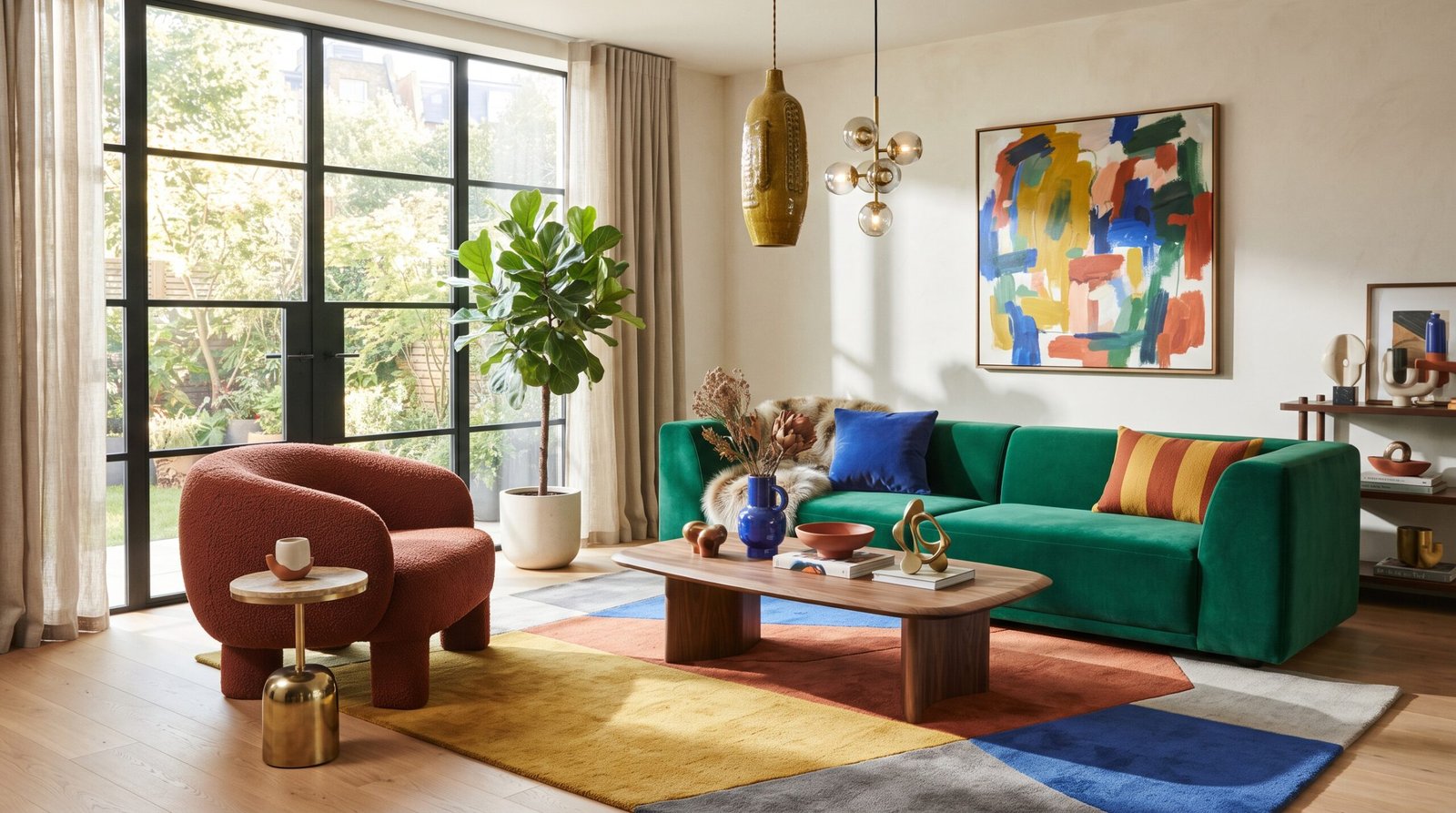
5. Decorate Your Desk Without Losing Workspace
Your desk should support your work first. Too many accessories can reduce usable space and make it harder to concentrate on the task in front of you.
Choose a small number of decorative items, such as a desk lamp, a pen holder, a coaster, or a compact vase. Use a desk organizer to keep stationery together and a tray to group smaller objects.
Leave a clear area for writing or moving your mouse. If you work with multiple screens, check that decorative objects do not interfere with your viewing angle or create distracting reflections.
6. Add Wall Art That Inspires You
Wall art can make a home office feel personal and give the room a focal point. Options include abstract prints, botanical illustrations, typography, photography, or artwork connected to your interests.
A coordinated gallery wall can work well behind a desk, but you can also choose one larger print for a cleaner look. Repeat colors from the artwork in a cushion, rug, or desk accessory to connect the design.
Hang frames securely and avoid placing heavy objects where they could fall onto your desk. If you frequently use video calls, consider how the artwork appears in the background without revealing private information.
7. Bring Nature Into Your Workspace
Plants add color and texture to a home office. A small pothos, a suitable succulent, or another plant that matches your room’s light conditions can be an attractive addition. If live plants are not practical, a good-quality artificial plant can provide a similar decorative effect.
Choose plant placement carefully. Keep pots away from electronics, paperwork, and places where they could be knocked over. Check the light and watering requirements of live plants rather than assuming every plant will thrive beside a desk.
Natural materials such as wood, woven baskets, linen, and cotton can also soften a workspace. A few carefully selected textures often look more refined than a large collection of unrelated accessories.
8. Make Smart Storage Part of the Design
Storage can be attractive as well as useful. Matching boxes, a compact filing cabinet, drawer dividers, and a small bookshelf can keep your supplies organized while maintaining the room’s style.
Store daily essentials close to your desk and move rarely used items to a shelf or cabinet. Label boxes if you regularly handle documents, craft supplies, business materials, or household paperwork.
For a small office, use vertical space with suitable shelves or wall organizers. Check the wall construction and use appropriate fixings for the intended load. Keep frequently accessed items at a comfortable height and avoid placing heavy objects where they could fall.
9. Design a Small Home Office in a Bedroom
A bedroom office can work well when you do not have a separate room. The key is to define a clear work zone while preserving the bedroom’s relaxing purpose.
Choose a desk that fits the available wall, use a slim drawer unit, and select a chair that can be moved or tucked away when work is finished. A small rug, wall art, or a different lighting arrangement can visually distinguish the office corner from the sleeping area.
Keep work materials organized at the end of the day. A closed cabinet or attractive storage box can help prevent the office from visually taking over the room.
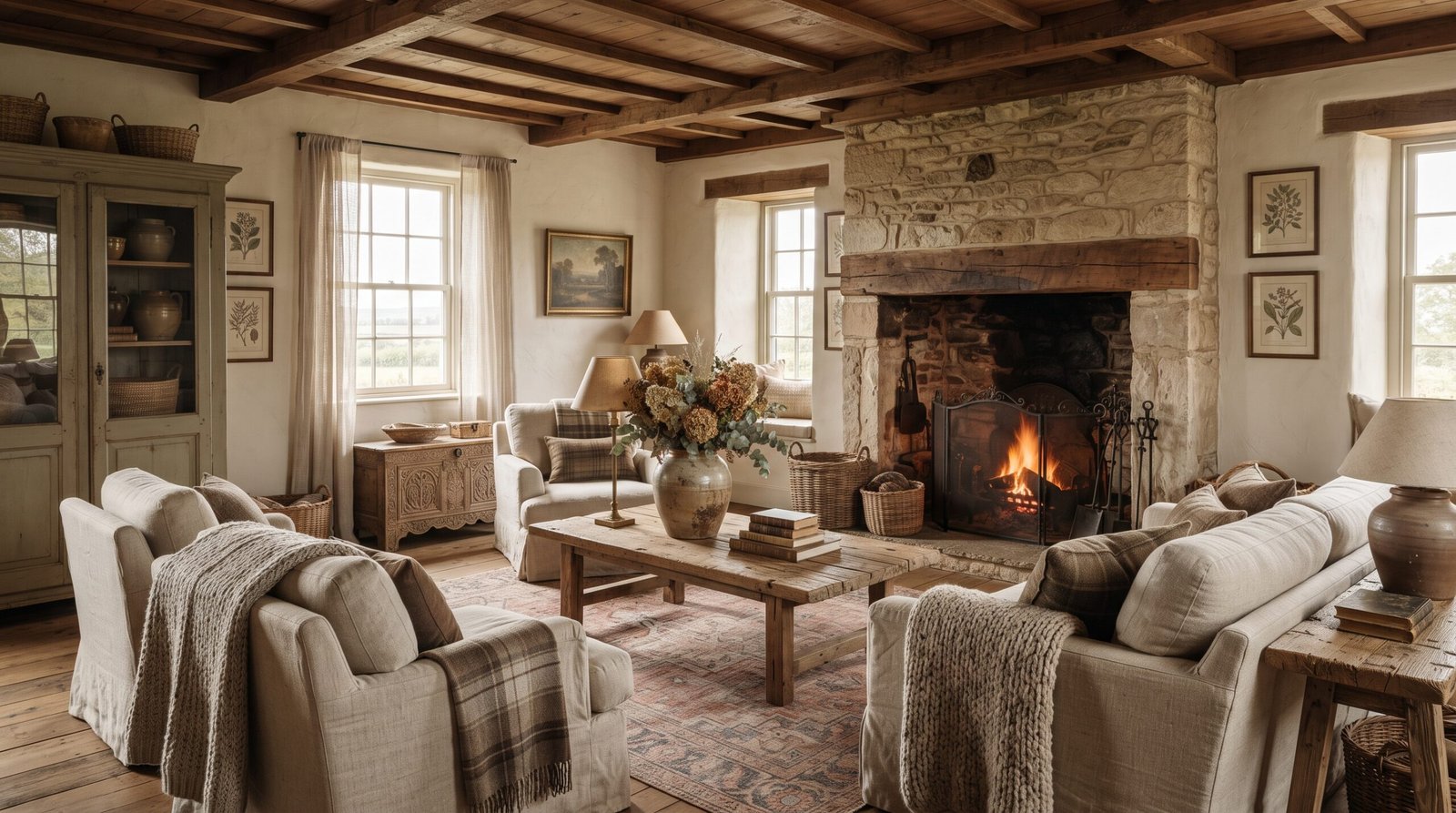
10. Use a Bookshelf to Combine Storage and Style
A bookshelf provides a place for reference books, notebooks, folders, and decorative objects. For a coordinated look, arrange books by category or size and leave some open space between groups.
Use baskets or matching boxes on lower shelves to hide small supplies. A framed print or a small decorative object can break up rows of books without making the shelves feel crowded.
Anchor tall bookcases according to the manufacturer’s instructions, especially in homes with children or pets. Avoid overloading shelves and keep heavy items on lower levels where appropriate.
11. Add a Rug and Soft Textures
A rug can visually define the office area, especially in a bedroom or shared living space. Choose a size that works with your desk and chair, and make sure the chair can move without catching on thick edges.
A low-pile rug may be easier to use with rolling office chairs than a thick, fluffy option. If the rug slides on the floor, use a suitable nonslip underlay. Avoid curled edges that could create a trip hazard.
Textiles such as curtains, a small cushion on a visitor chair, or a fabric noticeboard can introduce softness. Keep fabrics away from hot lamps and equipment vents.
12. Create an Elegant Home Office on a Budget
You do not need to replace all your furniture to make a workspace look polished. Start by decluttering, cleaning the desk, organizing cables, and choosing a consistent color scheme.
- Reuse storage boxes and refresh them with matching labels.
- Rearrange existing furniture to improve light and movement.
- Print affordable artwork and use simple frames.
- Choose one statement accessory instead of several small purchases.
- Use a desk organizer to group stationery and chargers.
- Upgrade lighting or seating when it will meaningfully improve daily comfort.
Make a list of what the office is missing before shopping. A planned purchase is more likely to solve a real problem than an impulse buy.
13. Try a Minimalist Home Office Look
Minimalist design works well when you want a calm-looking desk and fewer distractions. Start with a simple desk, one comfortable chair, closed storage, and a limited color palette.
Keep only the items you use regularly on the desktop. Store cables neatly and choose accessories that serve a clear purpose. You can still display art, plants, or personal objects; the difference is that each item has room to stand out.
Minimalism should not mean removing things you need. Keep your essential work tools accessible and organize the rest in a way that matches your routine.
14. Choose the Right Home Office Style for Your Personality
Use this quick comparison to find a design direction that suits your taste, room, and budget.
| Style | Color palette | Best decor choices | Works well for |
|---|---|---|---|
| Soft feminine | Blush, cream, beige | Curved accessories, gentle textures, framed prints | A warm and personal workspace |
| Modern minimalist | White, gray, black accents | Clean lines, closed storage, simple lighting | A streamlined desk setup |
| Natural and calm | Sage, warm wood, off-white | Plants, woven baskets, natural textures | A nature-inspired office |
| Luxury-inspired | Warm neutrals, muted rose, gold accents | Coordinated finishes, statement lamp, quality textiles | A polished and elegant room |
| Creative and colorful | Personal favorite colors | Art prints, colorful organizers, inspiration board | Creative projects and personal expression |
15. Make Your Video Call Background Look Professional
If you regularly attend online meetings, plan the area behind your chair as part of the design. A clean wall, a small bookshelf, or a restrained arrangement of framed art can create a professional background without making the room feel formal.
Check the background from your webcam rather than judging it only in person. Avoid bright windows directly behind you if they make your face appear too dark. Keep private documents, personal photographs, and sensitive work information out of view.
Good audio and lighting matter more than an expensive backdrop. Keep the camera at a comfortable height and arrange your desk so you can look toward the screen naturally.
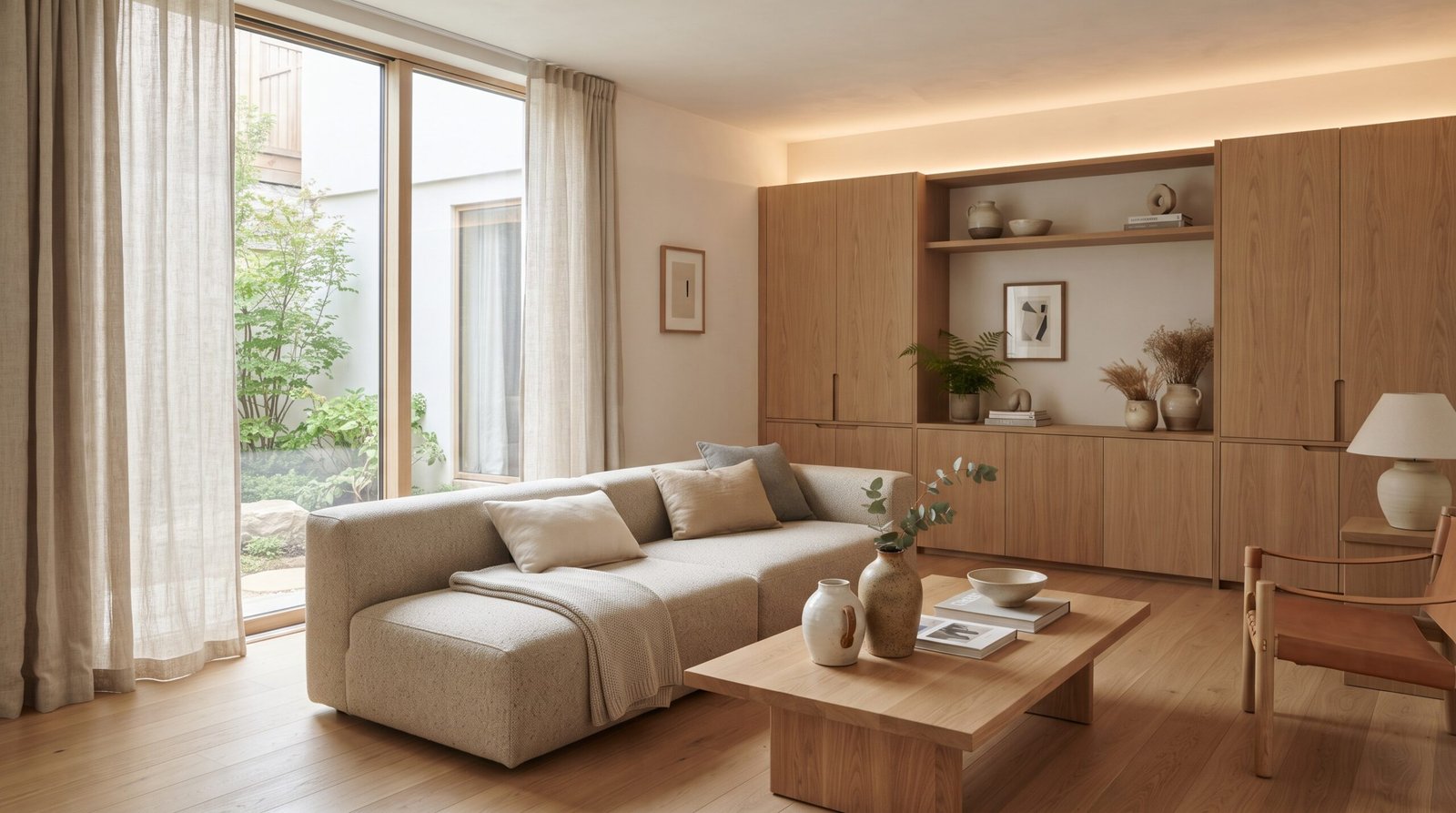
16. Organize Cables and Everyday Technology
Visible cables can make even a beautiful office look untidy. Use suitable cable clips, sleeves, or an under-desk cable tray to keep wires grouped and away from your feet.
Make sure cables are not stretched tightly, pinched by furniture, or routed where a chair can roll over them. Keep electrical connections accessible and follow the instructions supplied with your devices. Avoid overloading power strips.
Use a docking station or a dedicated charging area if you work with multiple devices. Store chargers you rarely use in a labeled box rather than leaving them scattered across the desk.
17. Add a Vision Board or Inspiration Wall
An inspiration wall can make a home office feel personal and help you keep meaningful goals visible. It might include project milestones, favorite quotes, color swatches, sketches, or a calendar of upcoming deadlines.
Choose a noticeboard, magnetic board, or a few removable wall strips suitable for your surface. Arrange the contents with some spacing so the display remains easy to scan.
Keep the board useful rather than filling it with so many items that it becomes visual clutter. Review it occasionally and remove notes that are no longer relevant.
18. Create a Separate Reading or Planning Corner
If you have extra room, a compact reading chair or small side table can create a place for reviewing documents, planning projects, or taking a short break from your main desk.
Choose furniture that fits the available floor area and does not block the main route through the room. A floor lamp, small shelf, or cushion in a matching color can connect the corner to the rest of the office.
In a small space, a comfortable chair that serves more than one purpose may be a better choice than adding another large piece of furniture.
19. Keep Your Home Office Comfortable and Ergonomic
A stylish workspace should also support comfortable working habits. Arrange your monitor, keyboard, mouse, chair, and lighting to suit your body and the tasks you perform. Avoid positions that force you to reach repeatedly, twist your neck, or lean forward for long periods.
Take regular movement breaks and adjust your setup if you notice discomfort. If you work for long hours, a suitable chair and desk arrangement are generally more useful than decorative upgrades alone.
For general workplace ergonomics guidance, consult the U.S. Occupational Safety and Health Administration’s computer workstation eTool. Adapt recommendations to your own circumstances and seek professional advice if you have persistent discomfort.
20. Make the Space Easy to Maintain
The easiest home office to enjoy is one that does not require constant tidying. Give everyday items a permanent home, keep a small wastebasket nearby, and avoid using the desk as a general household storage surface.
At the end of the workday, put away loose papers, return stationery to its organizer, and clear enough desk space for the next morning. Once a week, review supplies, wipe surfaces according to their care instructions, and remove items that no longer belong in the room.
A simple reset routine protects the look of the room and makes it easier to start work without first clearing a pile of clutter.
How to Decorate Your Home Office Step by Step
- Measure your room: Note the wall lengths, window position, outlets, door swing, and available floor space.
- List your daily needs: Decide what equipment, documents, and supplies you use most often.
- Choose a style: Select a main color palette and one overall design direction.
- Plan the desk area: Prioritize a suitable chair, comfortable screen position, and task lighting.
- Add storage: Choose drawers, shelves, boxes, or organizers based on what you actually need to store.
- Personalize carefully: Add artwork, plants, and textiles while preserving useful work space.
- Review the setup: Check cable safety, walking space, lighting, and how the office feels during a typical workday.
Frequently Asked Questions About Home Office Decor Ideas for Her
How can I make my home office look feminine and elegant?
Use a coordinated palette such as blush, cream, beige, or muted rose, then add a few elegant details like framed artwork, soft textures, and a stylish desk lamp. Keep the workspace practical and uncluttered.
What are the best colors for a woman’s home office?
Popular options include blush pink, warm white, beige, sage green, muted lavender, and soft gray. Choose colors that suit your taste, lighting, furniture, and the atmosphere you want to create.
How do I decorate a small home office for her?
Choose a compact desk, vertical storage, a suitable chair, and a limited color palette. Use a mirror or light colors where helpful, and avoid filling every surface with accessories.
How can I decorate my home office on a budget?
Declutter first, rearrange existing furniture, organize cables, reuse storage, and add affordable prints or a desk organizer. Prioritize comfort and useful improvements before decorative purchases.
How do I make my home office look expensive?
Use a consistent palette, tidy cables, coordinated storage, good lighting, and a few well-chosen accessories. Clean surfaces and a thoughtful layout can make a room look polished without costly furniture.
What should I put on my home office desk?
Keep your computer, essential stationery, task lamp if needed, and a small number of personal accessories. Store items you rarely use in drawers or nearby storage.
How can I create a home office in my bedroom?
Use a desk that fits the room, define the work zone with lighting or a small rug, and store supplies out of sight when the workday ends. Keep pathways and access to the bed clear.
Are plants good for a home office?
Plants can add natural color and texture. Choose varieties suited to your room’s light and temperature, and place them safely away from electronics and work surfaces where water could cause damage.
How do I create a professional background for video calls?
Use a tidy wall, restrained artwork, or an organized bookshelf. Check the view through your camera, reduce distracting glare, and keep private documents out of the frame.
What is the most important part of a home office design?
A functional layout is the foundation. A suitable desk and chair, comfortable lighting, accessible storage, and safe cable management should come before decorative finishing touches.
About This Guide
This guide focuses on practical home office design, including color coordination, furniture placement, storage, lighting, and personal styling. The recommendations are general design guidance; the right layout depends on your room, work habits, budget, and individual comfort needs.
For stronger editorial trust, publish this article with your real author name and a genuine author profile. Add relevant design experience or qualifications only if they can be verified. Review the recommendations against your own experience and update the article when relevant advice changes.
Create a Home Office That Inspires You
Your home office should be a space where your personality and your daily routine work together. Begin with a practical layout, choose colors you love, improve lighting, and add personal details gradually. You can create a beautiful workspace without spending a fortune or sacrificing comfort.
Explore more ideas to make every room feel more like home.
Explore Home Decor Ideas