
25 Interior Home Decor Ideas to Make Every Room Feel Beautiful
The best interior home decor ideas combine a practical layout, a balanced color palette, comfortable furniture, thoughtful lighting, and personal details. You can refresh a living room, bedroom, kitchen, or small apartment without completely renovating your home. Start with what you already own, identify what the room needs, and introduce changes that improve both appearance and everyday comfort.
A beautiful interior is not defined by expensive furniture or the latest trend. It comes from making colors, textures, lighting, and furniture work together. These ideas will help you create a cohesive home that reflects your personality, fits your budget, and feels welcoming throughout the year.
Key Takeaways
- Choose a consistent color palette before buying new decor.
- Arrange furniture around movement, comfort, and the way each room is used.
- Combine natural light, ambient lighting, and task lighting.
- Mix textures and materials to make neutral rooms feel warm and interesting.
- Use mirrors, vertical storage, and appropriately sized furniture in small spaces.
- Personalize your home with artwork, plants, textiles, and meaningful objects.
- Prioritize practical improvements before spending on decorative accessories.
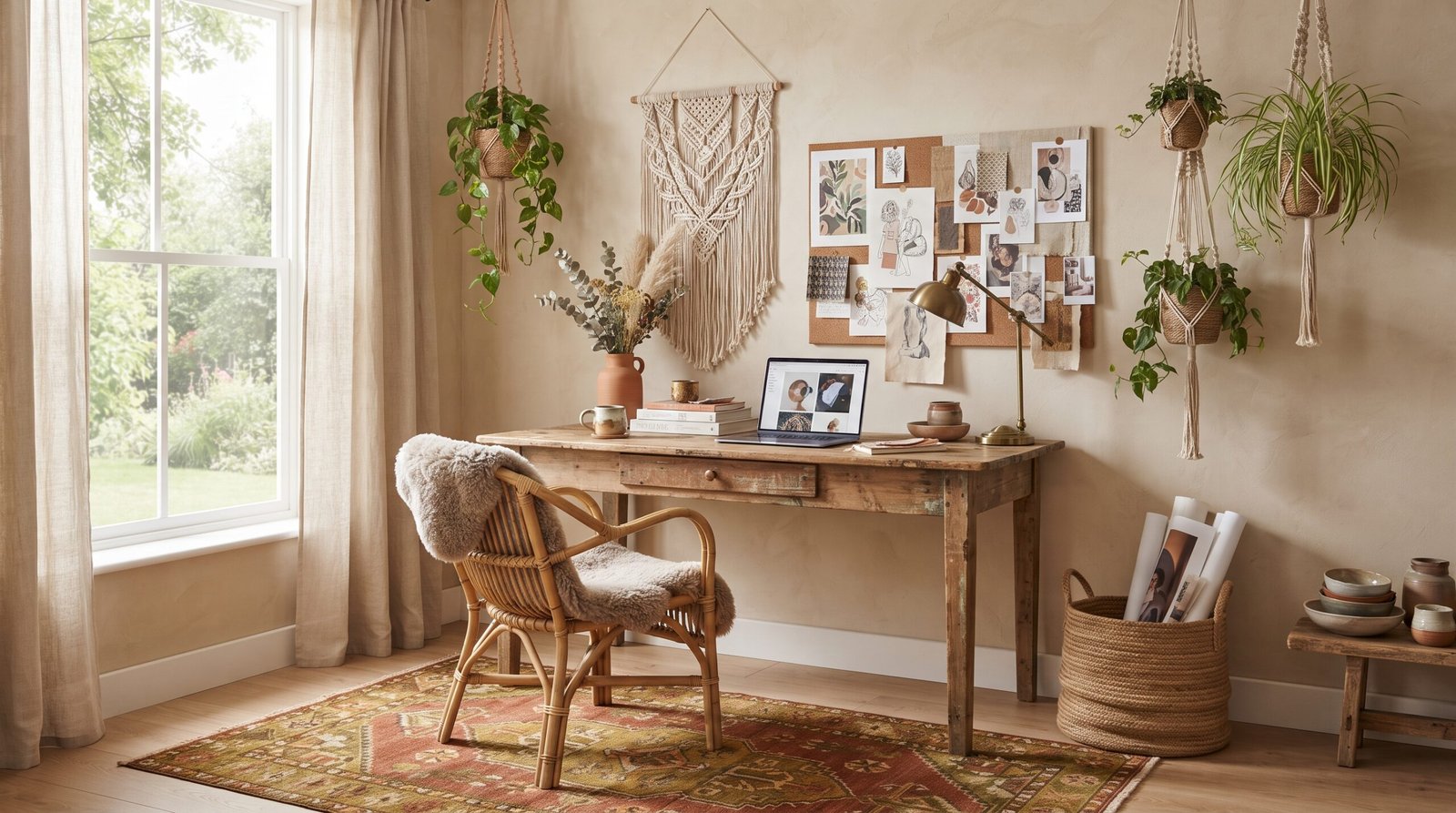
1. Start With a Clear Interior Design Style
Before decorating, decide how you want your home to feel. Modern, minimalist, Scandinavian, traditional, farmhouse, and bohemian styles each use different combinations of furniture, color, and materials.
You do not have to follow one style strictly. A contemporary sofa can work with a vintage table, and a modern room can feel warmer with natural wood and woven accessories. The important thing is to create a connection between the pieces rather than buying items that compete for attention.
Collect a few reference images, identify the colors and materials they share, and use those as your starting point. This simple step can help you avoid expensive purchases that do not fit the room.
2. Choose a Color Palette That Connects the Rooms
Color is one of the most effective tools for creating a coordinated home. Choose a main neutral, a supporting color, and one or two accent colors. Repeat them in different ways across rooms to create continuity without making every space look identical.
Warm white, beige, and cream create a soft foundation. Sage green and muted blue introduce color without overwhelming a room, while terracotta, mustard, or deep green can provide contrast. Consider how daylight and artificial lighting change the appearance of each color.
Test paint samples on the wall and view them at different times of day before committing. A color that looks soft in bright daylight may appear much darker under warm evening lighting.
3. Arrange Furniture for Comfort and Flow
Furniture placement affects how a room looks and how easily people can move through it. Start by identifying the main activity in the room, such as conversation, watching television, dining, reading, or working.
Place the largest furniture pieces first, then add smaller items around them. Keep entrances and natural walking routes clear. In a living room, arrange seating so people can comfortably talk without having to shout across the space.
Measure your room and furniture before buying anything new. A piece that looks elegant in a showroom may dominate a compact room, while furniture that is too small can make a large space feel unfinished.
4. Layer Lighting for a Warm and Useful Interior
Lighting should support the activity taking place in each room. Instead of relying on a single ceiling light, combine several light sources to create a more flexible atmosphere.
- Ambient lighting: Provides general illumination for the room.
- Task lighting: Helps with reading, cooking, working, and other focused activities.
- Accent lighting: Highlights artwork, shelves, architectural details, or decorative objects.
Use table lamps, floor lamps, wall lights, and suitable ceiling fixtures to build layers. Choose bulbs based on the room’s needs and check that the brightness and color temperature feel comfortable. Keep electrical cables tidy and follow product installation instructions.

5. Mix Textures to Make a Room Feel Complete
A room can feel flat when every surface has the same finish. Texture introduces depth, even when the color palette is simple.
Combine smooth wood, soft upholstery, woven baskets, linen curtains, ceramic accessories, and a textured rug. In a neutral room, these materials create visual interest without requiring many bright colors.
Try to balance rough and smooth finishes. If your furniture has clean, hard lines, softer textiles can make the room feel more comfortable. If you already have patterned upholstery, keep other surfaces simpler to prevent visual overload.
6. Refresh Your Living Room With a Strong Focal Point
A focal point gives the living room a clear visual center. It might be a fireplace, a large piece of artwork, a feature wall, a view through the window, or the main seating arrangement.
Arrange furniture to support the focal point instead of competing with it. Use cushions, a throw, a rug, and a coffee table to connect the seating area. Choose accessories in colors that repeat elements already present in the room.
Avoid filling every surface with ornaments. Leave enough empty space on shelves and tables so the most meaningful pieces can stand out.
7. Make the Bedroom Feel Calm and Restful
Bedroom decor works best when comfort is the priority. Choose bedding that feels good against the skin, a palette you find relaxing, and bedside lighting that suits reading or winding down.
Layering different textiles can make the bed feel inviting. Combine sheets, a duvet or comforter, pillows, and a throw without using so many layers that the bed becomes difficult to maintain.
Use bedside tables or wall-mounted shelves to keep everyday essentials accessible. If the room is small, consider under-bed storage or a wardrobe organizer rather than adding several bulky cabinets.
8. Give a Small Room More Visual Space
Small rooms benefit from thoughtful furniture sizes, clear surfaces, and storage that uses vertical space. Light colors can help a room feel brighter, especially when natural light is limited, but contrast can still be used through carefully selected accessories.
Mirrors can reflect light and create a greater sense of depth when placed thoughtfully. Choose furniture with visible legs or a lighter visual profile if it suits your style, and avoid blocking windows with large pieces.
Keep the floor and main walking routes as clear as possible. In compact homes, furniture that serves more than one purpose can be particularly useful.
9. Decorate Your Walls With Purpose
Wall decor can add personality and help connect a room’s colors. Options include framed prints, family photographs, mirrors, textile art, or a carefully chosen statement piece.
For a gallery wall, plan the arrangement on the floor before hanging the frames. Use consistent spacing or a shared color palette to create a unified look. If you prefer a simpler style, one large artwork may have more impact than a crowded collection.
Use appropriate fixings for the wall type and the weight of the object. Avoid placing heavy frames above seating or sleeping areas unless they are securely installed for that location.
10. Bring Natural Elements Into Your Home
Natural materials can make interiors feel warmer and more connected to the outdoors. Wood, stone, cotton, linen, rattan, and woven fibers add variety without relying on bold patterns.
Indoor plants can introduce color and shape. Choose plants that match the light and temperature conditions of your home, and place them where they will not obstruct walkways or be easily knocked over.
If live plants do not suit your schedule, natural textures can still create a similar design effect. A wooden tray, woven basket, or linen cushion can add warmth with very little maintenance.

11. Make Storage Part of the Design
Good storage helps your home look organized without making it feel sterile. Choose cabinets, baskets, shelves, and drawer organizers that suit both the room’s style and the items you need to store.
Keep frequently used objects easy to reach and put less-used items away. In living rooms, closed storage can hide remote controls, cables, toys, and miscellaneous household items. In bedrooms, drawer dividers and wardrobe organizers make better use of existing space.
Use baskets for loose items, but avoid treating them as permanent hiding places for clutter. Review stored belongings regularly and remove anything you no longer need.
12. Update the Kitchen With Small, Useful Changes
A kitchen refresh does not always require replacing cabinets or countertops. New cabinet handles, a coordinated backsplash accessory, a practical runner, or better task lighting can change the room’s appearance.
Keep countertops as clear as your routine allows. Display items you use regularly, such as a kettle or a utensil container, and store less-used appliances in cabinets when practical.
Choose washable materials for surfaces exposed to food, steam, and splashes. Keep textiles and decorative objects away from burners and other heat sources, and follow product instructions for cleaning and installation.
13. Create a Welcoming Entryway
The entryway sets the tone for the rest of the home. A mirror, a compact console, a tray for keys, and a suitable shoe-storage solution can make the area both attractive and useful.
If the entry is narrow, choose shallow furniture and keep the walking route clear. Wall hooks can hold everyday bags and coats, while a small washable mat helps collect dirt near the door.
One piece of art or a small arrangement can add character without filling the space. Make sure furniture and decor do not block doors, exits, or access to electrical panels.
14. Style Shelves Without Making Them Look Cluttered
Shelves are more appealing when objects are arranged with some breathing room. Mix books with a few decorative pieces, vary the height of objects, and repeat colors to connect the display.
Try grouping items in small collections rather than spreading many unrelated objects across the entire shelf. Leave some open space between groups so the arrangement feels intentional.
For open shelving in kitchens or bathrooms, consider dust, moisture, and how often the items need cleaning. Use secure brackets and respect the shelf’s load limits.
15. Add a Rug That Fits the Room
A rug can anchor furniture, introduce color, and make a room feel more complete. The right size depends on the furniture arrangement and the dimensions of the space.
In a living room, a rug can connect the seating area when the front legs of the main furniture pieces sit on it. In a bedroom, a rug beside or partly under the bed can add softness underfoot. Always check the manufacturer’s care instructions and choose a material suited to the room’s traffic.
Use a suitable nonslip underlay where needed. Avoid curled edges or rugs that move easily, especially in busy walkways.
16. Decorate on a Budget Without Sacrificing Style
Budget-friendly interior decorating begins with using what you already have. Rearranging furniture, removing visual clutter, cleaning surfaces, and moving accessories between rooms can make a noticeable difference.
- Refresh cushions or throws instead of replacing an entire sofa.
- Repaint a suitable wall or an old piece of furniture.
- Use matching storage boxes to create a coordinated appearance.
- Frame affordable prints or photographs that you genuinely enjoy.
- Change the placement of lamps and mirrors to improve the room’s light.
- Invest in durable essentials before buying trend-based accessories.
Set a budget for each room and list the changes that will make the biggest practical difference. This helps you avoid spending money on decorative items while overlooking problems such as poor lighting or insufficient storage.
17. Compare Popular Interior Home Decor Styles
Different design styles can suit different homes and lifestyles. Use this table as a starting point rather than a strict set of rules.
| Style | Common colors | Typical materials | Best suited for |
|---|---|---|---|
| Modern | Neutrals with contrast | Metal, glass, clean-lined wood | Simple, streamlined interiors |
| Minimalist | White, beige, soft gray | Simple finishes and limited accessories | Clutter-conscious spaces |
| Scandinavian-inspired | Light neutrals and muted colors | Light wood, textiles, natural materials | Bright, functional rooms |
| Bohemian | Earth tones and mixed accents | Woven fibers, layered textiles, wood | Personal and collected interiors |
| Traditional | Rich neutrals and deeper tones | Wood, patterned fabrics, classic details | Timeless, formal or layered rooms |
| Natural contemporary | Sage, cream, warm brown | Wood, stone, linen, greenery | Warm, relaxed interiors |
18. Use Curtains to Finish a Room
Curtains can soften a room, frame windows, and help connect the color palette. Choose a fabric weight that suits the room’s needs: lightweight fabrics allow more daylight through, while lined curtains can provide greater privacy and light control.
Measure carefully before purchasing. Consider the curtain track or rod, the desired fullness, and how far the fabric will extend when open. In smaller rooms, curtains hung appropriately above the window can create a taller visual impression.
Keep fabric away from heaters, open flames, and other heat sources. Follow the manufacturer’s cleaning instructions to maintain the material.
19. Personalize Your Home With Meaningful Objects
Personal details help make a home feel lived in rather than staged. Display a favorite photograph, a handmade object, a travel souvenir, a book collection, or a piece of art that has personal meaning.
Choose a few items that tell a story instead of displaying everything at once. Rotating accessories seasonally or when you want a change can keep the room fresh without creating unnecessary clutter.
Personalization does not have to follow a specific trend. The best decor reflects the people who live in the home and supports how they use each space.

20. Refresh Your Bathroom With Simple Decor
Bathroom decor should balance appearance with moisture resistance and easy cleaning. Coordinated towels, a suitable mirror, a simple tray, and practical storage can create a more finished look without crowding the countertop.
Choose materials designed for humid conditions and avoid placing decorative items where they can fall into the sink or obstruct everyday use. Store toiletries in drawers or containers when possible to reduce visual clutter.
Good lighting around the mirror is useful for grooming tasks. Any electrical work in a bathroom should comply with local requirements and be handled by a qualified professional when necessary.
21. Create a Cohesive Open-Plan Living Space
Open-plan rooms often combine cooking, dining, relaxing, and working in one area. Create visual zones with furniture arrangement, rugs, lighting, or changes in color while keeping the overall palette connected.
A dining table can define the eating area, while a sofa and rug anchor the living zone. Use similar wood finishes or repeat accent colors across the different areas to help the space feel unified.
Leave enough space to move between zones and consider noise, lighting, and storage needs. Decorative screens or open shelving can create separation where appropriate without completely closing off the room.
22. Make Seasonal Changes Without Redecorating Everything
Small seasonal changes can refresh your home without replacing major furniture. Swap cushion covers, introduce a different throw, change a centerpiece, or rotate a few decorative objects.
In warmer months, lightweight textiles and fresh colors may suit your preferences. During colder months, richer tones and heavier textures can make a room feel cozier. These are flexible styling choices rather than rules; choose what works for your climate and comfort.
Store seasonal items in labeled containers so they remain easy to find. Keep the base decor versatile enough that you do not need to change everything when the season changes.
23. Avoid Common Interior Decorating Mistakes
Even attractive pieces can look out of place when the room lacks balance. Avoid these common problems:
- Buying furniture before measuring: Check dimensions, access routes, and door clearance first.
- Using too many colors: Repeat a small palette to create cohesion.
- Ignoring lighting: Include suitable light for both atmosphere and practical tasks.
- Overcrowding shelves: Leave breathing room between decorative objects.
- Choosing style over comfort: Make sure seating and everyday furniture work for their purpose.
- Following every trend: Keep lasting pieces neutral or personal, then use small accessories for trends.
- Forgetting maintenance: Choose finishes and fabrics that suit your household and cleaning routine.
24. Plan Your Decor Before You Shop
A simple plan makes interior decorating easier. Begin by identifying the room’s biggest problem: lack of storage, poor lighting, awkward furniture placement, or a color scheme that no longer feels right.
Next, decide which changes will solve that problem. Create a short shopping list, measure the space, and set a realistic budget. Compare products by dimensions, materials, cleaning requirements, and suitability instead of appearance alone.
Complete one room or one clear zone at a time. This allows you to see how each change works before investing in more items, and it reduces the risk of creating a collection of decor that does not fit together.
25. Maintain a Home That Looks Good Every Day
Beautiful interiors are easier to enjoy when everyday organization is manageable. Give commonly used items a place, return them after use, and avoid allowing countertops or tables to become permanent storage areas.
A short daily reset can include straightening cushions, clearing the dining table, putting away loose items, and returning accessories to their usual places. A weekly check can focus on dusting, plant care, and reviewing clutter.
The aim is not to keep your home perfect at all times. It is to create systems that make your space comfortable, practical, and easy to maintain.
How to Decorate Your Home Step by Step
- Assess the room: Identify what works and what needs improvement.
- Measure everything: Record room dimensions, furniture sizes, windows, doors, and walkways.
- Choose your palette: Select a main neutral, a supporting shade, and a few accents.
- Plan the layout: Place large furniture first and preserve comfortable movement.
- Improve lighting: Combine ambient, task, and accent lighting where appropriate.
- Organize storage: Give everyday objects a practical home.
- Add finishing touches: Use art, plants, rugs, curtains, and personal accessories thoughtfully.
- Review and adjust: Live with the arrangement before deciding what else to buy.
Frequently Asked Questions About Interior Home Decor Ideas
How can I decorate my home on a small budget?
Start by decluttering, rearranging furniture, and using items you already own. Add affordable artwork, coordinated textiles, practical storage, or updated lighting before replacing large pieces of furniture.
What are the most popular interior home decor styles?
Popular styles include modern, minimalist, Scandinavian-inspired, traditional, farmhouse, and bohemian interiors. You can combine elements from different styles when they share a coherent palette and overall feel.
How do I make a small room look bigger?
Use appropriately sized furniture, keep walking routes clear, add vertical storage, and make good use of natural light. Mirrors and lighter colors can also help create a greater sense of openness.
Which colors make a home look elegant?
Warm white, beige, cream, soft gray, sage green, and muted earth tones can create an elegant foundation. Balance them with suitable contrast, texture, and lighting.
How do I make my living room feel cozy?
Use comfortable seating, layered lighting, soft textiles, a suitable rug, and a few personal accessories. Arrange furniture to encourage conversation and leave enough room to move easily.
How can I make my home decor look cohesive?
Repeat a small color palette, use complementary materials, and choose furniture that suits the scale of each room. The rooms do not need to look identical; they should share a few visual connections.
What is the easiest way to refresh a room?
Declutter, change the furniture arrangement, improve lighting, and update a few textiles or decorative accents. Small, targeted changes can refresh a room without a full renovation.
How should I choose wall art for my home?
Choose artwork that suits the room’s scale and complements its colors. One larger piece or a well-planned gallery wall can create a focal point without making the room feel crowded.
How do I decorate an open-plan home?
Define living, dining, and other zones through furniture placement, rugs, and lighting. Repeat colors and materials across the space to maintain a connected look.
Should I follow the latest interior design trends?
Use trends as inspiration rather than strict rules. Keep expensive or long-lasting pieces suited to your needs, then experiment with affordable accessories that can be changed easily.
About This Guide
This guide offers practical interior decorating ideas for living rooms, bedrooms, kitchens, bathrooms, and small homes. It focuses on layout, color coordination, lighting, storage, materials, and everyday usability rather than promoting a specific product or style.
For stronger editorial trust, publish this article with a real author name and a genuine author profile. Include relevant design experience or qualifications only when they can be verified. Adapt recommendations to your home’s dimensions, materials, local safety requirements, and household needs.
Make Your Home Feel More Like You
The best interior home decor ideas are the ones that improve the way you live in your space. Start with a clear plan, choose colors and furniture that work together, and add personal details gradually. A welcoming home does not require a complete renovation; thoughtful changes can make a meaningful difference.
Explore more inspiration and discover ideas for your next home refresh.
Explore Home Decor Ideas
5 thoughts on “Interior Home Decor Ideas”