
The Hometrotters.com Home Decor Ideas: A Practical Guide to a Beautiful Home
Looking for The Hometrotters.com home decor ideas? The best approach is to combine inspiration with practical choices: comfortable furniture, balanced colors, useful lighting, thoughtful storage, and personal details. Whether you are decorating a small apartment, refreshing a living room, or creating a peaceful bedroom, you can build a stylish home without replacing everything or spending beyond your budget.
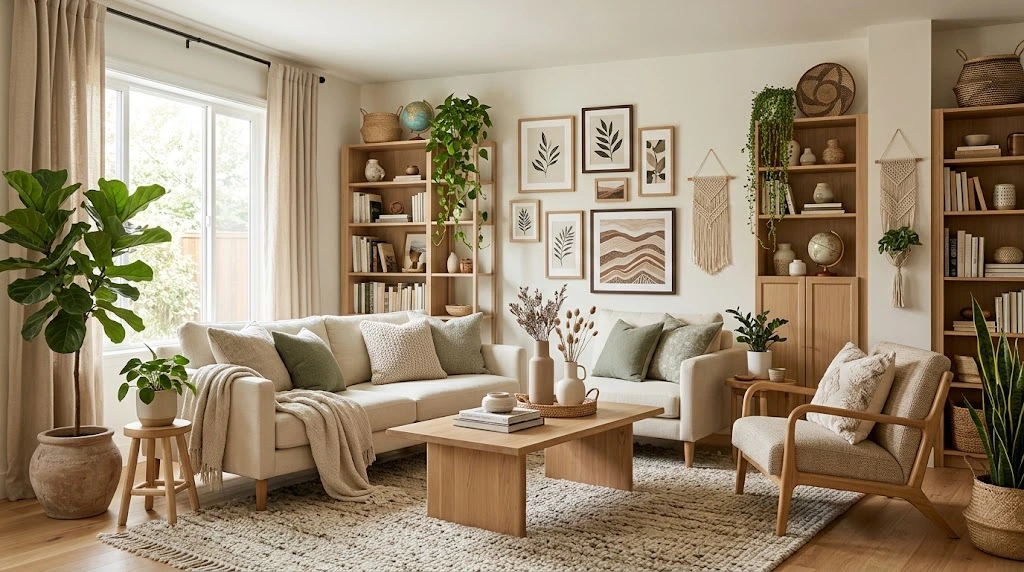
Key Takeaways
- Choose a consistent color palette before buying furniture or accessories.
- Prioritize comfortable layouts, useful lighting, and everyday functionality.
- Use mirrors, vertical storage, and appropriately sized furniture in small rooms.
- Mix textures such as wood, linen, cotton, metal, and woven materials to add depth.
- Refresh your home gradually instead of buying every decorative item at once.
- Use inspiration websites as a starting point, adapting each idea to your own space and budget.
What Are The Hometrotters.com Home Decor Ideas?
The phrase “The Hometrotters.com home decor ideas” reflects a search for decorating inspiration associated with the Hometrotters name. People searching for home decor inspiration generally want practical ways to improve their rooms, discover new styles, select suitable colors, and make their spaces feel more welcoming.
This guide provides independent decorating advice rather than claiming to reproduce or represent content from TheHometrotters.com. You can use the principles below to evaluate inspiration from any website, magazine, social platform, or interior designer.
Good home decor is not simply about following a trend. It is the process of arranging furniture, colors, materials, lighting, and accessories so that a room looks attractive and works well for the people who use it.
How Do You Turn Online Inspiration Into a Real Room?
- Identify your goal: Decide whether the room needs more storage, better lighting, a calmer atmosphere, or a visual refresh.
- Measure the space: Record room dimensions, door swings, window positions, and furniture sizes.
- Choose a direction: Select a style such as modern, minimalist, Scandinavian, traditional, or eclectic.
- Set a budget: Separate essential purchases from optional decorative items.
- Make changes in stages: Begin with layout, lighting, and large surfaces before adding smaller accessories.
Living Room Decor Ideas for a Stylish and Comfortable Home
The living room often serves several purposes: relaxing, entertaining guests, watching television, reading, and spending time with family. Its decor should balance visual appeal with comfortable movement and practical seating.
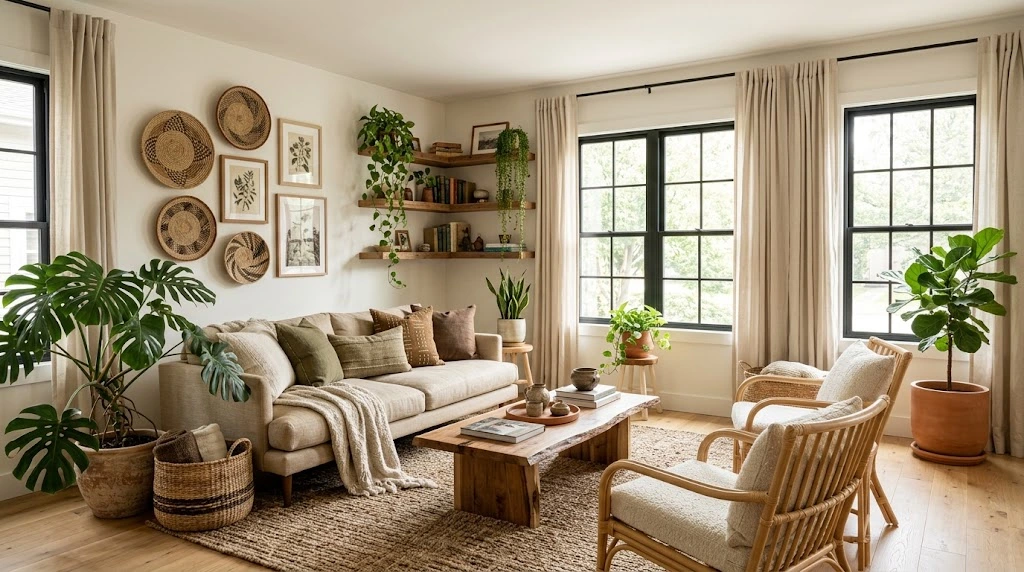
1. Build the Room Around a Focal Point
A focal point gives the eye a natural place to rest. It could be a window with a view, a fireplace, a statement artwork, or a media unit. Arrange the main seating to support conversation and the room’s primary purpose rather than pushing every piece against a wall automatically.
2. Layer Cushions, Rugs, and Throws
Soft furnishings are among the easiest ways to update a living room. Combine a small number of complementary cushion colors, a textured throw, and a rug that suits the furniture arrangement. In a seating area, a rug should ideally connect the main pieces visually; measure before buying to avoid a rug that looks too small.
3. Add Natural Materials
Wood, jute, cotton, linen, ceramic, and woven baskets can make a room feel warmer. These materials work with many decorating styles and can soften the appearance of glass, polished stone, or metal. For a cohesive look, repeat one or two materials in several places rather than introducing a different finish in every corner.
4. Decorate Walls With Intention
Artwork, framed photographs, shelves, and mirrors can add character. Before hanging anything, consider the wall’s proportions and the furniture beneath it. A single larger artwork or a carefully arranged group can look more balanced than many unrelated small pieces scattered around the room.
For more inspiration, explore the home decor inspiration and ideas on The Home Decor Idea. You can also link this section to your own home decor ideas category if that page exists on your site.
Bedroom Decor Ideas for a Relaxing Retreat
A bedroom should support rest first and look attractive second. A simple palette, comfortable bedding, useful bedside lighting, and limited clutter can make a noticeable difference without a full renovation.
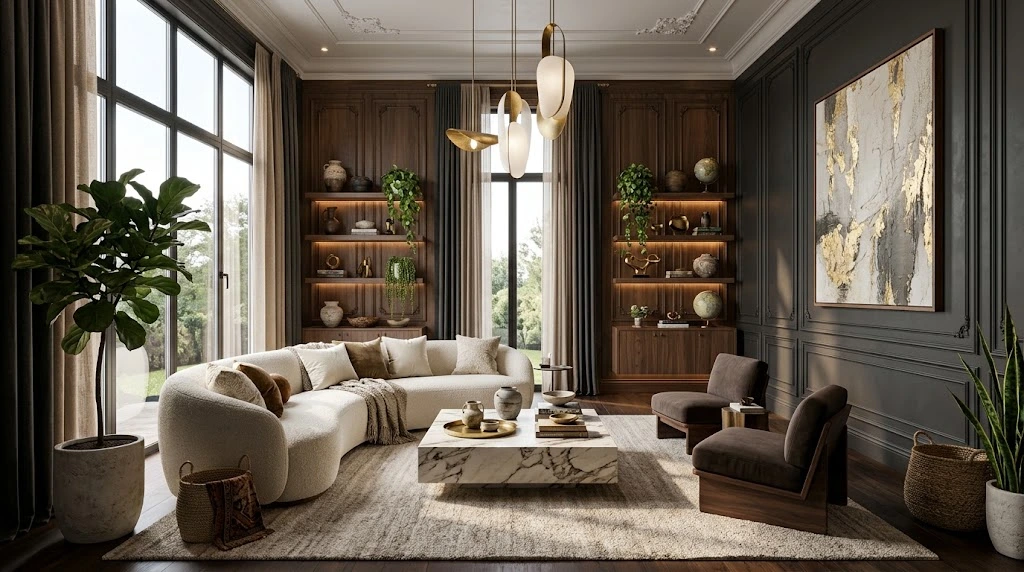
Choose Bedding That Complements the Room
Start with bedding in a color that works with the walls and curtains. White, beige, muted green, soft blue, and warm gray are versatile choices. Add texture through a quilt, blanket, or a few cushions rather than relying on numerous competing patterns.
Improve Bedside Lighting
Overhead lighting is useful for general visibility, but a bedside lamp or adjustable wall light provides a softer option for reading and winding down. Where possible, use separate lighting sources for general illumination, task lighting, and atmosphere.
Keep Storage Practical
Bedside tables with drawers, under-bed storage boxes, and a well-organized wardrobe help reduce visible clutter. Keep the most frequently used items accessible and leave some open space on surfaces. A bedroom usually feels calmer when every decorative item has a clear purpose or personal meaning.
Add Personal Details
A framed photograph, a favorite book, a meaningful artwork, or a plant suitable for the available light can make a bedroom feel personal. Avoid overcrowding shelves and bedside tables. A few well-chosen objects are often more effective than a large collection of unrelated accessories.
Small Home Decor Ideas That Make Rooms Feel Bigger
Small rooms can feel attractive and functional when every item earns its place. The aim is not to make a compact room look empty; it is to preserve clear walking paths, use storage efficiently, and create visual continuity.
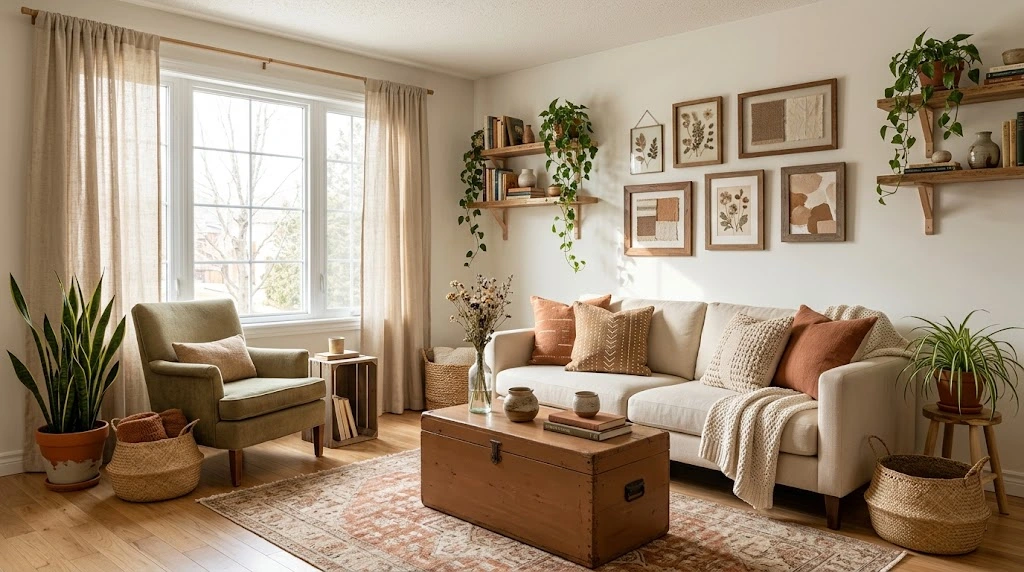
Use Mirrors Strategically
A mirror can reflect daylight or a pleasant view, making a room appear brighter. Position it where it reflects something attractive rather than a cluttered corner. Mirrors do not physically enlarge a room, but their reflections can create a greater sense of openness.
Make Use of Vertical Space
Wall-mounted shelves, tall bookcases, hooks, and cabinets can free up valuable floor space. Keep frequently used items within easy reach and store occasional-use objects higher up. Secure heavy shelves and tall furniture according to the manufacturer’s instructions, particularly in homes with children.
Select Furniture With the Right Scale
Measure before purchasing sofas, tables, beds, and cabinets. Furniture that is too large can block movement, while pieces that are too small may make a room feel fragmented. Multifunctional options, such as an ottoman with storage or a foldable desk, can be useful in flexible spaces.
Reduce Visual Clutter
Use matching storage boxes, baskets, and a limited palette for visible objects. Keep countertops and tabletops partly clear. Grouping similar objects together often creates a more organized appearance than spreading them across every available surface.
How to Choose Home Decor Colors and Lighting
Color and lighting influence how a room feels and how its materials appear. A well-planned palette makes different elements look connected, while layered lighting helps a room work at different times of day.
Start With a Simple Color Palette
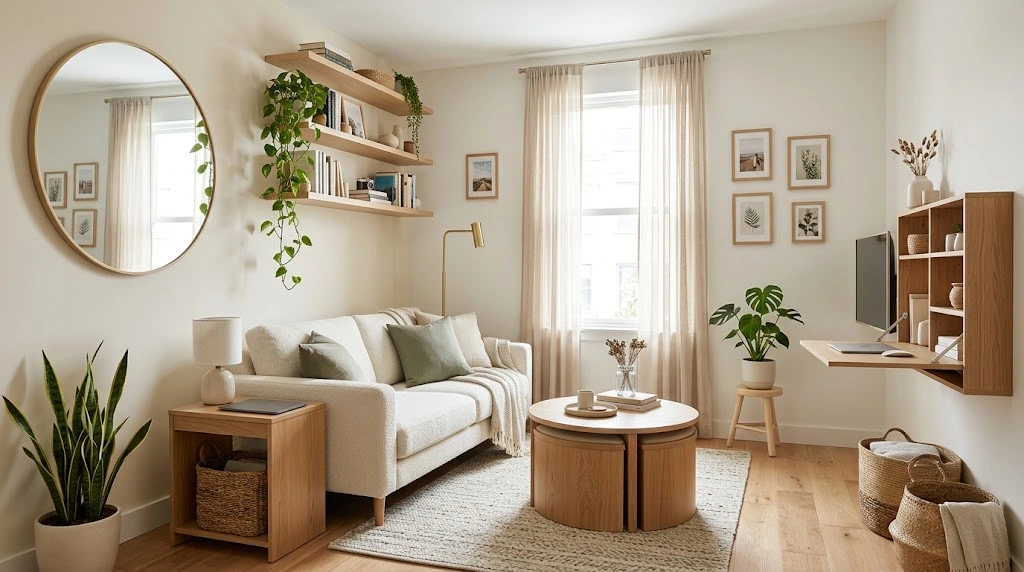
Choose a dominant color, a supporting color, and one or two accent shades. For example, warm white walls, natural wood, and muted green accessories can create a calm, nature-inspired scheme. Navy accents with beige and brass can feel more formal, while terracotta and cream can create a warmer atmosphere.
These are starting points rather than strict rules. Test paint samples on the actual wall and view them at different times of day. Natural light, bulb color, and nearby surfaces can change how a shade appears.
Understand the Role of Lighting
- Ambient lighting: Provides general illumination for the whole room.
- Task lighting: Supports activities such as reading, cooking, working, or applying makeup.
- Accent lighting: Highlights artwork, shelves, architectural details, or decorative objects.
Combining these layers creates flexibility. A warm-toned lamp can make a living room feel cozy, while a well-positioned task light helps a home office remain practical. Choose bulbs appropriate for the fixture, and check brightness, color temperature, and dimmer compatibility before purchasing.
Mix Textures to Add Depth
A room decorated in one color can still feel interesting when its surfaces differ. Try pairing smooth cotton with chunky knits, natural wood with ceramic, or a woven rug with a soft sofa. Texture adds contrast without requiring many extra colors or decorative objects.
Popular Interior Design Styles to Consider
Before shopping, choose a broad style that suits your home, maintenance preferences, and daily routine. You do not need to follow a style perfectly; combining compatible elements can make a room more personal.
| Style | Typical features | Works well for |
|---|---|---|
| Modern | Clean lines, restrained decor, and simple forms | People who prefer an uncluttered look |
| Scandinavian | Light colors, practical furniture, wood, and soft textiles | Bright, relaxed, functional interiors |
| Minimalist | Carefully selected objects, open surfaces, and purposeful storage | Those who want fewer visual distractions |
| Bohemian | Layered textiles, plants, collected objects, and mixed patterns | Expressive, informal spaces |
| Traditional | Classic furniture forms, balanced layouts, and decorative details | Timeless and formal interiors |
| Rustic | Natural finishes, tactile materials, and earthy colors | Warm, nature-inspired rooms |
Can You Mix Different Decorating Styles?
Yes. The key is to create a visual connection between the pieces. Repeat a color, material, shape, or finish across the room. For example, a modern sofa can work with a vintage wooden table when the colors and proportions feel balanced. Mixing styles becomes difficult when every item competes for attention, so keep one style dominant and use another as an accent.
Affordable Home Decor Ideas on a Budget
You do not need an expensive renovation to improve your home. Small changes to textiles, layout, lighting, and organization can have a meaningful visual effect. The best approach is to identify what makes the room feel unfinished and spend money on that problem first.
Refresh What You Already Own
Rearrange furniture, remove items that no longer serve a purpose, and display existing artwork or books more intentionally. Moving a lamp or swapping cushions between rooms can create a fresh look without additional purchases.
Spend Strategically
- Prioritize comfortable, durable furniture that receives daily use.
- Use affordable cushion covers, throws, and curtains to introduce color.
- Look for second-hand furniture that is structurally sound and easy to maintain.
- Use simple frames to create a coordinated gallery wall.
- Compare dimensions, materials, delivery fees, and return policies before buying.
- Set aside part of the budget for installation, repairs, or unexpected costs.
A Simple Room Refresh Plan
Step 1 — Declutter: Remove items that do not belong in the room and identify useful storage.
Step 2 — Rearrange: Improve the walking paths and furniture layout before buying anything.
Step 3 — Adjust the lighting: Add a suitable task or accent light where needed.
Step 4 — Introduce texture: Add one or two coordinated textiles or natural materials.
Step 5 — Finish personally: Display artwork, books, or meaningful objects without overcrowding surfaces.
Common Home Decorating Mistakes to Avoid
Buying Before Measuring
A sofa may look perfect online but overwhelm a small living room. Measure the available space and check the product’s width, depth, height, delivery access, and clearance requirements before ordering.
Using Too Many Colors and Patterns
Mixing patterns can add character, but unrelated colors and competing prints can make a room feel chaotic. Repeat a few shades and vary the scale of patterns to create balance.
Ignoring Everyday Function
Beautiful styling is less useful if it blocks a doorway, leaves nowhere to place a drink, or makes storage difficult. Plan around the activities that happen in the room every day.
Relying on One Light Source
A single overhead light may create harsh shadows or leave reading areas poorly illuminated. Add task and accent lighting where needed, while making sure all fixtures are appropriate for their location.
Following Trends Without Considering Your Needs
Trends change, but furniture and major finishes can be costly to replace. Use trends in easy-to-update items such as cushions, artwork, or accessories. Choose long-lasting materials and colors for larger purchases when possible.
How to Evaluate Home Decor Advice and Inspiration
Not every attractive room photograph provides enough information to reproduce the result. Images may use professional lighting, staged furniture, wide-angle photography, or a room much larger than yours. Treat inspiration as a source of ideas, not proof that a particular product or layout will work in every home.
- Check whether product recommendations explain materials, dimensions, maintenance, and limitations.
- Compare advice with your room measurements and natural lighting conditions.
- Look for practical details instead of relying only on attractive photographs.
- For electrical work, structural changes, or installation concerns, follow local requirements and consult a qualified professional when necessary.
- Check the date and original source of any claimed price, statistic, or product specification.
Useful reference points include the ENERGY STAR website for energy-efficient product information and the U.S. Environmental Protection Agency’s indoor air quality resources for general guidance on indoor environments. These are supporting resources, not endorsements of a particular decorating style.
Frequently Asked Questions About The Hometrotters.com Home Decor Ideas
1. What are The Hometrotters.com home decor ideas?
The phrase refers to a search for home decorating inspiration associated with TheHometrotters.com. You can use the practical principles in this guide to plan room layouts, choose colors, improve lighting, and decorate within your budget.
2. How can I decorate my home without spending much money?
Start by rearranging furniture, decluttering, improving lighting, and reusing items you already own. Add affordable textiles or artwork only after identifying what the room actually needs.
3. Which colors make a small room look bigger?
Light neutrals and pale, coordinated colors can help a small room feel brighter, especially when daylight is available. Mirrors and good lighting may also create a greater sense of openness.
4. How do I choose a home decor style?
Consider your lifestyle, maintenance preferences, budget, and the architecture of your home. Select a broad style, choose a consistent palette, and adapt the details to your personal taste.
5. What are the most important home decor accessories?
Useful accessories include curtains, rugs, cushions, lamps, mirrors, artwork, baskets, and plants suited to the room’s conditions. Choose items that improve comfort, function, or personal expression.
6. How can I make my living room look professionally decorated?
Use a clear focal point, appropriately sized furniture, layered lighting, coordinated colors, and a mix of textures. Leave enough open space for comfortable movement and avoid overcrowding shelves and tables.
7. Is it okay to mix modern and traditional home decor?
Yes. Keep the combination cohesive by repeating colors, materials, or finishes. Let one style lead and use the other for selected furniture, artwork, or decorative accents.
8. Where should I begin when decorating a new home?
Measure each room, list your practical needs, set a budget, and plan the placement of large furniture first. Add lighting, textiles, and accessories after the layout works.
Conclusion: Create a Home That Works for You
The most useful lesson from searching for The Hometrotters.com home decor ideas is to turn inspiration into practical decisions. A beautiful home does not require expensive furniture or a perfect match to a trend. It requires thoughtful choices about layout, color, lighting, texture, storage, and the objects that matter to you.
Begin with one room, make a simple plan, and improve it step by step. Measure before shopping, prioritize everyday comfort, and select details that fit your home and budget.
Need More Home Decor Inspiration?
Explore The Home Decor Idea for more decorating inspiration, room styling tips, and practical ideas for creating a home that feels comfortable and personal.
Editorial note: This is an independent home decor guide. It does not claim affiliation with or endorsement by TheHometrotters.com. Product availability, costs, and suitability vary by location and individual requirements.