
HOME DECOR INSPIRATION
Home Decor Ideas: Stylish Ways to Transform Every Room
Looking for home decor ideas inspired by TheHometrotters and modern interior design trends? Discover practical ways to refresh your living room, bedroom, kitchen, and small spaces with beautiful colors, thoughtful furniture, lighting, plants, and affordable accessories.
A welcoming home does not need expensive furniture or a complete renovation. With a clear color palette, a few carefully chosen details, and a layout that suits your daily routine, you can create rooms that feel comfortable, personal, and beautifully coordinated.

What Are the Best Home Decor Ideas?
The best home decor ideas combine a practical layout, complementary colors, suitable lighting, comfortable furniture, and personal accessories. Start with the purpose of each room, choose a consistent design direction, and add decorative details that improve the space rather than crowd it.
For example, a living room may benefit from layered lighting and a coordinated rug, while a bedroom can feel calmer with soft bedding, warm lamps, and minimal clutter. A small apartment can look more spacious with light colors, multifunctional furniture, and smart vertical storage.
- Choose two or three main colors that work together.
- Arrange furniture around the room’s main purpose.
- Combine natural light with comfortable artificial lighting.
- Use rugs, curtains, and cushions to introduce texture.
- Add plants, artwork, and meaningful personal objects.
- Keep walkways and frequently used surfaces uncluttered.
If you enjoy exploring different decorating approaches, use The Home Decor Idea as a starting point for discovering room inspiration, practical styling tips, and ideas that you can adapt to your own home. The aim is to find a look that fits your needs, not simply copy a photograph.
1. Choose a Home Decor Style That Fits Your Lifestyle
Before buying new accessories, decide what kind of atmosphere you want to create. A clear style makes shopping easier and helps prevent rooms from looking disconnected.
Modern home decor
Modern interiors often feature clean lines, functional furniture, simple artwork, and a controlled color palette. Black accents, glass, and metal can add contrast to neutral walls.
Minimalist decor
Minimalist spaces focus on essentials, open surfaces, and useful objects. Choose fewer pieces with better proportions instead of filling every corner.
Scandinavian style
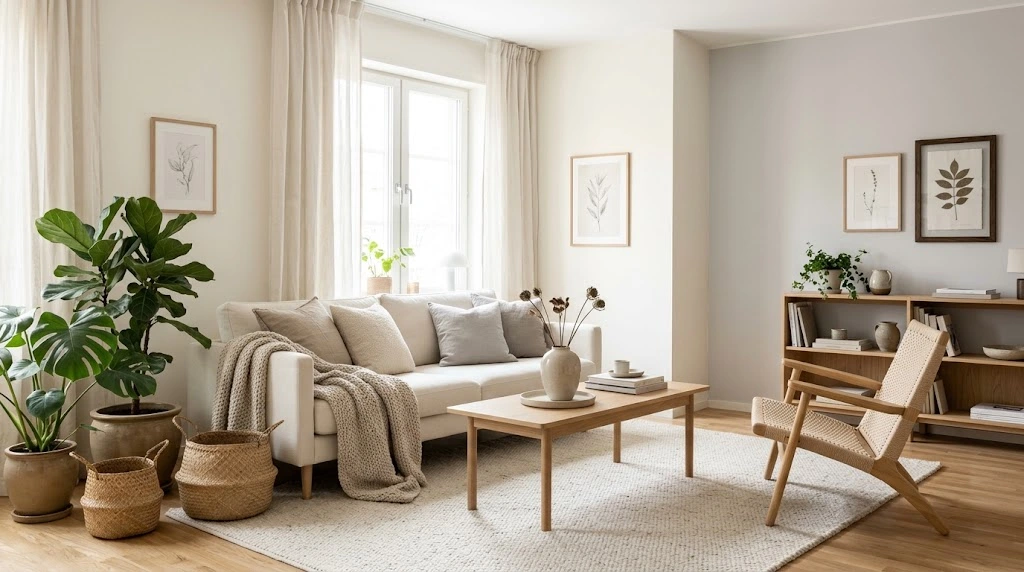
Light wood, soft neutrals, simple furniture, and natural textures create a bright, relaxed atmosphere. This style works especially well in compact rooms.
Bohemian interiors
Layered textiles, plants, handmade accessories, and mixed patterns bring personality to a room. Repeat a few colors to keep the look balanced.
You can also combine styles. A modern sofa can work with traditional artwork, while a minimalist bedroom can include a colorful handmade rug. The secret is to repeat a few materials or colors so the combination feels intentional.

2. Refresh Your Living Room With Simple Changes
The living room is often the center of family life, relaxation, and entertaining. Good living room decor should support those activities while making the space feel comfortable and visually balanced.
Arrange furniture around a focal point
Start by identifying the main feature of the room. It might be a window, fireplace, television wall, or large piece of artwork. Arrange the sofa and chairs so people can talk comfortably and move around without obstacles.
Use a coordinated color palette
Neutral sofas can be refreshed with cushions in sage green, terracotta, muted blue, or warm beige. Repeat one or two of these shades in artwork, curtains, or decorative objects to connect the room.
Layer lighting for different activities
Use ceiling lights for general illumination, floor or table lamps for a softer atmosphere, and focused lighting for reading. Dimmers can provide flexibility where compatible fixtures are installed.
Add texture without clutter
A rug, woven basket, textured cushion, or linen curtain can add depth without requiring a large purchase. Make sure the rug is appropriately sized for the furniture arrangement and does not create a tripping hazard.
3. Create a Calm and Beautiful Bedroom
A bedroom should feel restful, comfortable, and personal. Rather than filling it with decorative objects, focus on bedding, lighting, storage, and a few details that support a peaceful atmosphere.
Use bedding to establish the palette
White, cream, taupe, soft gray, and muted green are flexible bedding colors. Introduce a contrasting shade through a throw blanket or cushions. If you prefer patterns, choose one main pattern and balance it with simpler fabrics.
Make the bed the visual center
Coordinated bedside tables, matching or complementary lamps, and a carefully positioned headboard can give the bedroom a finished appearance. A single large artwork or a balanced pair of prints can decorate the wall above the bed.
Keep storage practical
Under-bed containers, wardrobe organizers, and bedside drawers help reduce visible clutter. Keep frequently used items accessible, and avoid filling every available surface with accessories.
Choose comfortable lighting
Bedside lamps are useful for reading and provide an alternative to bright overhead lights. Select bulbs that feel comfortable in the evening and use task lighting where you need to read or complete other activities.
For a small bedroom, consider wall-mounted bedside shelves or compact furniture. Keep enough space to enter and leave the bed comfortably, and avoid oversized pieces that block windows or walkways.
4. Make Small Spaces Feel Larger
Small homes and apartments benefit from decorating choices that save floor space and make movement easier. You do not need to remove every decorative item; instead, choose pieces that serve a clear purpose.
Choose multifunctional furniture
A storage ottoman can provide seating and hold blankets. A drop-leaf table can serve as a desk or dining surface. Beds with drawers can offer extra storage without requiring a separate cabinet.
Use vertical space
Wall-mounted shelves, hooks, tall narrow bookcases, and hanging organizers can free up the floor. Secure wall-mounted furniture correctly and follow the manufacturer’s weight limits.
Keep the visual palette simple
Light wall colors, consistent finishes, and a limited number of large decorative pieces can make a small room feel less busy. Mirrors may help reflect light when placed thoughtfully, although their effect depends on the room’s layout and available light.
Define areas in an open-plan room
A rug can distinguish a seating area from a dining zone. A bookcase or console may help separate functions without building a permanent wall. Keep sightlines and walking routes clear.
5. Use Colors to Create a Cohesive Home
Color connects different rooms and helps create a recognizable style. You do not need identical walls throughout your home, but repeating a few shades can make the overall design feel consistent.
| Color palette | Decorating effect | Colors and materials to pair |
|---|---|---|
| Warm neutrals | Welcoming and timeless | Cream, beige, oak, linen |
| Sage and earthy tones | Natural and relaxed | Sage, terracotta, wood, woven textures |
| White and gray | Clean and contemporary | White, charcoal, silver, pale wood |
| Blue and cream | Soft and balanced | Muted blue, ivory, natural fibers |
| Earthy and rich | Warm and expressive | Olive, rust, brown, brass accents |
Test paint samples on the actual wall before committing to a color. Daylight, artificial lighting, wall orientation, and nearby materials can change how a shade appears. Observe samples at different times of day rather than relying only on a small screen image.
A useful approach is to choose a main neutral, a secondary color, and an accent shade. Repeat them through curtains, cushions, artwork, or smaller accessories. This creates continuity while leaving room for variety.
6. Improve Your Home With Thoughtful Lighting
Lighting affects how colors, textures, and furniture appear. A room with only one overhead light can feel flat, while a combination of light sources allows you to adjust the atmosphere for different activities.
Understand the three lighting layers
- Ambient lighting: Provides general illumination throughout the room.
- Task lighting: Helps with activities such as reading, cooking, working, or applying makeup.
- Accent lighting: Highlights artwork, shelves, architectural details, or decorative objects.
Use table lamps in living rooms and bedrooms, under-cabinet lighting in suitable kitchen areas, and task lamps in home offices. Curtains and blinds can help manage daylight and glare.
Choose appropriate fittings for bathrooms, kitchens, and other areas where moisture or heat may be present. Follow electrical safety guidance and consult a qualified professional when an installation requires wiring changes.

7. Bring Nature Indoors With Plants and Natural Materials
Indoor plants, wooden furniture, woven baskets, stoneware, and natural-fiber textiles add visual variety to a room. These materials can soften modern interiors and complement both minimalist and traditional decorating styles.
Select plants for the actual conditions
Consider the amount of sunlight, available space, watering needs, and care requirements before choosing a plant. Pothos, snake plants, and some succulents are popular options, but their suitability depends on the light and conditions in your home.
Use natural materials in small doses
A wooden tray, jute rug, woven lampshade, or ceramic vase can introduce texture without changing the entire room. Repeat a natural material in more than one place to create a connected look.
Make plant styling practical
Use saucers or waterproof trays to protect surfaces from water. Keep plants away from heat sources when necessary, and check whether a plant is safe for children and pets before placing it within reach.
If natural light is limited, consider suitable artificial plants or decor inspired by natural shapes and textures. Choose items that are easy to clean and do not collect unnecessary dust.
8. Upgrade Your Kitchen and Dining Area
Kitchen decor works best when it combines visual appeal with easy cleaning and efficient use of space. A few coordinated changes can refresh the room without requiring a full renovation.
Keep countertops selective
Display frequently used items such as a utensil holder, a fruit bowl, or a small tray. Store rarely used appliances elsewhere when possible so the work surface remains available for food preparation.
Update cabinet details
Replacing suitable cabinet handles can change the look of a kitchen without replacing the cabinetry. Check the existing hole spacing and material compatibility before purchasing new hardware.
Style the dining table
A simple centerpiece, a washable table runner, or coordinated placemats can make everyday meals feel more considered. Keep decorations low enough for comfortable conversation and easy enough to move when serving food.
Use lighting effectively
Pendant lights can define a dining area, while under-cabinet task lighting can help illuminate kitchen work surfaces. Select fixtures appropriate for their location and have electrical work completed safely.
For a compact kitchen, use wall-mounted storage and drawer organizers rather than adding bulky furniture. Keep frequently used cookware and utensils accessible without blocking counters or walkways.

9. Decorate Your Walls With Artwork and Personal Details
Wall decor helps communicate your personality and gives a room a focal point. The best choice depends on the size of the wall, the furniture below it, and the atmosphere you want to create.
Create a gallery wall
Combine framed photographs, illustrations, prints, and personal memories. To keep the arrangement cohesive, repeat frame finishes or choose artwork with a related color palette. Lay out the arrangement on the floor before hanging anything.
Choose one statement piece
A large artwork or decorative mirror can work better than many small objects competing for attention. Check the proportions against the wall and nearby furniture before deciding where to place it.
Display meaningful objects
Books, handmade ceramics, travel souvenirs, and family photographs can make a home feel individual. Group smaller objects in threes or vary their heights to create visual interest, while leaving some empty space around the arrangement.
Use secure fittings suited to the wall type and the weight of the object. In homes with children, avoid placing heavy frames or fragile decorations where they could fall or be easily reached.
10. Affordable Home Decor Ideas That Make a Difference
You can refresh a room without buying a complete set of new furniture. Start with changes that improve the layout, color balance, or organization, then add accessories only where they provide value.
- Rearrange furniture: Improve circulation and make better use of natural light.
- Refresh textiles: Change cushion covers, bedding, or a table runner.
- Frame inexpensive artwork: Use prints that match your room’s color palette.
- Reuse existing objects: Restyle trays, vases, books, and baskets you already own.
- Organize visible clutter: Add affordable drawer dividers or storage boxes.
- Paint selectively: Refresh a suitable wall or piece of furniture when practical.
- Shop secondhand: Look for sturdy furniture that can be cleaned or repaired.
Prioritize items you use every day. A comfortable sofa, supportive chair, suitable lighting, or practical storage solution may be more valuable than a decorative purchase that has no clear purpose.
When buying secondhand furniture, check stability, condition, dimensions, and any signs of moisture or pest damage. Compare the cost of repairs and delivery with the price of a new item before deciding.
11. Common Home Decorating Mistakes to Avoid
Beautiful interiors are usually the result of thoughtful editing rather than adding more things. Watch for these common issues when updating your home.
- Buying before measuring: Check furniture dimensions, door clearances, and walking space first.
- Using too many colors: Repeat a few core shades instead of introducing unrelated colors in every room.
- Ignoring lighting: Plan general, task, and accent lighting around the room’s activities.
- Overcrowding surfaces: Leave room for daily use and give important objects space to stand out.
- Choosing unsuitable materials: Consider cleaning, durability, moisture, and household needs.
- Copying trends without adapting them: Use inspiration as a starting point rather than a rigid template.
- Forgetting comfort: A room should work for the people who use it, not just look attractive in photographs.
Before making a purchase, ask whether the item fits the room, supports your routine, and complements something you already own. This simple test helps reduce unnecessary spending and visual clutter.
12. How to Build a Home Decor Plan Step by Step
A clear plan helps you avoid expensive mistakes and makes decorating less overwhelming. You can use the same process for one room or an entire home.
Step 1: Identify the room’s purpose
List the main activities the room needs to support, such as relaxing, dining, studying, or entertaining.
Step 2: Measure and assess
Record the room dimensions, windows, doors, electrical points, and existing furniture you plan to keep.
Step 3: Choose a design direction
Select a small color palette, a few preferred materials, and a style that fits your home and budget.
Step 4: Arrange essential furniture
Plan the main layout before buying artwork, cushions, plants, or decorative accessories.
Step 5: Add lighting and storage
Make sure the room is comfortable to use and that everyday items have practical places.
Step 6: Finish with personal touches
Add artwork, plants, textiles, photographs, and meaningful objects gradually. Review the room before buying anything else.
For further inspiration, explore The Home Decor Idea and browse its available decorating resources. Use related guides to compare styles and plan updates that suit your own space.
Key Takeaways: Home Decor Ideas for Every Home
- Choose a decorating style that reflects your lifestyle and personal taste.
- Use a coordinated color palette to connect furniture, textiles, and accessories.
- Prioritize comfort, layout, and lighting before decorative purchases.
- Make small rooms more functional with vertical storage and multifunctional furniture.
- Introduce texture through plants, rugs, curtains, and natural materials.
- Refresh your home affordably by rearranging, reusing, and selectively updating existing items.
- Measure carefully and consider durability, cleaning, and safety before purchasing.
- Use online inspiration as a guide, then adapt ideas to your own room and budget.
Frequently Asked Questions About Home Decor Ideas
What are the best home decor ideas for beginners?
Start with a coordinated color palette, a practical furniture layout, suitable lighting, and organized storage. Add a few plants, framed prints, and complementary textiles once the essentials are in place.
How can I decorate my home on a low budget?
Rearrange existing furniture, reuse decorative objects, update cushion covers, frame affordable artwork, and organize clutter. Prioritize changes that improve both appearance and everyday use.
How do I make a small room look bigger?
Use appropriately sized furniture, lighter colors, vertical storage, and clear walkways. Mirrors can help reflect available light when placed thoughtfully.
Which colors work best for home decor?
Warm neutrals, white, sage green, muted blue, and soft gray are versatile choices. The best combination depends on natural light, room size, existing materials, and your preferences.
How can I make my living room look more expensive?
Use well-proportioned furniture, coordinated colors, layered lighting, properly sized rugs, and a few carefully selected accessories. A tidy, balanced room can look polished without luxury purchases.
What are the latest home decor trends?
Decorating preferences change over time, but natural materials, personalized spaces, practical storage, and layered lighting remain useful design approaches. Choose trends that suit your home instead of following every new look.
How do I choose a home decor style?
Collect a few inspiration images, identify colors and materials they share, and compare those choices with your existing furniture and budget. Select a direction that feels practical and comfortable.
Where can I find home decor inspiration?
Explore interior design publications, furniture catalogs, room photographs, and home decor websites such as The Home Decor Idea. Adapt ideas to your own measurements, lighting, needs, and budget.
Transform Your Home With Ideas That Fit Your Life
The most successful home decor ideas balance beauty with comfort and everyday practicality. Whether you are refreshing a bedroom, styling a living room, or making a small apartment more functional, thoughtful planning can help you achieve a more cohesive result.
Begin with the essentials, work within your budget, and add personal details gradually. You do not need to change everything at once to make your home feel more inviting.
Visit The Home Decor Idea for more home decorating inspiration and practical ideas for creating a space that feels like yours.
Editorial note: This guide provides general decorating suggestions. Check product dimensions, care instructions, installation requirements, and household safety considerations before making changes.