
Home Decor Ideas 2026: Fresh, Modern and Timeless Ways to Style Your Home
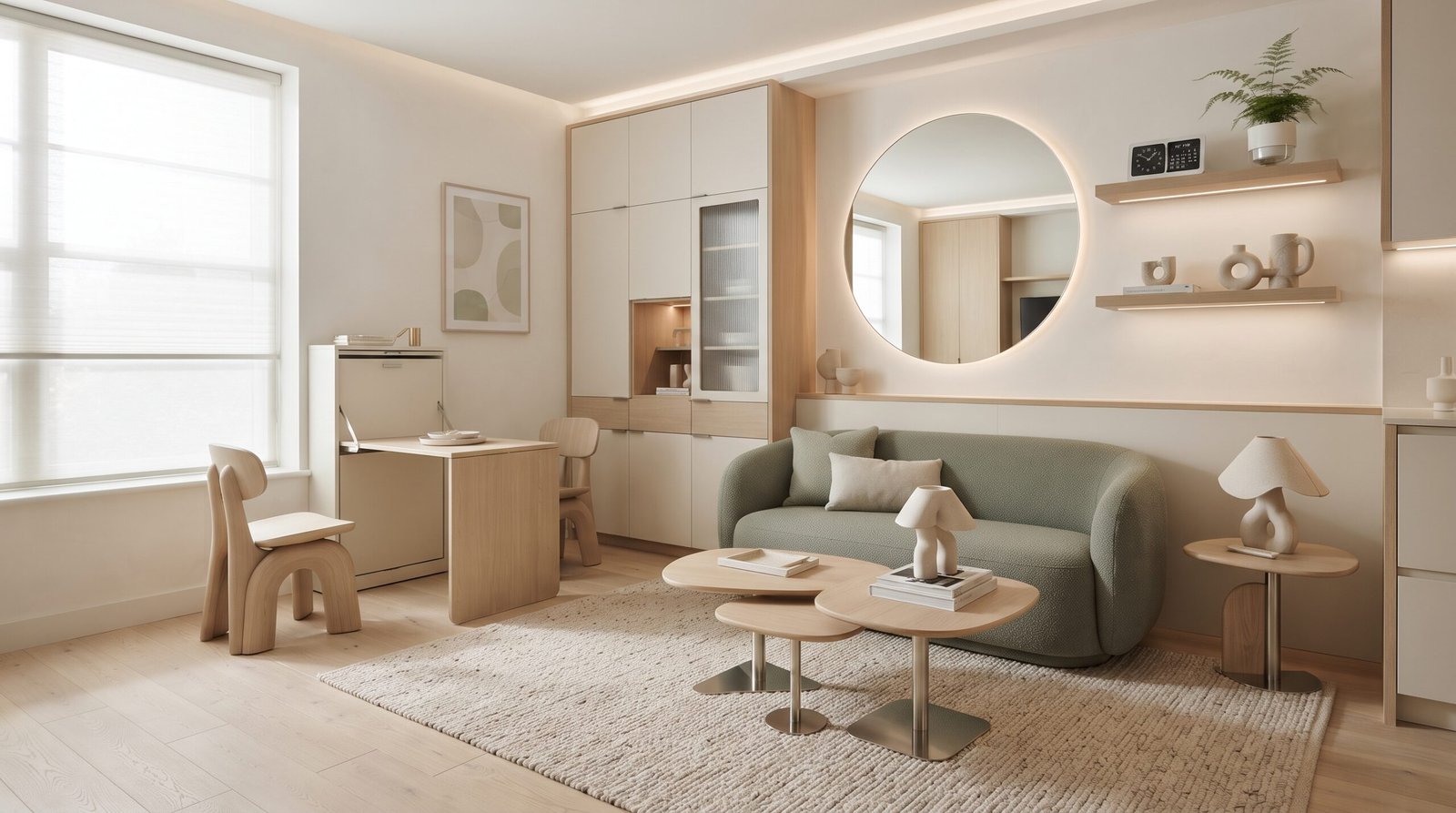
The best home decor ideas for 2026 combine natural materials, comfortable furniture, layered lighting, personal details, and colors that make a room feel welcoming. You do not need to renovate your entire house or buy expensive furniture. Small, intentional changes—such as updating textiles, rearranging furniture, adding warm lighting, or displaying meaningful objects—can make your home feel more considered and comfortable.
This guide explores practical home decorating ideas for living rooms, bedrooms, kitchens, and small spaces, with budget-friendly suggestions to help you create a look that suits your lifestyle.
Key Takeaways
- Choose a cohesive color palette before buying new decor.
- Use wood, linen, cotton, stone, and other tactile materials to add warmth.
- Layer ambient, task, and accent lighting instead of relying on one ceiling light.
- Make rooms feel personal with artwork, books, plants, and meaningful objects.
- Improve the layout and reuse existing furniture before spending money.
- Prioritize comfort, storage, and durability over trends that do not fit your needs.
What Are the Biggest Home Decor Ideas for 2026?
Home decorating in 2026 is best approached as a balance between visual character and everyday function. Instead of following one strict style, homeowners can combine natural finishes, softer colors, sculptural shapes, vintage accents, and practical storage to build rooms that feel individual.
These are useful directions to explore—not rules that every home must follow. A trend is worth adopting only when it works with your room, budget, climate, and routine.
1. Natural textures
Bring in wood grain, woven baskets, linen curtains, cotton throws, and ceramic accessories. These finishes add depth without requiring strong colors or complicated patterns.
2. Warm, grounded colors
Consider warm white, beige, muted green, clay, sand, and earthy brown. Use them as a base, then introduce a smaller accent color through cushions or artwork.
3. Personal, collected spaces
Mix a few newer pieces with inherited furniture, secondhand finds, travel souvenirs, or objects connected to your interests. A room feels more distinctive when it tells your story.
4. Flexible, functional layouts
Choose furniture that supports how you live. Storage ottomans, nesting tables, movable lamps, and modular seating can make rooms easier to use.
1. Choose a Color Palette That Makes Your Home Feel Connected
Color is one of the most effective tools in interior design because it influences how a room feels and how separate spaces relate to one another. A coordinated palette can make an open-plan home feel more organized, while thoughtful contrast keeps individual rooms from looking identical.
How to build a simple decorating palette
- Start with a base: choose a wall, flooring, or large-furniture color that you can comfortably live with.
- Add a supporting shade: use a complementary neutral or muted color for curtains, rugs, or upholstery.
- Introduce an accent: bring in a richer shade through cushions, vases, artwork, or a single statement chair.
For example, warm white walls, oak-colored furniture, olive-green cushions, and a clay-colored vase create a relaxed combination. If you prefer a cooler look, soft gray, off-white, natural wood, and dusty blue can work together.
Test paint samples on more than one wall and observe them in daylight and artificial light before committing. A color can look quite different depending on the direction of the windows and the bulbs in the room.
2. Use Natural Materials to Add Warmth and Character
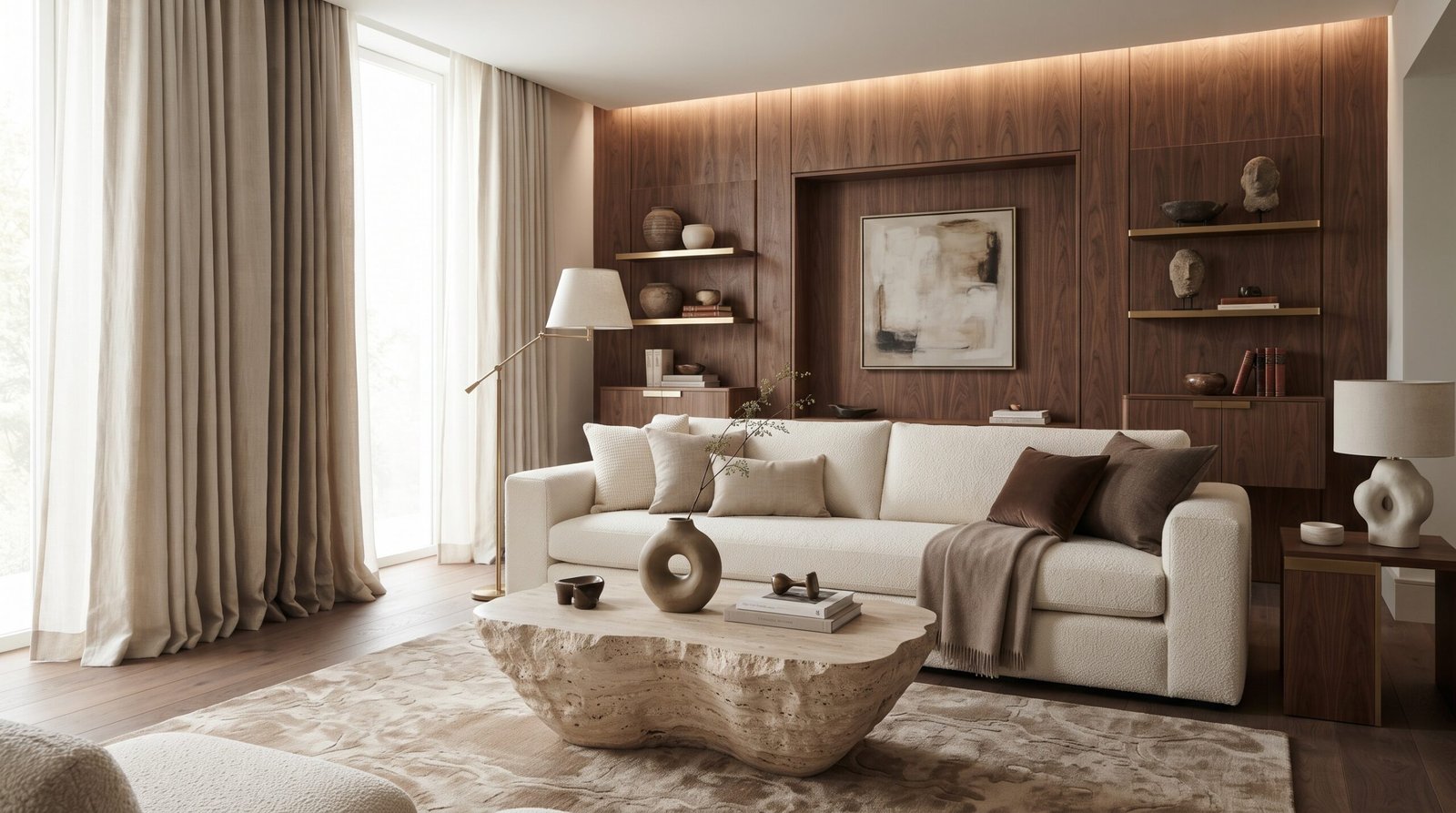
A room can look polished yet feel flat when every surface has the same finish. Natural and natural-looking materials create contrast through grain, texture, and subtle variation. They can also help a simple room feel more layered without adding clutter.
Try these combinations:
- Wood and linen: a wooden side table with linen curtains or a relaxed upholstered chair.
- Woven texture and smooth surfaces: a rattan basket beside a clean-lined cabinet.
- Ceramic and glass: a handmade-looking vase with a simple glass lamp or tray.
- Soft textiles and stone: a cotton throw beside a marble-look or stone side table.
You do not need every material in every room. Pick two or three that complement one another and repeat them in small ways. If you have pets, young children, or heavy daily use, consider washable covers, sealed surfaces, and sturdy materials that are easy to maintain.
3. Refresh Your Living Room Without Replacing Everything
The living room often serves several purposes: relaxing, entertaining guests, reading, watching television, and sometimes working. The most useful living room decor ideas start with the way people move through and use the space.
Rearrange furniture around a clear focal point
Identify the natural focal point, such as a window, fireplace, artwork, or television. Arrange seating so conversation feels comfortable and pathways remain clear. Avoid pushing every piece against the walls automatically; in some rooms, bringing seating slightly inward creates a more connected arrangement.
Layer cushions, throws, and rugs
Combine a few cushion sizes and textures instead of buying a large matching set. A plain sofa can feel fresh with two coordinated cushions, one contrasting accent, and a textured throw. Make sure the rug is large enough to visually connect the seating area and does not create a tripping hazard.
Style surfaces with restraint
On a coffee table, group a small stack of books, a tray, and one decorative object. Leave enough open space for cups, remotes, and everyday use. On shelves, alternate books with ceramics, framed photographs, and some empty space so the arrangement can breathe.
Before purchasing new furniture, photograph your room from the doorway. Try moving one item, removing unnecessary accessories, and adjusting the lighting. Reviewing the room from the same angle can reveal improvements that are difficult to notice while standing inside it.
4. Make Your Bedroom Feel Calm and Comfortable
A bedroom should support rest, so its decor benefits from a quieter palette, comfortable bedding, and fewer visual distractions. You can create a restful atmosphere without making the room look plain.
- Layer the bed: combine breathable sheets, a duvet or comforter suited to your climate, and a textured blanket.
- Use bedside lighting: lamps or suitable wall lights make reading easier and create a softer evening atmosphere.
- Keep bedside surfaces useful: leave space for essentials and store small items in a drawer or tray.
- Add softness: curtains, a rug, and upholstered details can make the room feel more inviting.
- Personalize the wall: choose a framed print, a small art arrangement, or a restrained headboard feature.
For a small bedroom, consider wall-mounted shelves, under-bed storage, and furniture with visible legs to keep the floor area feeling more open. Avoid blocking windows with oversized furniture, and check that drawers and wardrobe doors can open fully.
5. Give Your Kitchen a Stylish, Practical Update
Kitchen decor works best when attractive details support the room’s practical purpose. Clear work surfaces, accessible storage, and easy-to-clean finishes are often more valuable than decorative items that take up space.
Simple kitchen decorating ideas
- Display a small group of frequently used dishes or mugs on an open shelf.
- Use matching or coordinated containers for dry goods, where safe and practical.
- Add a washable runner only where it will not slip or obstruct doors and walkways.
- Bring in color with a fruit bowl, tea towels, or a small piece of wall art away from heat and moisture.
- Organize utensils and cooking tools near the areas where you use them.
For a larger visual change, update cabinet hardware if the existing cabinets are in good condition. Check dimensions and fixing-hole spacing before purchasing handles. If you rent, removable accessories and freestanding storage may be more appropriate than permanent alterations.
6. Decorate Small Spaces to Feel More Open
Small apartments and compact rooms can be attractive and functional when each item earns its place. The aim is not to make every surface empty; it is to balance storage, useful furniture, and visual breathing room.
Ideas that work in compact homes
- Choose furniture with more than one use: a storage bench, nesting tables, or a desk that doubles as a console.
- Use vertical space: install suitable shelves or hooks without overloading walls.
- Keep colors coordinated: repeating a few shades can help adjoining areas feel connected.
- Use mirrors thoughtfully: place a mirror where it reflects daylight or a pleasant view, not an unwanted cluttered area.
- Keep pathways clear: choose appropriately sized furniture and allow doors and drawers to open.
Mirrors and pale colors can influence how spacious a room appears, but they cannot replace good planning. Measure furniture, note door swings, and map out walking routes before ordering large items.

7. Improve the Atmosphere With Layered Lighting
Lighting affects how colors, furniture, and textures appear. A room that relies on one bright overhead fixture may feel less comfortable in the evening, even when the decor is attractive.
Think about three lighting layers:
- Ambient lighting: general light from ceiling fixtures or other room-wide sources.
- Task lighting: focused light for reading, cooking, desk work, or other activities.
- Accent lighting: light that draws attention to artwork, a shelf, or an architectural feature.
Warm-white bulbs often create a cozy mood in living rooms and bedrooms, while kitchens and work areas may benefit from lighting chosen for clarity and accurate color. The best color temperature depends on the task, finishes, and personal preference. If possible, use dimmable fixtures where compatible.
Keep lamps and cords away from water, hot surfaces, and walkways. Check fixture ratings and electrical requirements before changing fittings, and use a qualified electrician for work that requires one.
8. Bring Nature Indoors With Plants and Organic Details
Houseplants add color, shape, and a sense of life to a room. They can also connect interior styling with the outdoors. Choose plants based on the actual light conditions and the time you can spend caring for them rather than buying them solely for their appearance.
Place suitable plants near bright windows, use pots with drainage where appropriate, and protect furniture from water. In homes with pets or small children, verify that a plant is safe before bringing it indoors. If live plants are impractical, branches, dried arrangements, botanical artwork, or quality artificial greenery can provide a similar visual accent.
Natural details do not need to be limited to plants. A wooden bowl, woven basket, stoneware vase, or landscape print can create a gentle connection with natural forms.
9. Make Walls More Interesting With Art and Personal Collections
Walls provide an opportunity to express personality, but they do not all need to be covered. One well-chosen artwork can make a stronger statement than many unrelated decorations.
Easy ways to style your walls
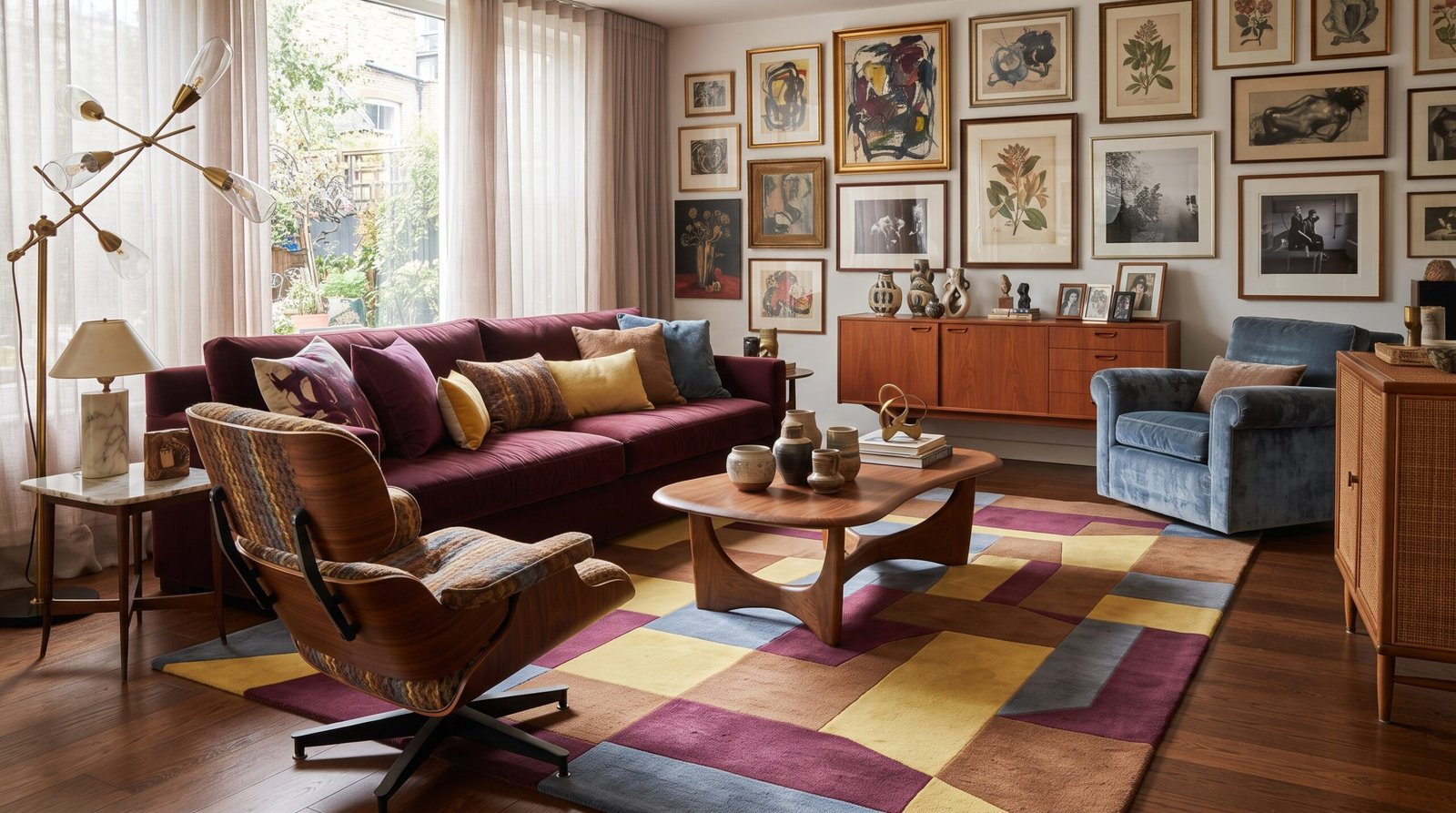
- Create a gallery wall using a consistent frame color or a shared theme.
- Hang a large print above a sofa or bed, leaving enough visual space around it.
- Use framed family photographs or personal artwork for a meaningful display.
- Arrange a small collection of prints along a hallway to make the transition space feel intentional.
- Try removable picture-hanging products when appropriate for the wall surface and item weight.
Before drilling, check for wiring and pipes, use appropriate wall fixings, and confirm the weight limits. When creating a gallery wall, lay out the arrangement on the floor first or make paper templates to test spacing.
10. Decorate on a Budget by Prioritizing High-Impact Changes
A stylish home does not require a complete shopping list. The most affordable approach is usually to identify the part of the room that feels least successful and make a focused improvement.
- Declutter first: remove items that no longer serve a purpose or bring enjoyment.
- Shop your own home: move artwork, lamps, cushions, and accessories between rooms.
- Repair and refresh: clean upholstery, polish suitable surfaces, or repaint a small item when appropriate.
- Buy secondhand thoughtfully: inspect furniture for stability, damage, pests, and repair costs.
- Invest in what you use most: prioritize a supportive mattress, a comfortable chair, or durable everyday lighting over purely decorative purchases.
Set a spending limit before shopping and include delivery, installation, maintenance, and any required accessories. A lower purchase price does not always mean lower long-term cost if an item is poorly made or unsuitable for your space.
| Decor update | Budget level | Best for | Why it helps |
|---|---|---|---|
| Rearrange existing furniture | Free | Most rooms | Improves flow without new purchases |
| Update cushions and throws | Low | Living rooms and bedrooms | Adds color and texture |
| Add a table or floor lamp | Low to medium | Dark corners and reading areas | Creates more useful lighting layers |
| Change cabinet hardware | Low to medium | Kitchens and storage furniture | Refreshes details without replacing cabinets |
| Repaint a wall or furniture piece | Low to medium | Rooms needing a visual refresh | Creates a noticeable color change |
| Replace a major furniture item | High | Furniture that is damaged or unsuitable | Can improve comfort and functionality |
Budget levels are relative, not fixed prices. Actual costs depend on location, materials, size, labor, and product quality.
11. How to Combine Different Interior Design Styles
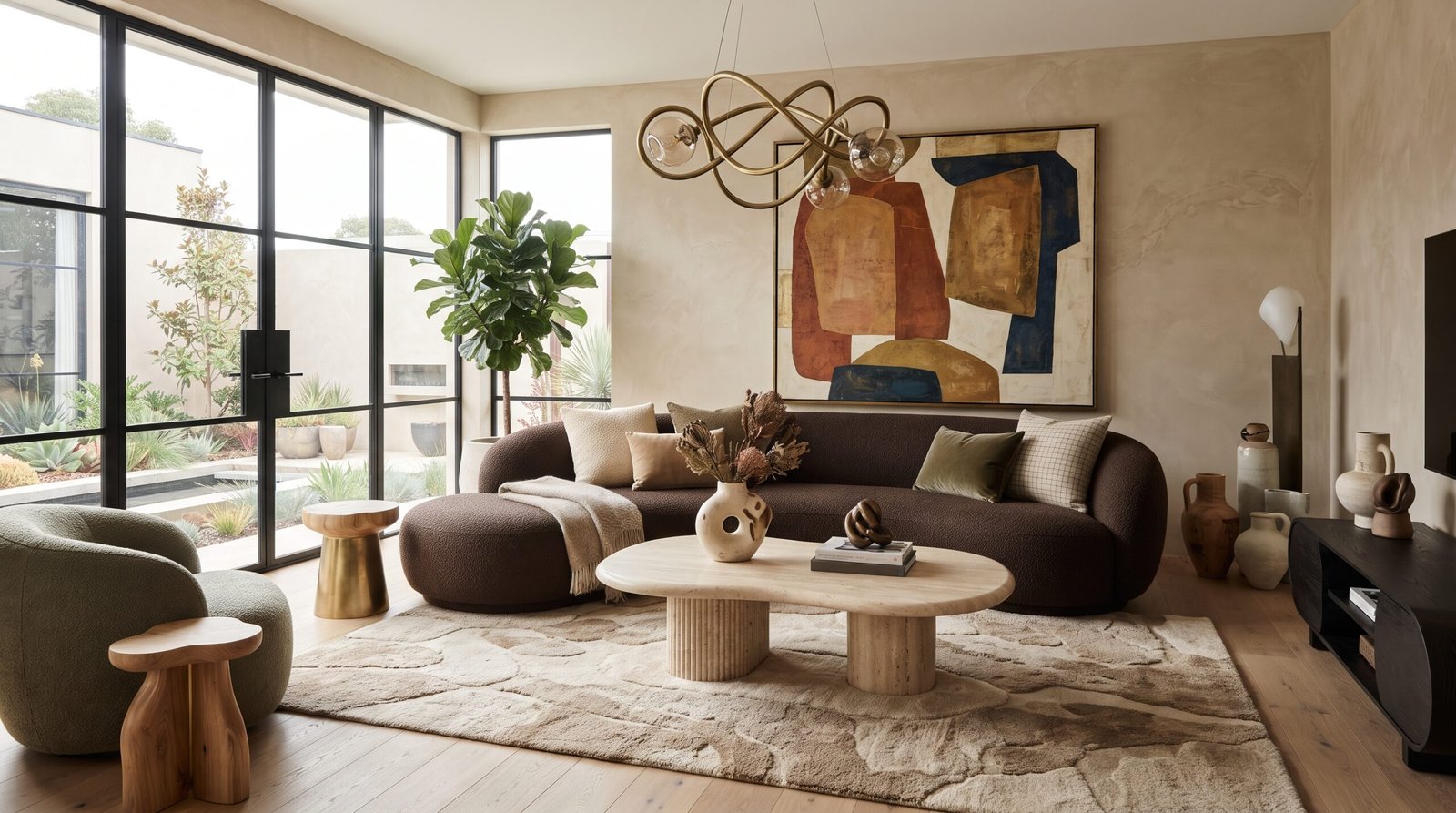
You do not need to follow a single design category. Modern, Scandinavian, minimalist, traditional, bohemian, and contemporary interiors can share elements when the proportions and finishes are considered carefully.
- Modern and natural: pair clean-lined furniture with wood, linen, and handmade ceramics.
- Minimalist and cozy: keep the number of objects low but introduce soft textiles and warm lighting.
- Traditional and contemporary: combine a classic wooden piece with simpler artwork and updated lighting.
- Bohemian and organized: use layered textiles and collected accessories while keeping storage and walking routes clear.
A useful guideline is to choose one main style, one supporting influence, and a small number of repeated colors or materials. This creates variety without making the room feel disconnected. The exact balance can change from room to room, especially in homes where family members have different tastes.
12. A Simple Room-by-Room Decorating Plan
If you are unsure where to begin, use this checklist to plan one room at a time. Completing a small project can be more manageable than trying to redecorate the entire home at once.
Living room
Improve seating arrangement, coordinate cushions, introduce layered lighting, and edit coffee-table accessories.
Bedroom
Refresh bedding, clear bedside surfaces, add useful reading lights, and improve clothing storage.
Kitchen
Clear worktops, organize everyday tools, coordinate textiles, and refresh cabinet details where suitable.
Bathroom
Coordinate towels, add practical storage, use moisture-appropriate accessories, and keep ventilation in mind.
Entryway
Create a landing spot for keys, add a suitable mirror or artwork, and keep shoes and bags organized without narrowing the path.
How to Choose Home Decor That Lasts Beyond 2026
Trends can offer inspiration, but the strongest interiors are built around lasting needs. Before buying a popular color, decorative object, or furniture shape, ask whether it works with your existing items and whether you will enjoy it after the trend changes.
Use trends in easy-to-update details such as cushion covers, artwork, table accessories, or small lamps. For costly purchases—sofas, flooring, cabinets, and beds—prioritize comfort, quality, repairability, and measurements. This approach reduces waste and helps you avoid replacing items simply because your taste has evolved.
For additional inspiration, browse the ideas and guides on The Home Decor Idea. Adapt any suggestion to your room size, budget, accessibility needs, and personal style rather than copying a photograph exactly.
Frequently Asked Questions About Home Decor Ideas 2026
What are the home decor trends for 2026?
Useful directions to explore include natural textures, warm neutral colors, personal accessories, layered lighting, flexible furniture, and more thoughtful storage. Choose the ideas that fit your home rather than treating every trend as a requirement.
How can I make my home look modern in 2026?
Start with a clear layout, a coordinated color palette, simple furniture lines, layered lighting, and a few well-chosen accessories. You can update an existing room without replacing everything.
What colors are good for home decor in 2026?
Warm white, beige, sand, muted green, earthy brown, and clay tones are versatile options. Soft blue and gentle gray can also work well. Test colors in your actual lighting before making a final decision.
How can I decorate my home on a small budget?
Declutter, rearrange existing furniture, move accessories between rooms, update textiles, and improve lighting. Purchase new items only after identifying a specific problem that needs solving.
How do I make a small room look bigger?
Use appropriately sized furniture, keep walkways clear, coordinate colors, add suitable lighting, and use mirrors where they reflect light or a pleasant view. Multifunctional furniture can also reduce clutter.
How do I make my living room look expensive without spending much?
Keep the room tidy, coordinate colors, use a few quality-looking textures, arrange furniture intentionally, and layer lighting. A consistent, well-maintained space often looks more polished than one filled with mismatched accessories.
Which home decor items should I buy first?
Start with items that improve daily comfort or solve a real problem, such as appropriate lighting, functional storage, useful curtains, or a rug that fits the seating area. Decorative accessories can come later.
How often should I change my home decor?
There is no required schedule. Refresh small details when your needs or preferences change, and keep durable furniture and finishes for as long as they remain safe, comfortable, and suitable.
Can I mix modern and traditional home decor?
Yes. Use a consistent color palette, repeat a few materials, and let one style lead while the other adds character. A traditional wooden cabinet can work well with contemporary artwork and simple lighting.
What is the easiest way to refresh a room?
Remove unnecessary clutter, change the furniture arrangement, improve lighting, and update a small number of textiles or accessories. These steps are affordable starting points before a larger redesign.
Final Thoughts: Create a Home That Feels Like You
The best home decor ideas for 2026 are the ones that make your home more comfortable, functional, and personal. A coordinated palette, natural textures, practical furniture, thoughtful lighting, and meaningful details can transform a room without requiring a full renovation.
Start with one space and make a short list of what is working and what is not. Set a budget, reuse what you already own, and introduce new pieces only when they serve a clear purpose. Over time, these small, considered decisions can create a home that looks cohesive and feels genuinely welcoming.
Ready to Refresh Your Home?
Explore more decorating inspiration, practical styling tips, and ideas for creating a home that reflects your personality.
Explore The Home Decor IdeaAbout This Guide
This guide is designed as general home decorating information, with practical suggestions for color, layout, lighting, storage, and budget planning. Recommendations should be adapted to the home’s dimensions, local conditions, product specifications, and individual needs.
Editorial note: Review product dimensions, installation instructions, cleaning requirements, and safety guidance before purchasing or installing decor items. For electrical or structural work, consult an appropriately qualified professional.
3 thoughts on “Home Decor Ideas 2026”