
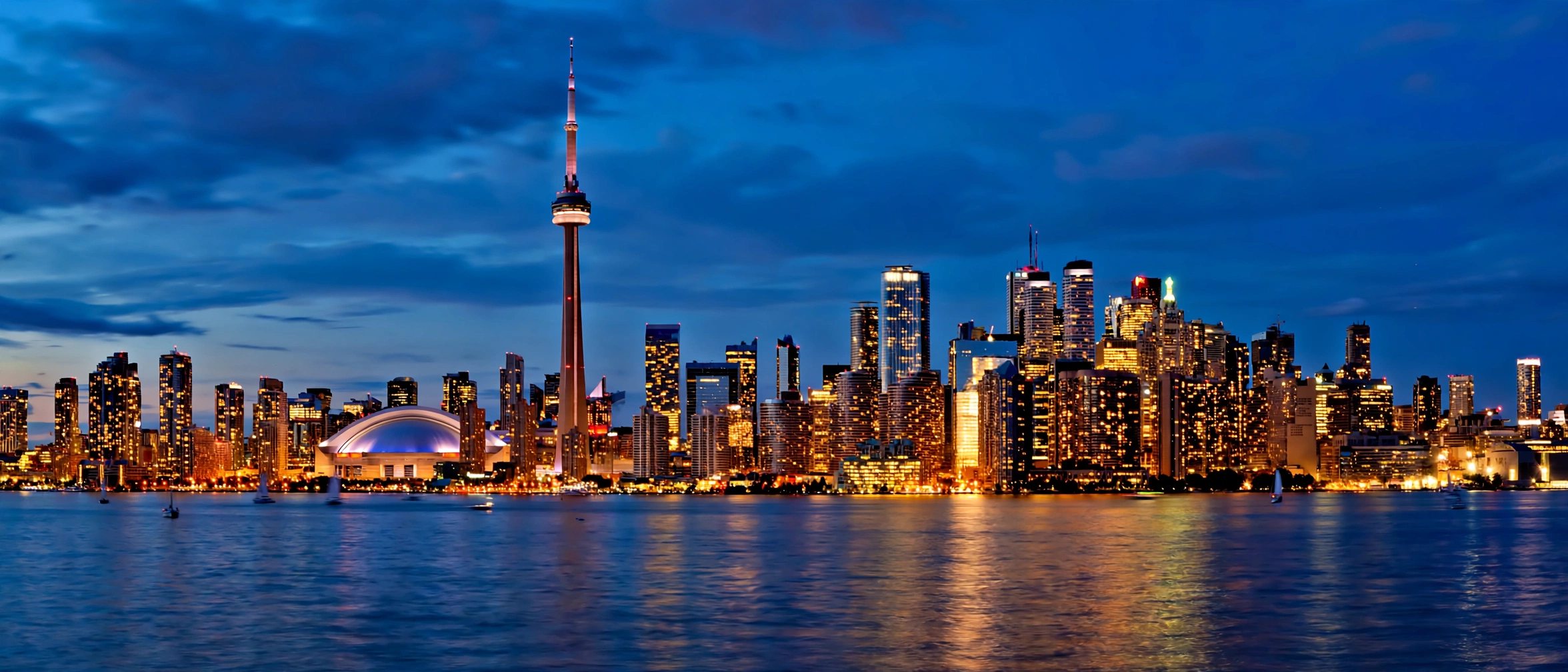

You see a missed call from a number starting with 647, and the first question is always the same: where is that? The 647 area code belongs to Toronto, Ontario, in Canada. It is an overlay code, which means it shares the same geographic area as Toronto’s older codes, 416 and 437, and it has been in use since 2001. If you are getting calls from a 647 number, they are coming from the Greater Toronto Area — or at least from someone using a Toronto number. This guide explains where 647 covers, why Toronto has three area codes, what a call from 647 usually means, and how to deal with the spam calls that use it.
- The 647 area code covers Toronto, Ontario, Canada — the same area as 416 and 437.
- It is an overlay code introduced in 2001 when 416 numbers started running out.
- A 647 number does not guarantee the caller is in Toronto — numbers can be used anywhere via VoIP.
- Most 647 calls are legitimate Toronto businesses or residents; some are spam or scam calls spoofing the code.
- Never call back an unknown 647 number that left no voicemail — look it up first.
647 Area Code: Where Is It From?
The 647 area code is a telephone area code for Toronto, Ontario, Canada. It covers exactly the same area as the city’s original 416 code and the 437 overlay: the City of Toronto itself, from Etobicoke in the west to Scarborough in the east, and from the lakefront up to Steeles Avenue. It does not cover the wider Greater Toronto Area suburbs like Mississauga, Brampton, or Markham, which have their own codes — 905 and 289 for those areas. If you see a 647 number, the caller is using a Toronto number, and in most cases they are in Toronto.
The code was introduced on March 5, 2001, as an overlay, which is the telephone industry’s solution when a city runs out of numbers. Instead of splitting Toronto into two areas with different codes, the phone companies simply added 647 on top of the existing 416 area, so new numbers in the same city could use either code. That is why Toronto now has three codes for one city: 416 (the original, from 1947), 647 (2001), and 437 (2013, the second overlay). All three cover the same streets, and a 647 number is no more or less “Toronto” than a 416 number — although 416 numbers, being older and scarcer, have a certain local status. If you are curious about other codes, our 833 area code guide explains a very different kind of number: a toll-free code that belongs to no city at all.
Why Does Toronto Have Three Area Codes?
It comes down to simple maths. A single area code can hold about 7.9 million numbers, and Toronto — a city of nearly 3 million people, each with a mobile, a work number, and often a second line — burned through its original 416 allocation decades ago. Every mobile phone, every business line, every fax machine and alarm system needs a number, and the demand has only grown. The 647 overlay in 2001 bought the city another 7.9 million numbers, and by 2013 even that was running short, so 437 was added.
Overlays have one practical consequence that still catches people out: you must dial all ten digits for every call, even to a number across the street. That is because the same seven-digit number can now exist under three different area codes, so the area code is the only thing that tells the network which one you mean. It is a small inconvenience, but it is the reason your phone insists on the full number. The same system is used in most big North American cities now — New York, Los Angeles, and Chicago all have multiple overlay codes for the same reason.
Is 647 a Toronto code or a scam code?
It is a genuine Toronto code, but like every area code, it gets used by scammers. The reason is simple: scammers spoof local numbers because people are more likely to answer a call that looks local. A 647 number on your screen means the caller is using a Toronto number, but it does not prove they are in Toronto — internet calling lets anyone in the world display any number they like. The code itself is legitimate; the caller may not be. The test is always the same: a real Toronto business will leave a voicemail, identify itself, and give you a way to call back on a published number. A scammer will pressure you, ask for personal information, or tell you to act immediately.
Who Is Calling From a 647 Number?
Most of the time, it is exactly who you would expect: a Toronto resident, a Toronto business, a delivery driver, a doctor’s office, or a company with a Toronto call centre. Toronto is Canada’s largest city and its business capital, so 647 numbers show up in every context — banks, airlines, government offices, and small businesses all use them. If you have recently applied for a job, ordered something, or booked an appointment with a Toronto company, a 647 call is probably that.
But the code is also heavily used by spam and robocalls, for the same reason it is used by legitimate businesses: it looks local to millions of people. The most common 647 spam calls are the usual ones — fake CRA or tax calls, parcel delivery scams, duct cleaning offers, and “your computer has a virus” calls. None of these are specific to 647; they use every area code. The pattern to watch for is the same everywhere: an unknown number, no voicemail, and a callback that leads to a demand for money or information. If you want to check a number before calling back, a reverse lookup will usually tell you whether it belongs to a real business. Our Wi-Fi guide is a different topic, but the same principle applies: if something asks for more access than it needs, walk away.
How to Block Unwanted 647 Calls
If you are getting repeated spam from 647 numbers, your phone already has the tools to stop most of it. On iPhone, the “Silence Unknown Callers” setting sends any number not in your contacts straight to voicemail — legitimate callers leave a message, spam callers do not. On Android, the Phone app’s spam filter does the same thing, and Google’s Call Screen feature can answer unknown numbers for you and show you a transcript before you pick up. Both are free and built in, and they cut spam calls dramatically.
Your carrier can help too. Most Canadian carriers offer free spam filtering, and the CRTC runs the National Do Not Call List, which legitimate telemarketers must respect — although it does not stop scammers, who ignore it by definition. The honest truth is that you cannot block an area code entirely, and you should not want to: 647 is a real code used by millions of real people. Block the specific numbers that spam you, silence the unknown ones, and let the voicemail test do the rest. For more on handling unknown numbers and staying safe online, our Substack guide is about newsletters, but the same habit applies: verify before you trust.
Frequently Asked Questions
What city is the 647 area code?
Toronto, Ontario, Canada. The 647 area code covers the City of Toronto, the same area as the 416 and 437 codes.
Is 647 a scam area code?
No. 647 is a legitimate Toronto area code, in use since 2001. Scammers sometimes spoof 647 numbers because they look local, but the code itself is genuine.
When was the 647 area code introduced?
March 5, 2001, as an overlay to the 416 code, when Toronto started running out of 416 numbers. The 437 overlay followed in 2013.
Should I answer a call from a 647 number?
If you are expecting a call from Toronto, yes. If not, let it go to voicemail — a legitimate caller will leave a message, and you can call back on a verified number.
What is the difference between 416, 647, and 437?
Nothing geographic — all three cover the same area, the City of Toronto. 416 is the original code from 1947, 647 was added in 2001, and 437 in 2013. The difference is only when the number was issued.
The 647 area code is Toronto, plain and simple — a real code for a real city, in use since 2001. Most calls from it are exactly what they look like. The ones that are not will fail the voicemail test, and that is all you need to know to tell them apart.