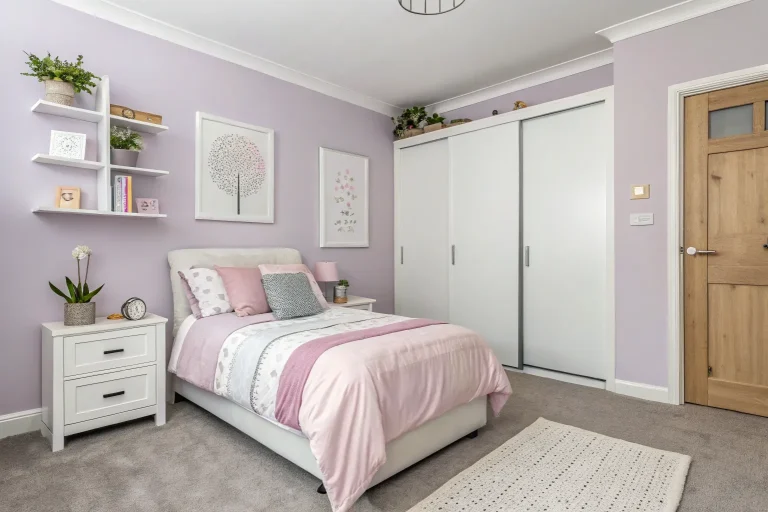
25 Small Bedroom Ideas for Kids That Look Cute Too

So, you’re on a mission to turn your kid’s tiny room into something magical, huh? I get it. Small spaces can be tricky, but they don’t have to be dull or cramped. Whether your kid is obsessed with dinosaurs, space, or even gaming (yup, I see you, fellow gamer parents!), you can still create a space that’s both functional and fun. And let’s be real – that’s the dream, right? Let’s dive into these 25 small bedroom ideas for kids that’ll have them excited to get some shut-eye (or play for hours).
1. Maximize Vertical Space
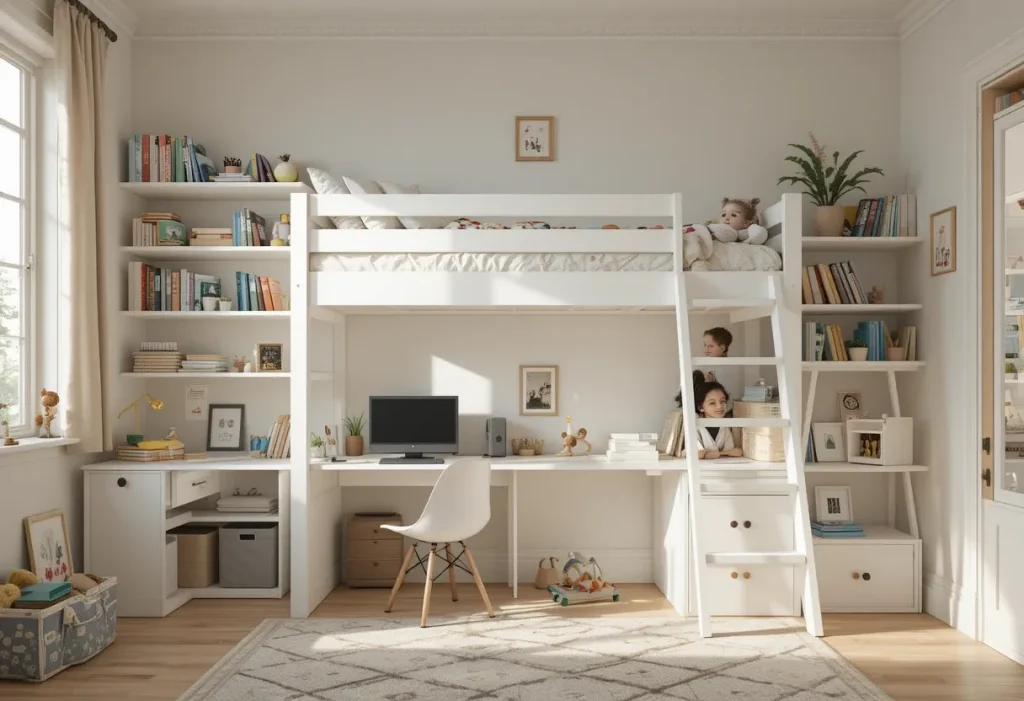
When working with a small bedroom, it’s crucial to utilize every inch of space. One of the easiest and most effective ways to do this is by maximizing vertical space. Installing floating shelves or using lofted beds can free up precious floor area, creating more room for play or storage. Floating shelves are ideal for keeping toys, books, or even artwork off the ground, helping maintain a clean and organized environment. The cost for this idea is generally low, as shelves can be found for as little as $30 to $100, depending on size and material. Lofted beds can be more expensive, ranging from $150 to $500.
Pro Tip: Always ensure that shelves are securely mounted to avoid accidents.
- Use sturdy brackets or anchors for the shelves.
- Opt for shelves that can hold heavy items like books or toys.
- Lofted beds with a desk or play area underneath maximize both function and fun.
- Keep the shelves easily accessible for your child.
- Make sure to clean the shelves regularly to prevent dust buildup.
2. Transform with Themed Walls
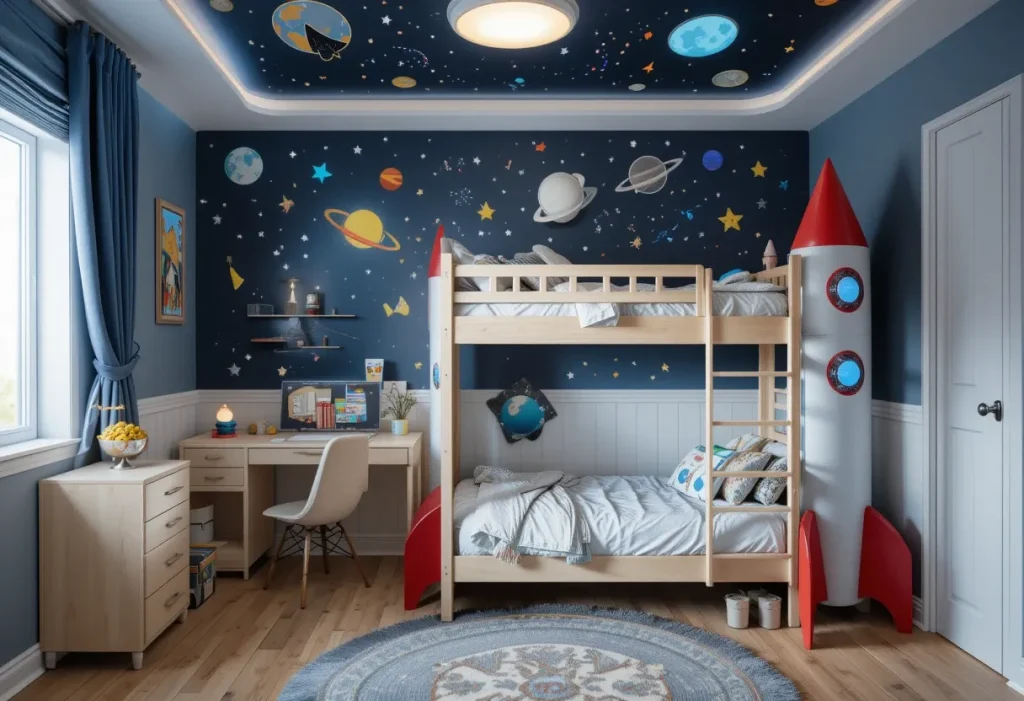
If you want to give the room a unique vibe, consider transforming one or more walls with a theme. Whether it’s a jungle, outer space, or a superhero-inspired room, a themed wall adds personality to a small space. Murals, wallpapers, or wall decals are great choices for creating a dynamic atmosphere. This idea can range from inexpensive, where wall decals cost about $20 to $50, to more expensive options like murals that can cost $200 to $500.
Pro Tip: Choose themes that can evolve as your child grows.
- Use peel-and-stick wallpaper for a no-fuss, changeable design.
- Stick to one accent wall to avoid overwhelming the space.
- Select themes that reflect your child’s current interests.
- Make sure the wallpaper is non-toxic and safe for kids.
- Avoid dark or too busy patterns that may make the space feel cramped.
3. Storage Solutions
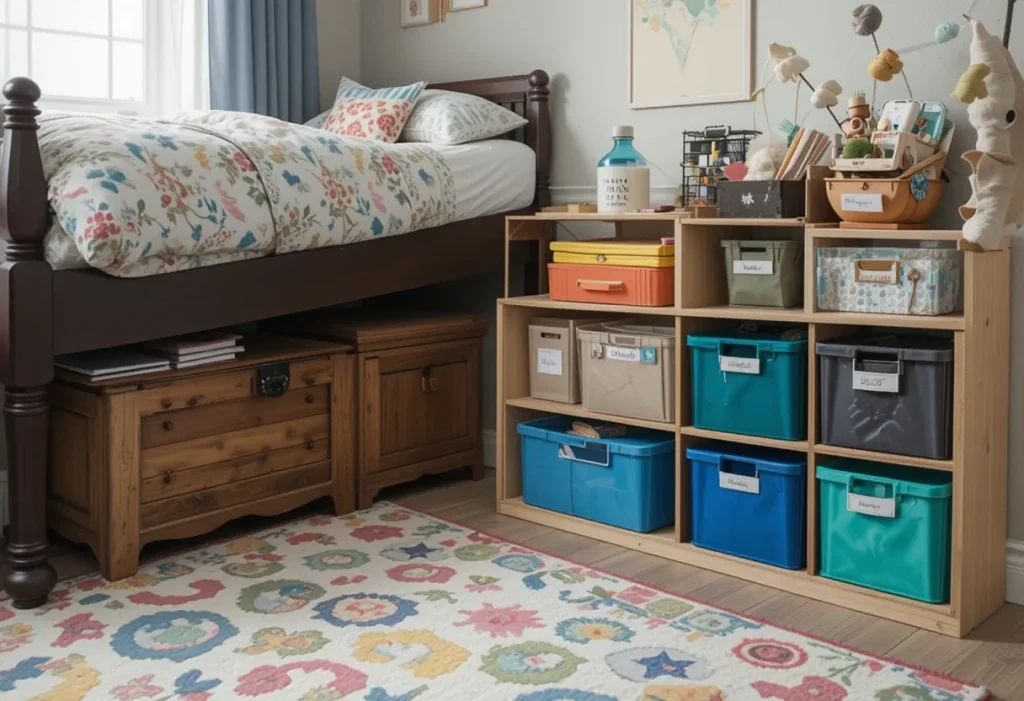
Kids tend to have a lot of stuff, and a small room can quickly turn into a cluttered mess. Storage solutions, such as under-bed storage bins, toy chests, and closet organizers, can help keep the room tidy while maximizing the available space. This idea is relatively inexpensive, with under-bed storage bins costing around $15 to $40, while toy chests may range from $50 to $150. For more advanced storage solutions, custom built-ins can go up to $500 or more.
Pro Tip: Label bins or boxes to make cleanup easier for your child.
- Choose storage items that complement the room’s theme.
- Use stackable bins to organize smaller items.
- Opt for furniture with hidden storage compartments.
- Always make sure your child can easily access their storage.
- Consider multi-functional furniture that doubles as storage.
4. Multi-Functional Furniture
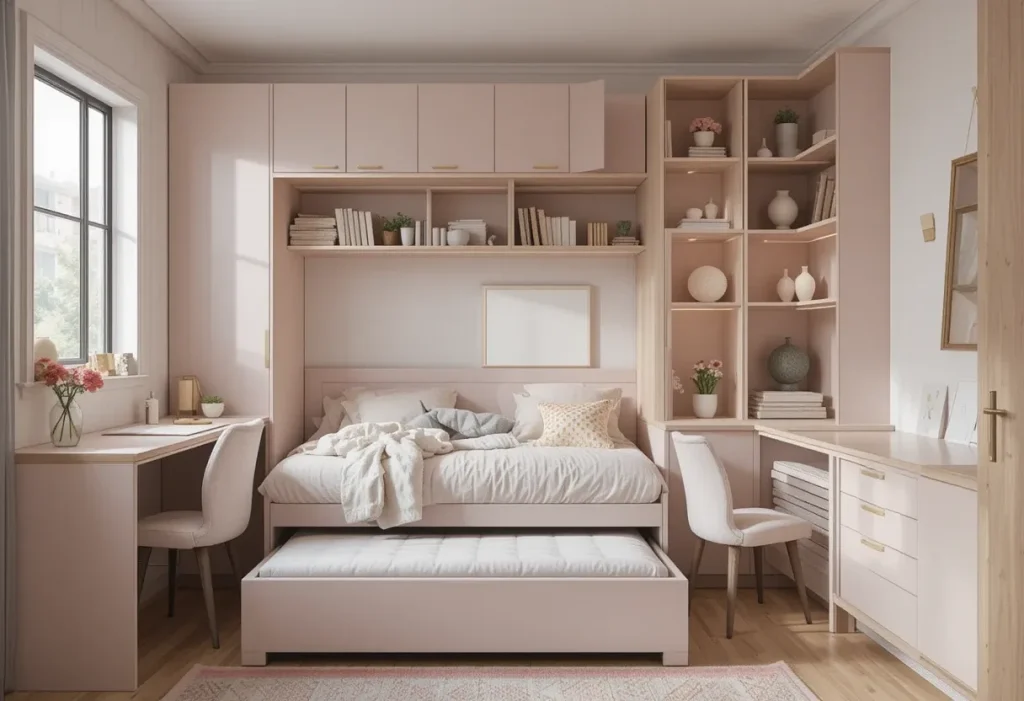
Multi-functional furniture is a game-changer in a small bedroom. Items like fold-out desks, trundle beds, or convertible chairs can adapt to different needs throughout the day. For example, a fold-out desk that hides away when not in use saves space during playtime but provides a workspace when needed. The cost for this idea can vary, with items like fold-out desks ranging from $80 to $250, and trundle beds starting around $150 to $400.
Pro Tip: Choose furniture that can serve multiple purposes to optimize space.
- Make sure the convertible furniture is easy for your child to use.
- Opt for furniture that complements the room’s design.
- Select furniture with built-in storage to further maximize space.
- Consider items that can grow with your child.
- Use pieces that are lightweight for easy movement when needed.
5. Bed Design with a Twist

If you’re looking to make a bold statement, go beyond the basic bed and choose one with a unique design. Beds shaped like cars, castles, or treehouses instantly turn the room into a playground. These fun beds not only offer a playful vibe but also serve as a central feature in the room. Expect to pay between $200 and $500 for these specialized bed designs, depending on the size and complexity.
Pro Tip: Make sure the bed design is sturdy and safe.
- Ensure the bed is made from high-quality, durable materials.
- Pick a design that suits your child’s personality and interests.
- Avoid sharp edges or corners for safety.
- Select a bed with built-in storage or a play area to maximize functionality.
- Check that the bed’s size fits within the available room space.
6. Fun Lighting Solutions
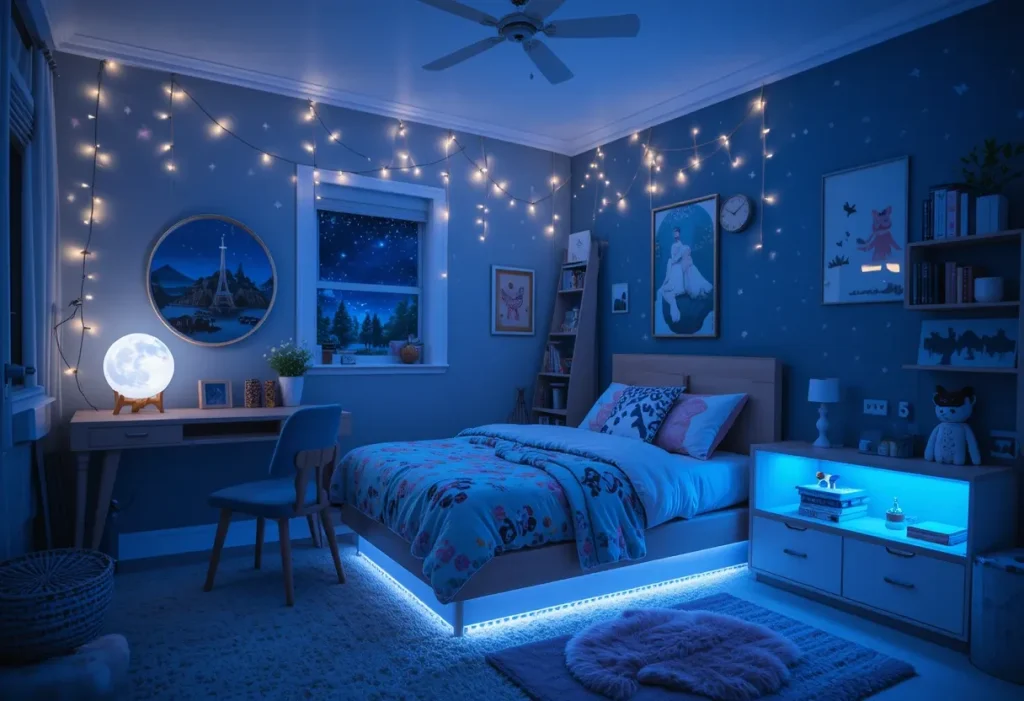
Lighting is a simple yet effective way to enhance the atmosphere in a small room. Use fairy lights, colorful lamps, or glow-in-the-dark stars to create a cozy and magical environment. Lighting fixtures can range from $20 for string lights to $100 for more elaborate lamps.
Pro Tip: Use lighting to set the mood and create a sense of comfort.
- Choose energy-efficient LED lights to save on electricity.
- Hang fairy lights around the bed or shelving for a whimsical touch.
- Go for dimmable lights to adjust the ambiance based on the time of day.
- Add wall sconces or table lamps to create layers of light.
- Keep the lighting fixtures away from places where your child could reach them.
7. Wall Mirrors to Make the Room Appear Larger
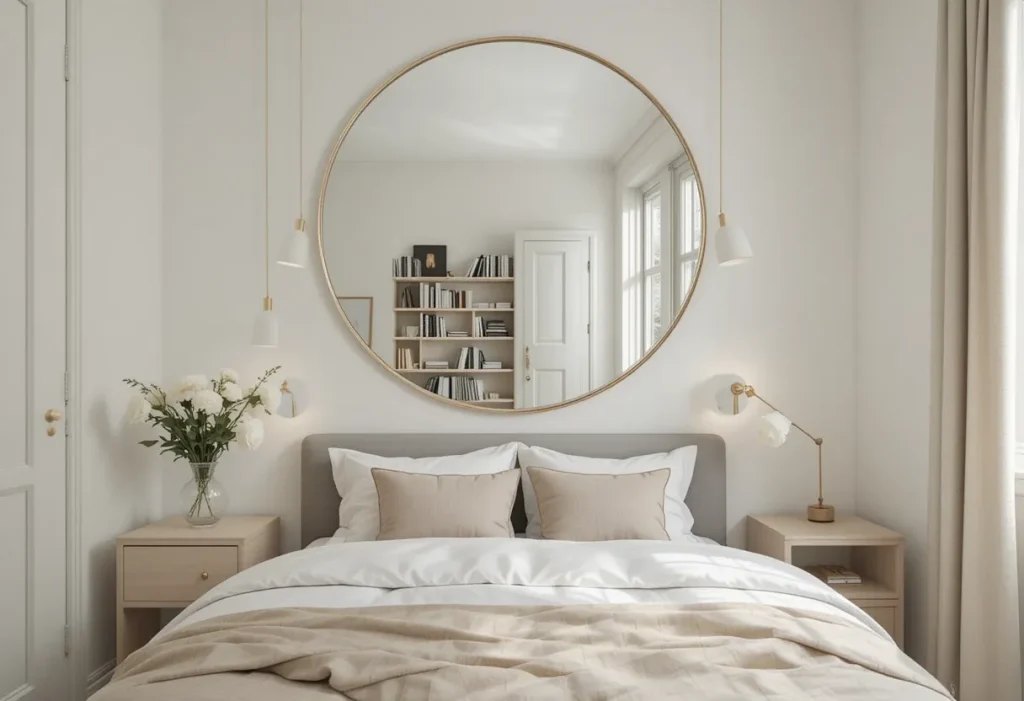
Mirrors are not only practical but can also make a small room feel bigger and brighter. A well-placed mirror reflects light, which creates the illusion of more space. Wall mirrors are relatively inexpensive, with options starting at around $30, but larger or decorative mirrors can cost up to $200.
Pro Tip: Place mirrors across from windows to reflect natural light.
- Choose mirrors that suit the room’s theme and style.
- Use multiple small mirrors to create a gallery wall effect.
- Avoid large mirrors that may overwhelm the space.
- Ensure mirrors are securely mounted on the wall for safety.
- Use mirrors to reflect unique or decorative elements in the room.
8. Personalized Décor
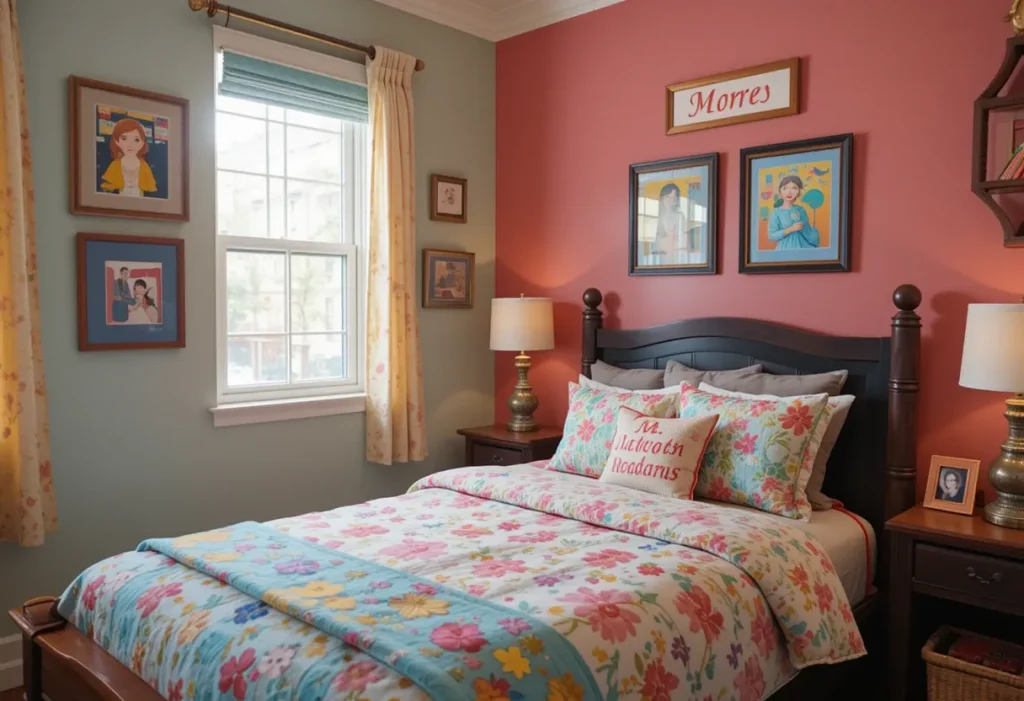
Adding personal touches to the room can make it feel more like your child’s own space. Custom wall art, name plaques, or monogrammed items bring a sense of ownership and comfort. These items can be fairly affordable, ranging from $20 to $100 depending on the type of décor you choose.
Pro Tip: Incorporate your child’s favorite colors and hobbies in the décor.
- Personalize bedding or pillows with your child’s name or initials.
- Use framed artwork or photos to display memories.
- Add a chalkboard or whiteboard for interactive creativity.
- Choose items that reflect your child’s personality and interests.
- Ensure the décor is age-appropriate and can grow with your child.
9. Bold Colors for a Fun Atmosphere

Bold colors can make a big impact in a small room, giving it energy and vibrancy. Opt for accent walls in bright shades like yellow, green, or navy to make the room feel alive. Painting an accent wall generally costs around $50 to $150 for materials.
Pro Tip: Stick to one bold color to avoid overwhelming the space.
- Pair bold walls with neutral furniture to balance the look.
- Consider using removable wallpaper for easy changes.
- Choose colors that complement your child’s personality.
- Use smaller accents in the same color to tie the room together.
- Avoid dark colors in small rooms as they can make them feel cramped.
10. Layered Rugs for Texture and Warmth

Rugs are an easy way to add texture, warmth, and personality to a room. Layering rugs in different shapes and sizes creates depth and makes the space feel more inviting. Expect to spend about $50 to $150 on quality rugs, depending on size and material.
Pro Tip: Choose rugs that are easy to clean and maintain.
- Opt for non-slip rugs for safety.
- Layer rugs in areas with high foot traffic to prevent wear.
- Pick rugs that complement the room’s color palette.
- Use rugs to define specific areas, like a play zone or reading nook.
- Make sure the rugs are soft and comfortable for your child to sit on.
11. Utilize Wall-Mounted Shelving
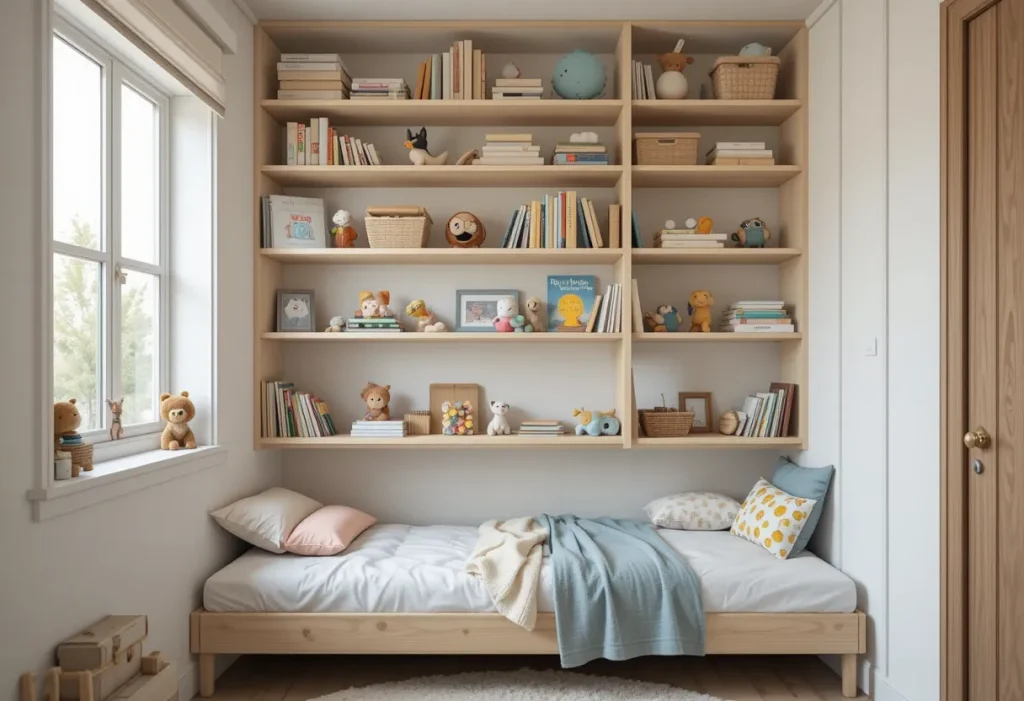
When you’re low on floor space, wall-mounted shelves are your best friend. They’re perfect for holding books, toys, or even decorative items without taking up valuable space. These can cost as little as $30 for basic shelves and can go up to $200 for custom-made units.
Pro Tip: Install shelves at a height that your child can easily reach.
- Use floating shelves to keep the design sleek and modern.
- Organize items by category to reduce clutter.
- Consider adjustable shelving for future flexibility.
- Choose shelves that match the room’s overall aesthetic.
- Add baskets or bins on shelves to store smaller items.
12. Create a Playful Wall Décor

For kids, the room should be a place where imagination runs wild. Adding playful wall décor such as decals, stencils, or DIY art is a fun way to engage your child’s creativity. Wall decals are inexpensive, often ranging from $15 to $50 depending on size and complexity.
Pro Tip: Choose decals that can be removed easily for future updates.
- Pick removable decals to avoid permanent damage to the walls.
- Consider stencils for a more personalized touch.
- Stick to one theme for wall décor to keep things cohesive.
- Make sure the decals are made from non-toxic materials.
- Use decals to highlight different areas of the room, like a play corne
13. Wall Hooks for Extra Storage

Wall hooks are an inexpensive and practical solution to free up valuable floor space in a small bedroom. They can be used for hanging backpacks, jackets, hats, or even toys, which makes the room more organized and functional. Wall hooks are cheap, typically costing between $10 and $30 for a set of durable ones. Adding hooks not only helps maintain order, but it also provides easy access for your child’s daily essentials. Plus, they add a cool, quirky element to the room’s design.
Pro Tip: Install hooks at your child’s height to make them accessible.
- Use hooks for school bags, coats, and hats to keep them off the floor.
- Opt for decorative hooks that add to the room’s theme.
- Install multiple hooks in one area for maximum storage.
- Consider lockable hooks for safety when storing valuables.
- Regularly check hooks for stability and ensure they’re securely mounted.
14. Secret Hideaways

Every kid loves a secret hideaway, and a small room is the perfect place to create one. A play tent, canopy, or under-bed fort can transform any corner into a cozy, private space where your child can retreat to. This idea is affordable, as small tents or canopies usually cost between $20 and $100. Creating a secret hideaway adds an element of adventure and independence, giving your child a quiet space to read, play, or daydream without leaving their room.
Pro Tip: Ensure the hideaway is easy to set up and take down.
- Use a canopy or tent that fits easily into the available space.
- Keep the hideaway cozy with pillows, blankets, and soft lighting.
- Make sure the area is safe and free from potential hazards.
- Choose a design that complements the rest of the room’s decor.
- Allow your child to personalize the space with their favorite items.
15. Bunk Beds with a Twist
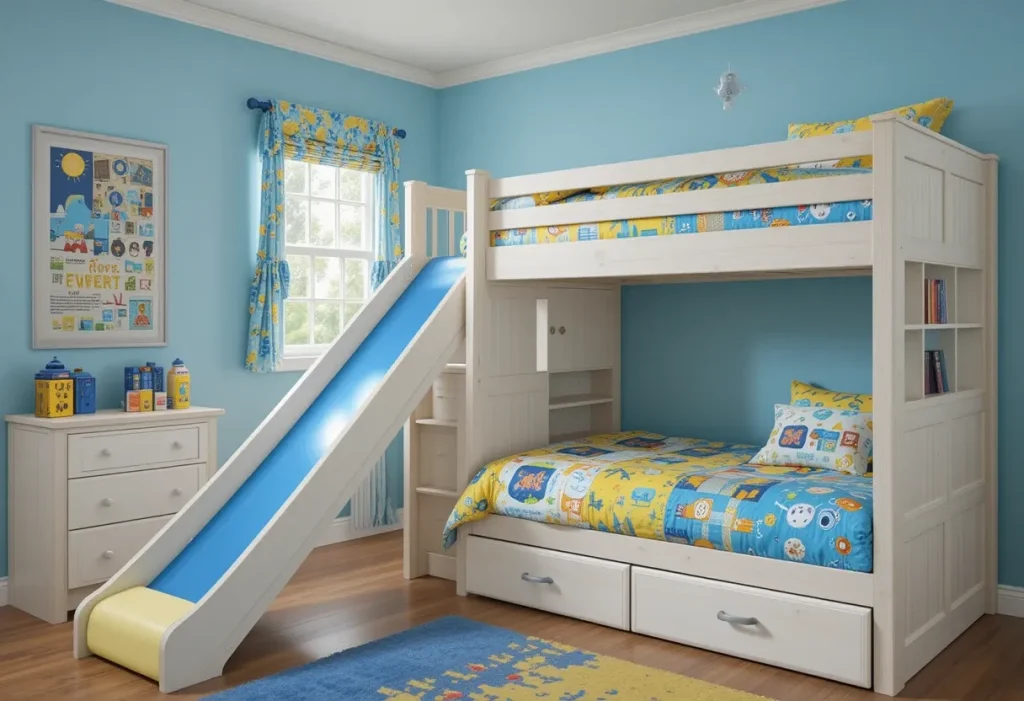
If you’re working with more than one child in the same small room, bunk beds can be a great way to maximize sleeping space. But why stop at the standard design? Choose a bunk bed with extra features like a built-in desk, storage drawers, or a slide. These more specialized designs can cost between $200 and $600, depending on complexity and material. Bunk beds with added features not only provide more sleeping space but also introduce more fun into the room, making bedtime something your kids will look forward to.
Pro Tip: Ensure the top bunk has safety rails to prevent accidents.
- Choose a bunk bed with built-in storage to maximize space.
- Make sure the ladder is easy to climb and safe for your child.
- Pick designs with fun features like slides or tents to increase playtime enjoyment.
- Consider a reversible bunk bed if you ever want to switch the layout.
- Look for sturdy materials like solid wood or metal for durability.
16. Wall-Mounted Lamps
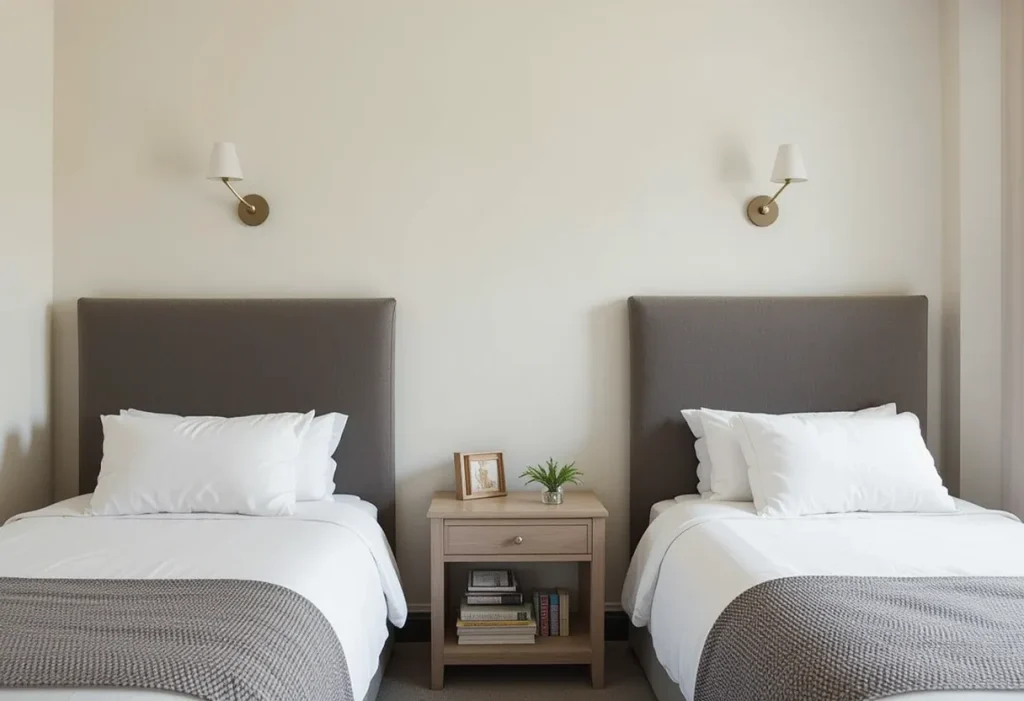
Wall-mounted lamps are perfect for saving space while still providing the necessary lighting. They’re an elegant and space-saving alternative to bulky bedside tables or floor lamps. These lamps typically range from $25 to $100, depending on the style and quality. Wall-mounted lamps are a practical addition to a kid’s room, especially when floor space is at a premium, and they give the room a more sophisticated, streamlined look. Plus, they’re great for reading or nighttime routines.
Pro Tip: Make sure the lamp’s brightness is adjustable for different moods.
- Install the lamp at a comfortable height for your child to reach.
- Choose a design that matches the room’s aesthetic and lighting needs.
- Use energy-efficient bulbs to keep costs down.
- Ensure the fixture is installed securely to prevent accidents.
- Consider a swing-arm lamp for flexible positioning.
17. Use a Curtain to Divide the Room

If you need to create designated areas for different activities in a small space, a curtain is an easy and inexpensive solution. Installing a curtain rod or tension rod across the room can help divide the space into sections, such as a study area or a play zone. This can cost anywhere from $10 to $50 for a simple curtain and rod setup. The best part? It’s temporary and can be easily adjusted or removed as your child’s needs evolve.
Pro Tip: Choose a light, flowy curtain to keep the room feeling open.
- Use neutral colors or patterns to keep it from overwhelming the space.
- Consider blackout curtains for a quiet, darkened space during nap time.
- Install a tension rod if you don’t want to drill holes into the wall.
- Make sure the curtain is child-safe and can’t easily be pulled down.
- Regularly wash the curtains to maintain their look and feel.
18. DIY Art Corner
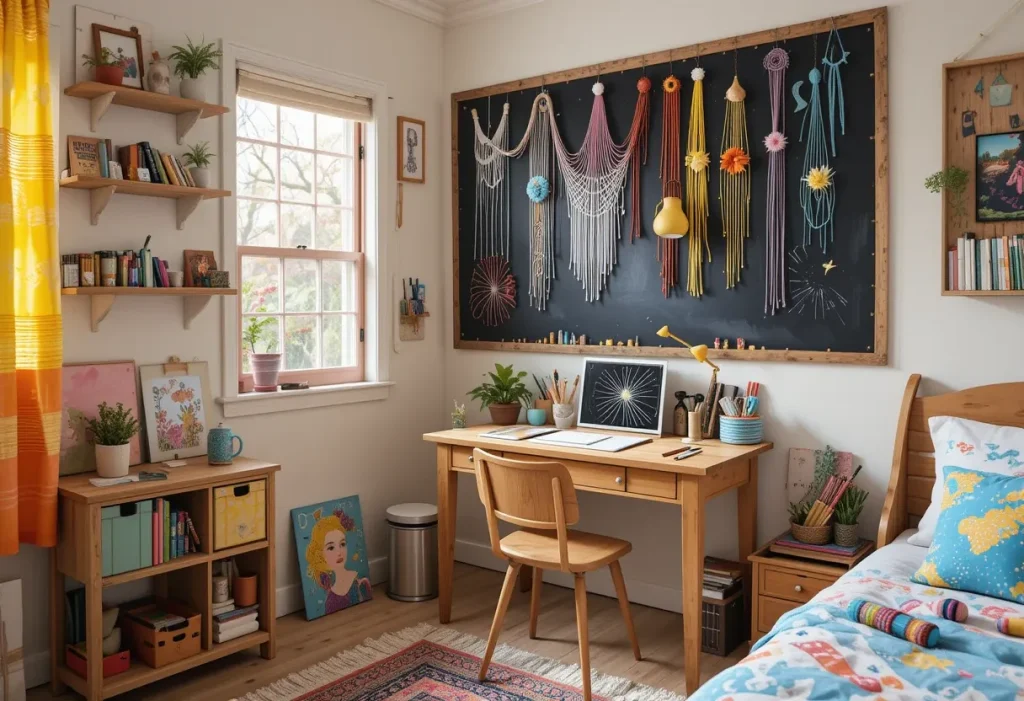
An art corner can encourage your child’s creativity while also making use of wall space. You can set up a small art station with a table, easel, and a few storage units for paints, crayons, and paper. This setup usually costs about $40 to $150 depending on the quality of materials. The art corner provides a creative outlet, encourages self-expression, and helps keep your child busy for hours. Plus, it adds a personal touch to the room as your child can hang up their own creations.
Pro Tip: Keep art supplies organized in accessible containers.
- Set up a designated area to keep art supplies contained and tidy.
- Use a chalkboard or whiteboard wall for endless creativity.
- Display your child’s artwork to personalize the space.
- Store supplies in a way that encourages independence and easy cleanup.
- Consider washable paint and markers to minimize mess.
19. Desk Nooks
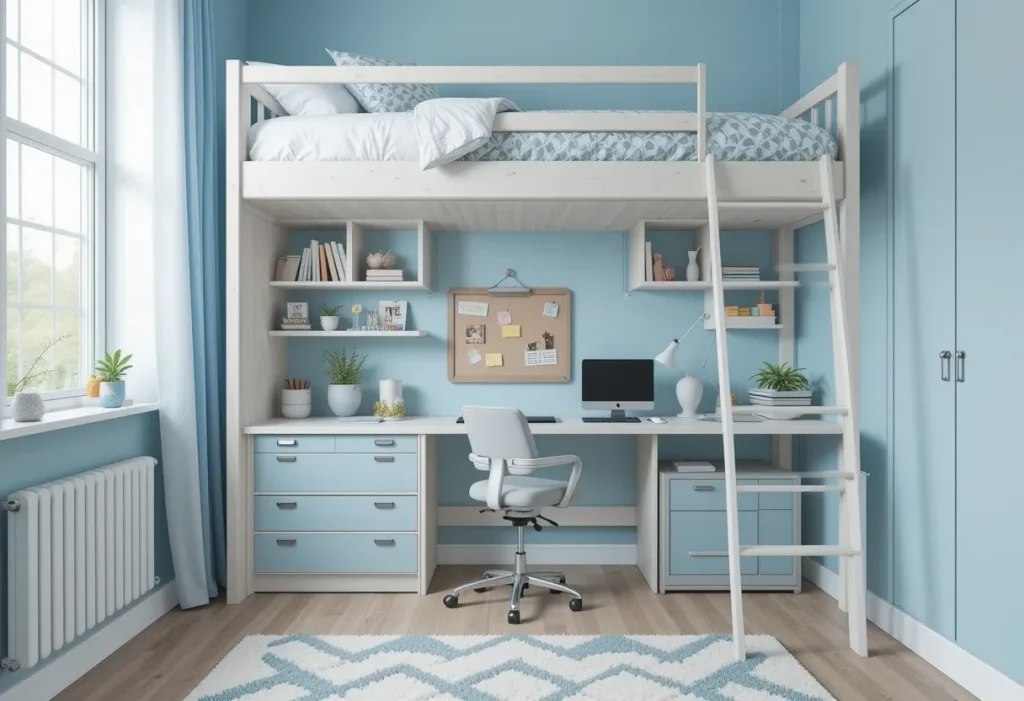
For kids who need a place to study or work on crafts, a desk nook is a great solution. A desk tucked into a corner, under a lofted bed, or even mounted to the wall saves space while providing a functional workspace. The cost for a simple desk nook can range from $50 to $200, depending on the design and materials. A desk nook keeps your child organized and ensures they have a quiet place for homework or hobbies without taking up too much room.
Pro Tip: Make sure the desk is at the right height for comfort and ergonomics.
- Use wall-mounted desks to save even more space.
- Consider storage solutions like shelves or drawer units for supplies.
- Add a comfortable chair that doesn’t take up too much space.
- Decorate the desk with items that inspire your child.
- Keep the desk clutter-free to promote focus and productivity.
20. Playful Bedding

Bedding is one of the simplest ways to add personality to your kid’s room. Go beyond plain sheets and comforters by selecting themed bedding that fits your child’s favorite characters or interests. Fun, colorful bedding can cost anywhere from $20 to $80, depending on the brand and materials. Playful bedding not only enhances the room’s aesthetic but also helps make your child’s bed a fun, inviting place to sleep. Plus, it’s a quick and easy update to the room when your child’s interests change.
Pro Tip: Mix and match different patterns and textures for a more dynamic look.
- Choose bedding made from easy-to-wash fabrics like cotton or microfiber.
- Opt for reversible bedding for two looks in one.
- Match pillows and throws to tie the look together.
- Ensure the bedding is hypoallergenic and safe for sensitive skin.
- Update the bedding regularly to keep the room feeling fresh.
21. Wall-Mounted Storage Baskets
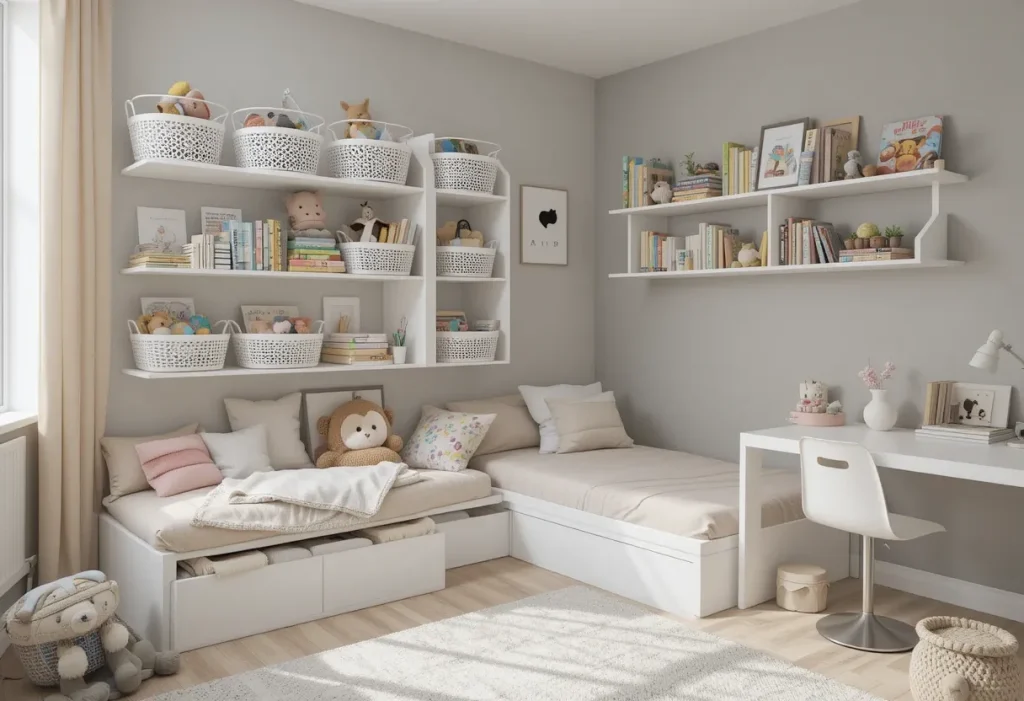
Wall-mounted baskets are a great way to organize toys, books, or craft supplies while keeping the floor clear. They are easy to install and come in a range of sizes and styles, with prices starting around $20 to $50 per basket. Wall-mounted storage not only helps reduce clutter but also makes use of otherwise wasted space. It’s a simple solution for keeping items within reach while maintaining a tidy, spacious room.
Pro Tip: Keep baskets organized by category for easy access.
- Use woven or fabric baskets for a soft, aesthetic touch.
- Choose lightweight baskets to make them easy to handle.
- Label baskets so your child can help with tidying up.
- Install baskets at a height your child can reach.
- Opt for baskets with removable liners for easy cleaning.
22. Minimalist Approach
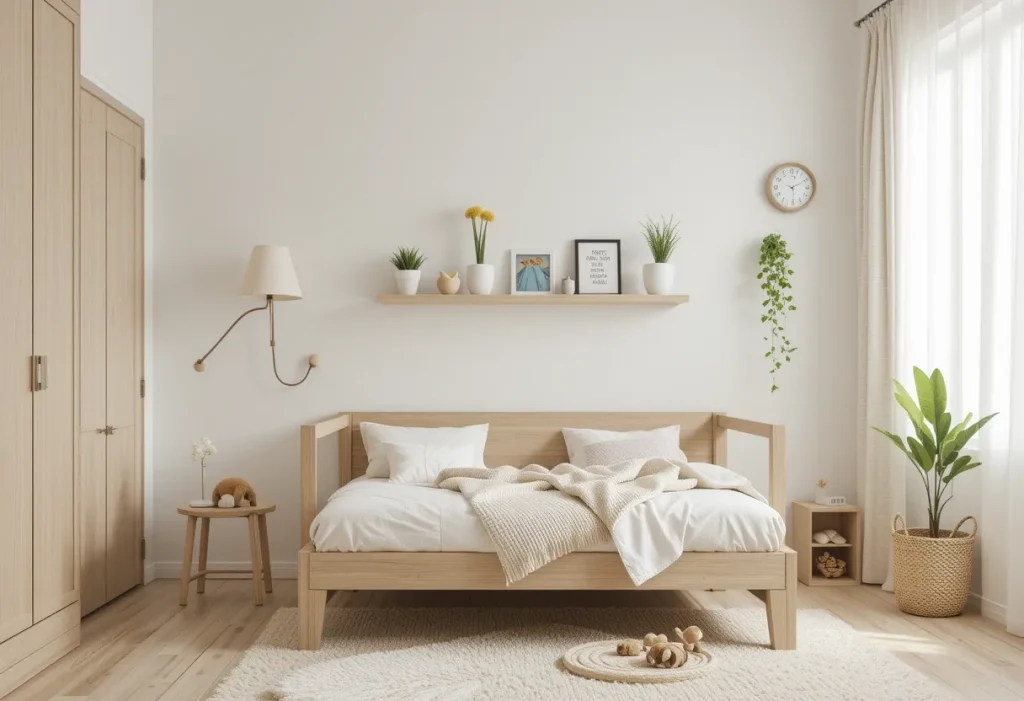
Sometimes, less is more. In a small bedroom, a minimalist approach can help make the room feel larger and less cluttered. By focusing on essential pieces and leaving plenty of open space, you can create a peaceful and functional environment. Minimalist furniture, such as simple beds and storage units, typically costs between $150 and $400. This approach can work wonders, especially in smaller rooms where every piece of furniture should have a purpose.
Pro Tip: Keep decor simple and focus on clean lines.
- Choose multifunctional furniture to maximize space.
- Use neutral colors for walls, furniture, and decor.
- Only keep items that your child truly needs or loves.
- Avoid overcrowding the room with unnecessary accessories.
- Opt for hidden storage options to keep the room tidy.
23. Incorporate Natural Elements

Adding natural elements like wood furniture, plants, or woven baskets brings warmth and texture to a kid’s room. These additions create a soothing, nature-inspired atmosphere while keeping the room feeling fresh. Furniture made from natural materials typically costs around $100 to $300, and plants can be as low as $10 each. Natural elements can provide a calming effect that encourages relaxation, making it an ideal solution for a child’s bedroom.
Pro Tip: Choose low-maintenance plants that are safe for kids.
- Opt for wooden furniture with a natural finish to maintain an organic look.
- Include indoor plants to purify the air and bring life to the room.
- Use woven baskets or jute rugs to add texture and warmth.
- Keep plants in a safe, out-of-reach location to avoid accidents.
- Select natural materials for bedding and textiles to match the theme.
24. Wall Art and Posters

A small room doesn’t mean you can’t have fun with art. Wall art and posters are great ways to showcase your child’s personality and interests without taking up valuable space. Prints, posters, or framed art typically cost between $15 and $100, depending on size and framing. This is an affordable way to personalize the room, allowing your child to display their favorite characters, places, or memories.
Pro Tip: Use frames that are easy to switch out as your child’s tastes evolve.
- Choose art that fits the room’s color scheme and theme.
- Create a gallery wall for a more dynamic look.
- Go for prints or posters that reflect your child’s hobbies or dreams.
- Hang artwork at eye level for better visibility.
- Ensure all frames are securely fastened to the wall.
25. Let Your Kid Have a Say

Ultimately, your child should feel at home in their room. Let them have a say in the design process so they can feel ownership of the space. Whether it’s choosing the color scheme, selecting bedding, or picking out décor, involving your child can make the room feel more personal. The cost of this idea is free, but it adds immense value to the space by making it truly theirs.
Pro Tip: Listen to their preferences and encourage creativity.
- Allow your child to express what they want in the room.
- Make sure their choices are practical for the space.
- Keep the room flexible so it can grow with their interests.
- Involve them in organizing or decorating.
- Celebrate their choices and make them feel proud of their space.
Conclusion
There you have it 25 small bedroom ideas for kids that’ll help you make the most of their tiny space. Whether you’re working with a superhero lover or a budding artist, these tips will help you create a room that’s not only functional but fun. So, roll up your sleeves, grab some paint, and start transforming your kid’s room today. And hey, don’t forget to enjoy the process after all, it’s your kid’s favorite place to be.