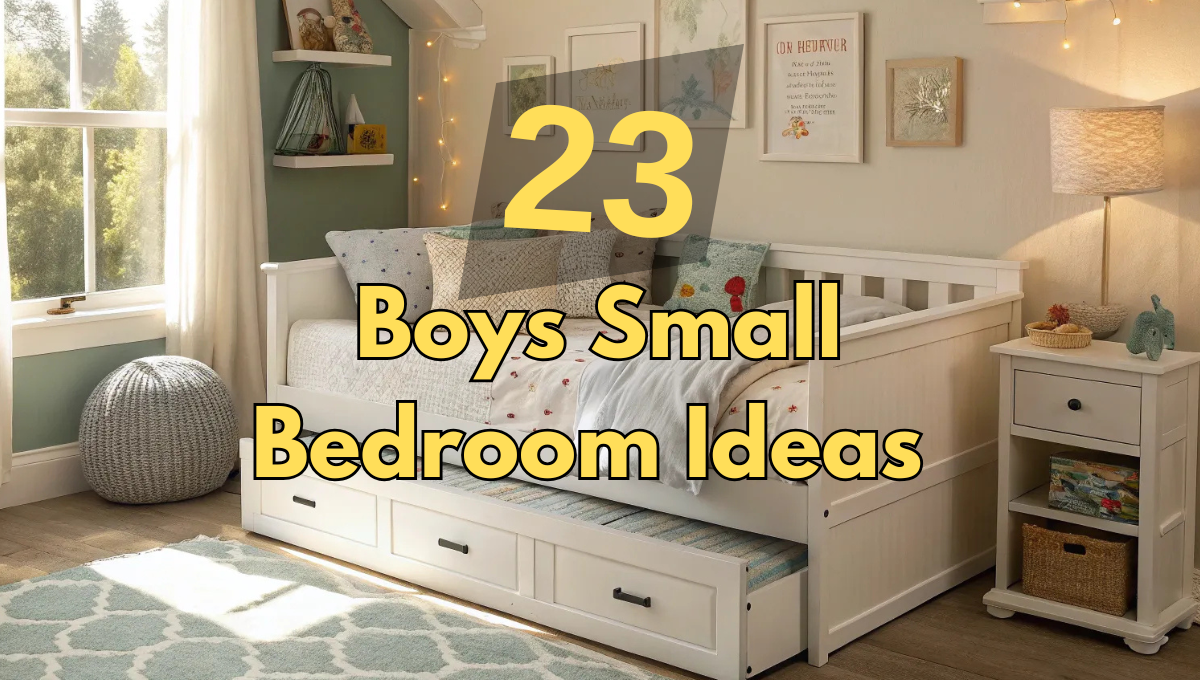
23 Boys Small Bedroom Ideas That Parents will Love Too 2025
Designing a small bedroom for a boy is basically like trying to fit a T-rex into a shoebox. You’ve got to balance style, storage, and space without making it feel like a glorified closet. I’ve been there, and trust me, it’s all about smart tricks, bold choices, and not cramming in that “must-have” gaming chair that’s bigger than the bed (yeah, guilty as charged once).
So, grab your coffee (or energy drink, no judgment), and let’s walk through 23 small bedroom ideas for boys that actually work and look cool while doing it.
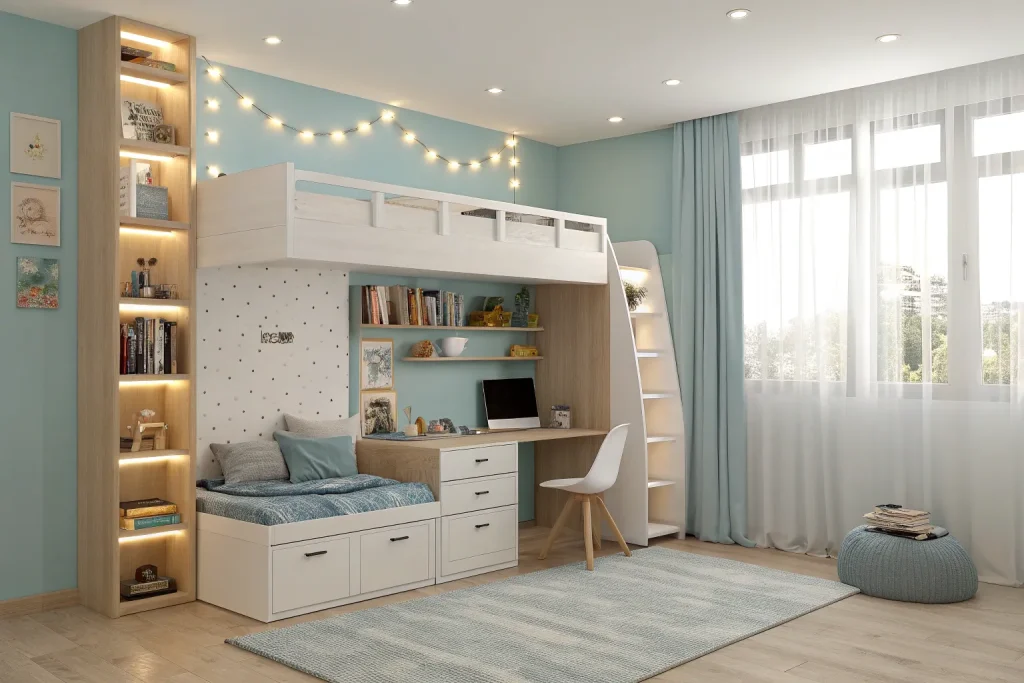
1. Loft Bed with Desk Underneath
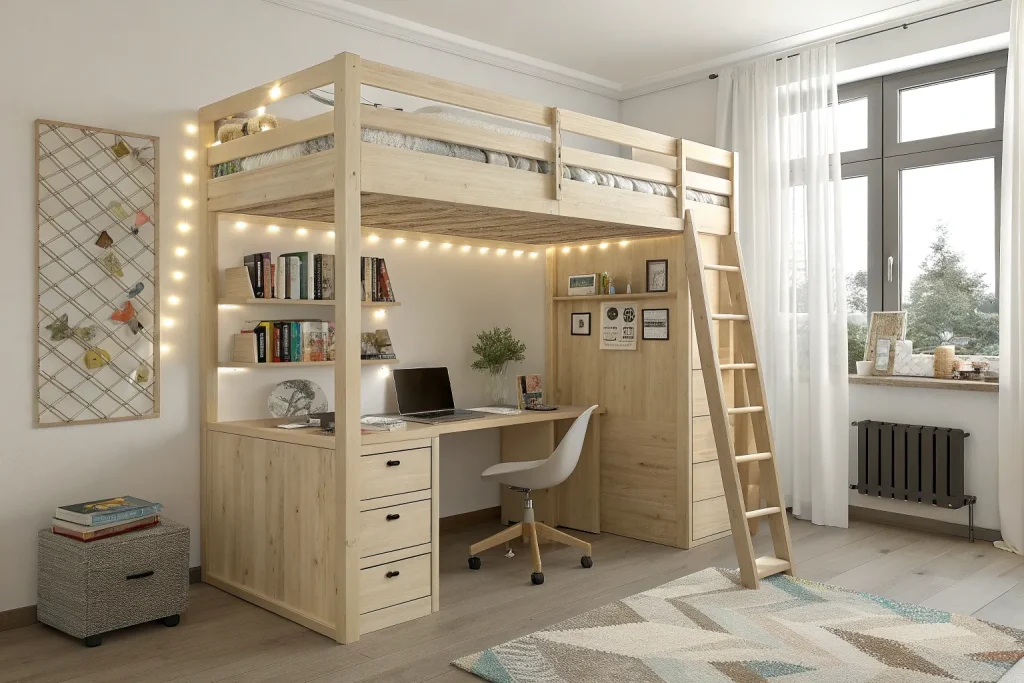
A loft bed transforms vertical space into a multi-use zone, giving a cozy sleeping spot above and a work or play area below. It keeps the floor clear for movement, which is essential in a small room. This setup also works well for teens who need a quiet corner for homework. You can even add extra storage underneath for toys or books. Cost: $250–$500 (moderate).
Pro Tips:
- Choose a sturdy metal or hardwood frame for durability.
- Add LED strip lights under the bed for better visibility.
- Use matching desk and chair to keep the look cohesive.
- Keep the under-bed area clutter-free for a spacious feel.
- Anchor the bed to the wall for extra safety.
2. Wall-Mounted Shelves
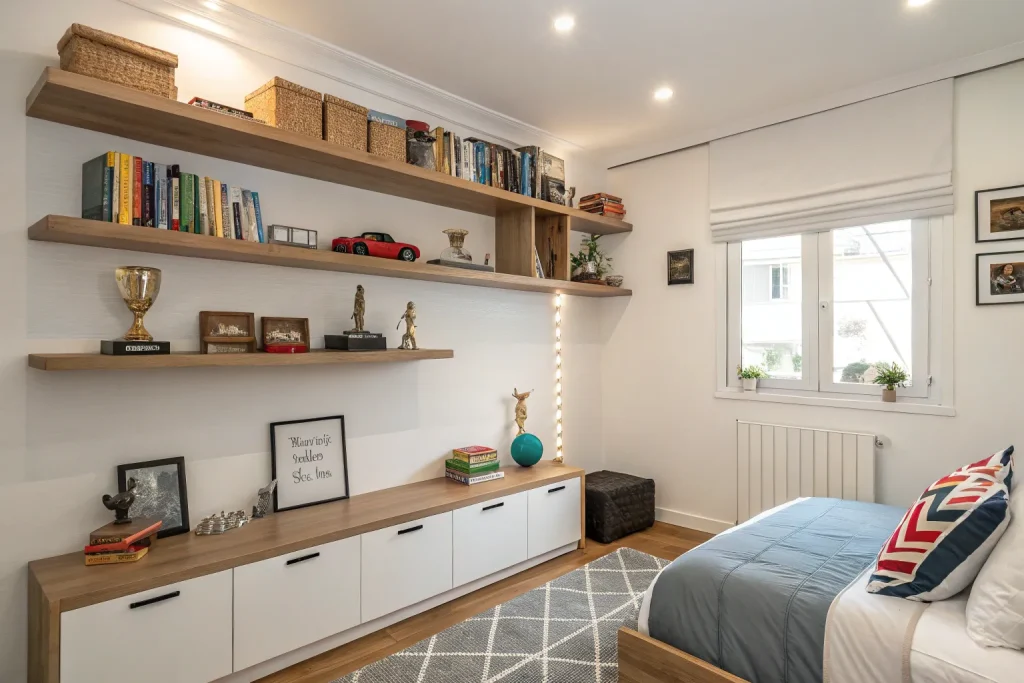
Floating shelves maximize wall space while keeping the floor open for other furniture. They’re ideal for displaying books, trophies, or small collectibles without cramping the room. This design keeps everything organized and visually appealing. Plus, they’re easy to rearrange or add more when needed. Cost: $30–$80 (cheap).
Pro Tips:
- Use sturdy brackets for heavier items.
- Arrange shelves at varying heights for visual interest.
- Stick to a consistent color theme for decor items.
- Avoid overloading shelves to keep them neat.
- Combine open and closed storage for versatility.
3. Under-Bed Storage Drawers

Sliding drawers under the bed turn unused space into hidden storage for clothes, bedding, or toys. This keeps the room looking tidy without extra furniture. It’s a smart way to keep essentials close but out of sight. Great for rooms with minimal closet space. Cost: $50–$150 (cheap to moderate).
Pro Tips:
- Use labeled bins inside drawers for organization.
- Opt for wheels on drawers for easy access.
- Match drawer color with the bed frame for a uniform look.
- Keep seasonal items stored away to free up daily space.
- Avoid overstuffing to maintain smooth sliding.
4. Fold-Down Desk

A wall-mounted fold-down desk saves space by disappearing when not in use. It’s perfect for homework, crafts, or gaming in tight rooms. When folded, it blends seamlessly into the wall decor. This is a great solution for boys who need flexible study space. Cost: $70–$200 (moderate).
Pro Tips:
- Mount it at a comfortable height for the user.
- Use lightweight materials for easy folding.
- Add a corkboard inside for notes and reminders.
- Pair with a folding chair to save more space.
- Keep cables tidy with clips or cable boxes.
5. Light Color Palette

Light colors make a small room feel bigger and brighter instantly. Shades like white, beige, or pale gray reflect light and open up the space. Adding a few bold accents keeps it from feeling boring. This design trick works for any style, from modern to sporty. Cost: $40–$100 (cheap).
Pro Tips:
- Stick to one or two main colors for cohesion.
- Add textured fabrics to prevent a flat look.
- Use light-colored furniture to match walls.
- Keep windows uncovered or use sheer curtains.
- Refresh paint every few years for a crisp finish.
6. Bunk Beds
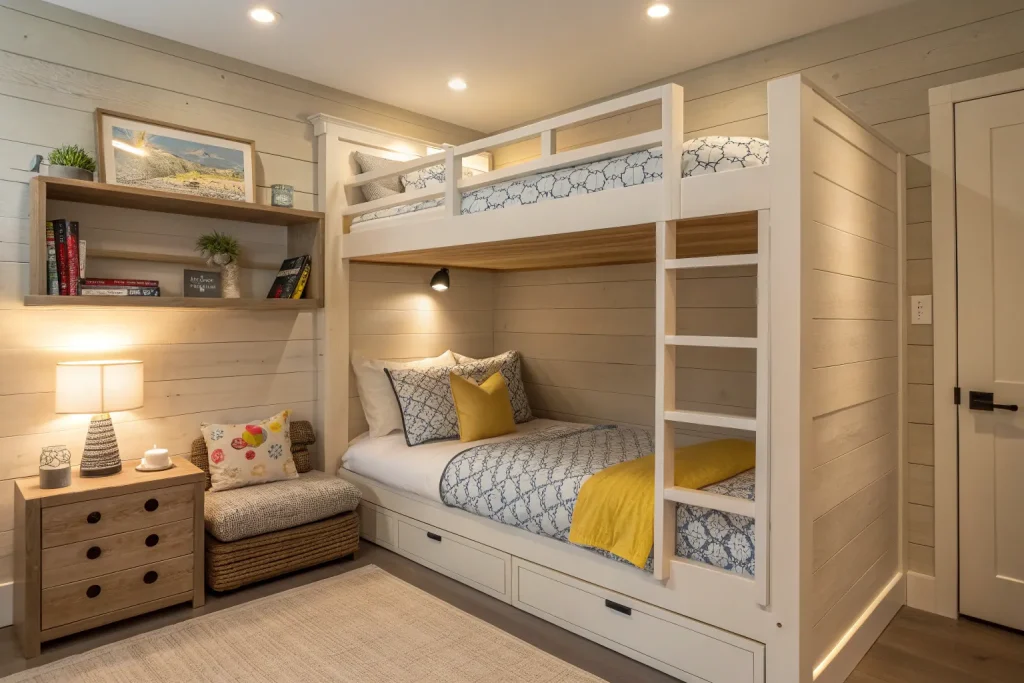
Bunk beds are a smart choice when space is tight and you need extra sleeping options. They use vertical space efficiently, leaving more floor area for playing or studying. Even if there’s only one child, the lower bunk can be turned into a reading nook or storage. This makes the room functional without losing comfort. Cost: $200–$600 (moderate to expensive).
Pro Tips:
- Choose a design with built-in drawers for storage.
- Add safety rails to the top bunk.
- Use lighter colors to avoid making the room feel cramped.
- Keep a small ladder for easy access.
- Use matching bedding for a coordinated look.
7. Pegboard Wall Organizer
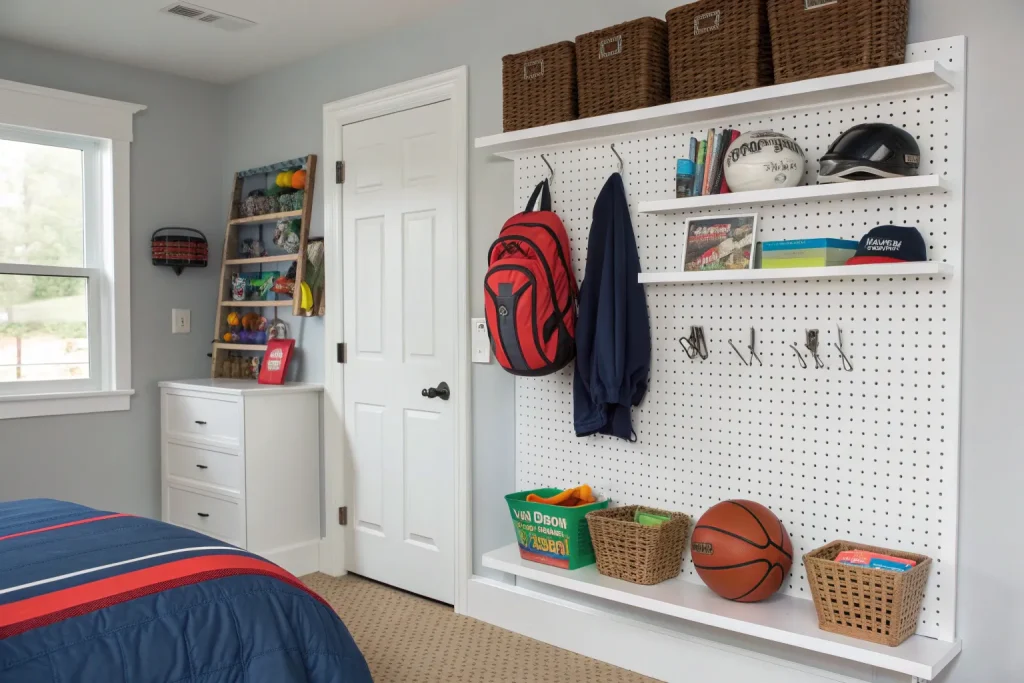
A pegboard turns any empty wall into customizable storage for school supplies, gadgets, or sports gear. It’s flexible enough to rearrange whenever needed. This keeps essentials accessible without cluttering desks or shelves. It’s both functional and budget-friendly. Cost: $25–$70 (cheap).
Pro Tips:
- Use hooks, baskets, and shelves for variety.
- Arrange items by category for easy access.
- Keep heavier items near the bottom.
- Paint the pegboard to match the room’s theme.
- Leave some space for future additions.
8. Corner Desk Setup
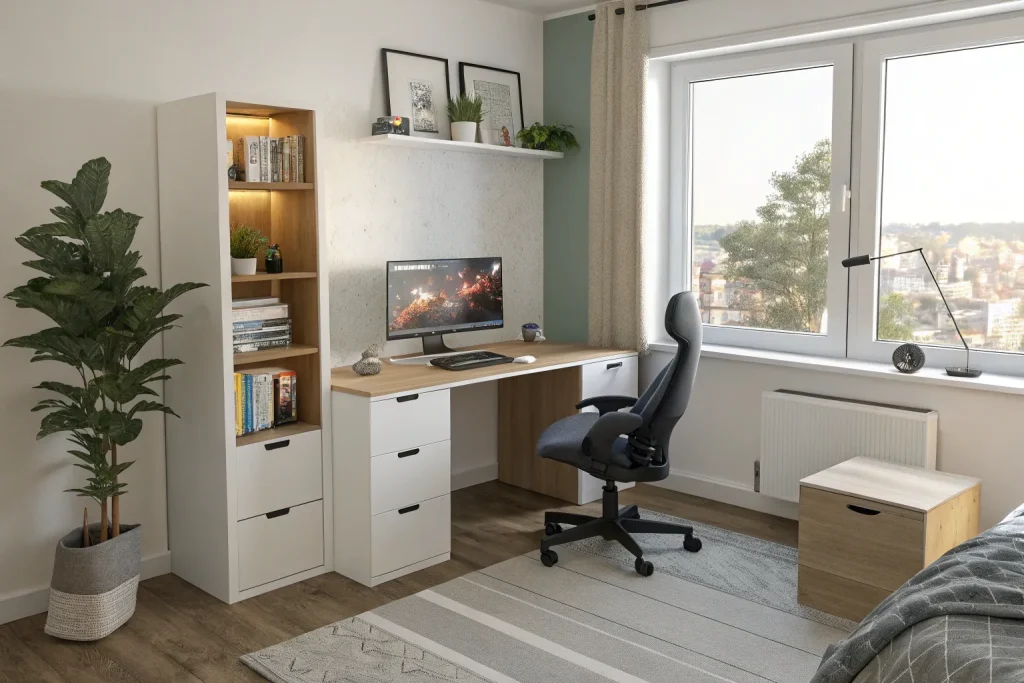
A corner desk makes use of an often-ignored space while leaving the center of the room open. It’s perfect for studying, gaming, or hobbies without taking up valuable wall space. The shape allows for more surface area than a straight desk. This layout keeps the room balanced and functional. Cost: $80–$200 (moderate).
Pro Tips:
- Choose a desk with drawers for extra storage.
- Add a swivel chair for flexibility.
- Keep cables organized with clips.
- Use a small desk lamp for focused lighting.
- Place it near a window for natural light.
9. Bed with Bookshelf Headboard
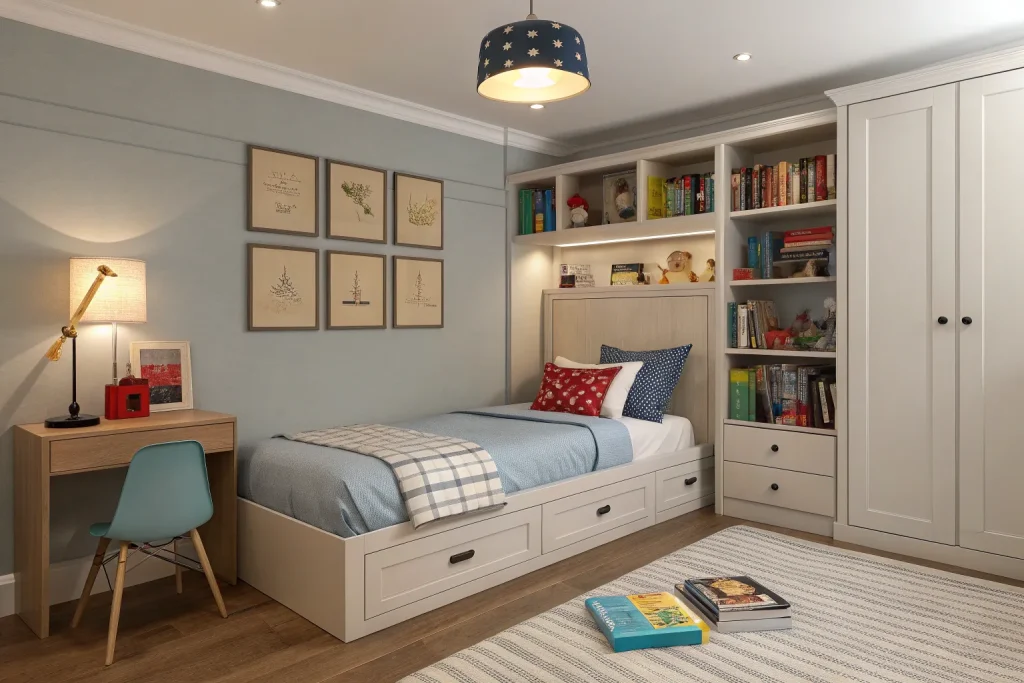
A bed with a built-in bookshelf saves space by combining two pieces of furniture into one. It keeps books, alarm clocks, and decor items within arm’s reach. This setup works especially well for boys who like to read before bed. It also helps keep nightstands clutter-free. Cost: $120–$300 (moderate).
Pro Tips:
- Keep the shelves tidy for a clean look.
- Use bookends to prevent items from falling.
- Add a small reading light on the headboard.
- Decorate with personal items for character.
- Choose a sturdy frame for long-term use.
10. Rolling Storage Carts
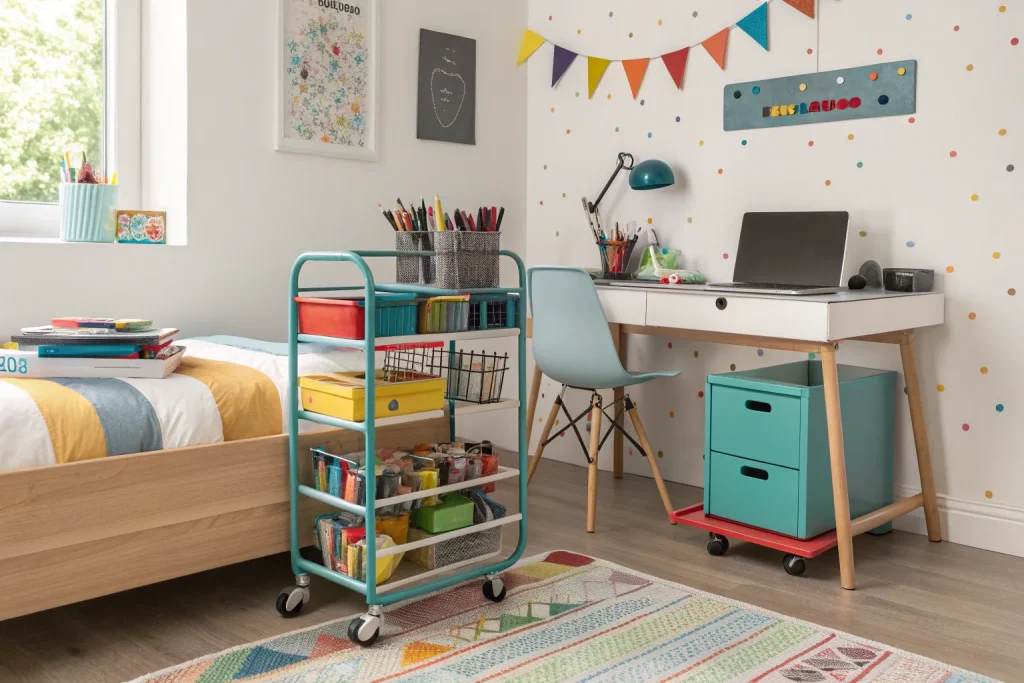
Rolling carts offer portable storage that can move anywhere it’s needed. They’re perfect for art supplies, toys, or electronics. When not in use, they can be tucked into a corner. This mobility keeps the room flexible and clutter-free. Cost: $25–$60 (cheap).
Pro Tips:
- Choose metal or sturdy plastic for durability.
- Assign each tier a specific purpose.
- Use clear containers for easy identification.
- Keep heavier items on the bottom tier.
- Add labels for quick organization.
11. Mirrors to Open Space
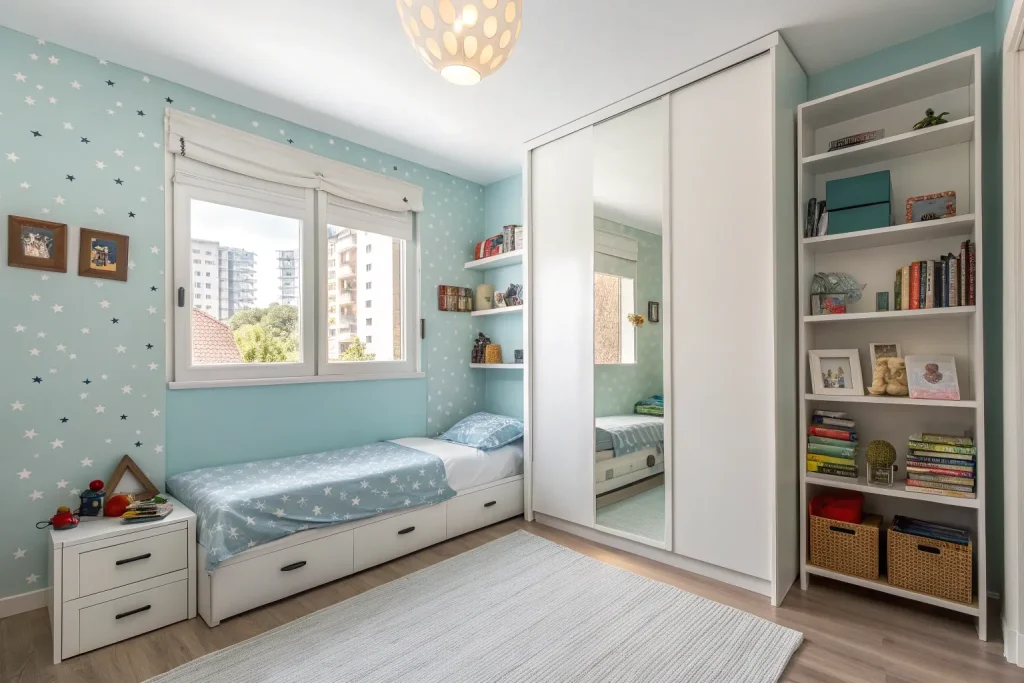
A strategically placed mirror reflects light and creates the illusion of a bigger room. It works best opposite a window or light source. This is a simple, affordable trick that instantly changes the feel of a small space. Mirrors can also be decorative. Cost: $30–$100 (cheap).
Pro Tips:
- Keep the mirror clean for maximum effect.
- Use a frame that matches the room style.
- Place it where it reflects the best view.
- Avoid overly large mirrors in cramped spots.
- Combine with good lighting for best results.
12. Wall Hooks & Racks
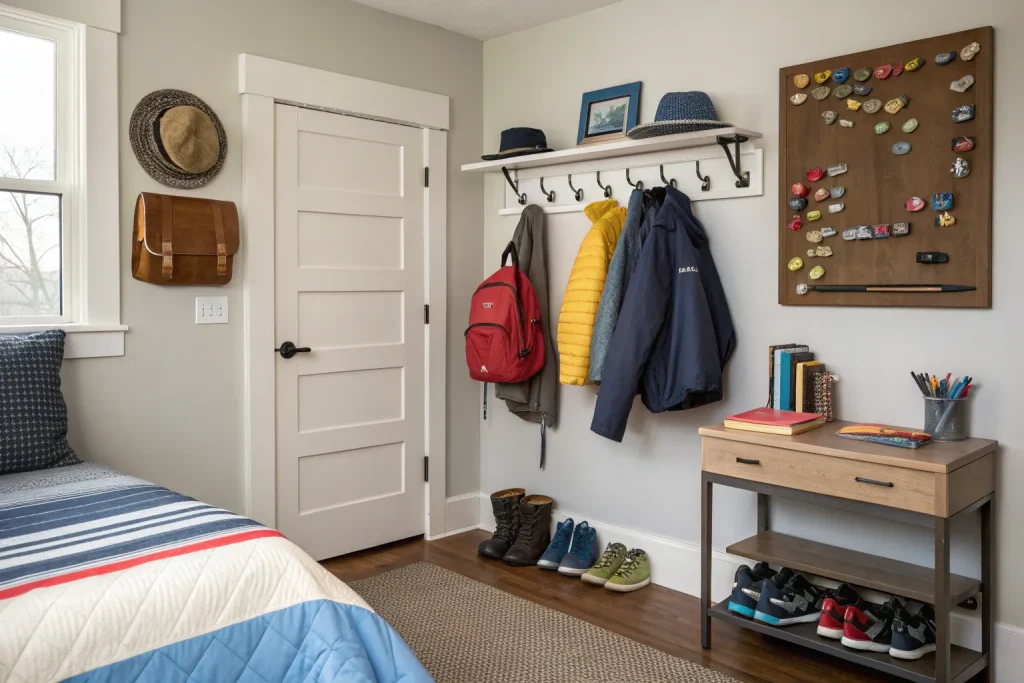
Hooks and racks keep frequently used items off the floor and within easy reach. They’re ideal for bags, jackets, hats, or sports gear. This saves closet space and keeps the room looking neat. They’re easy to install and remove if needed. Cost: $10–$40 (super cheap).
Pro Tips:
- Use sturdy hooks for heavier items.
- Arrange hooks at different heights.
- Keep them near the door for convenience.
- Choose designs that match the room theme.
- Avoid overcrowding to keep things accessible.
13. Daybed with Trundle
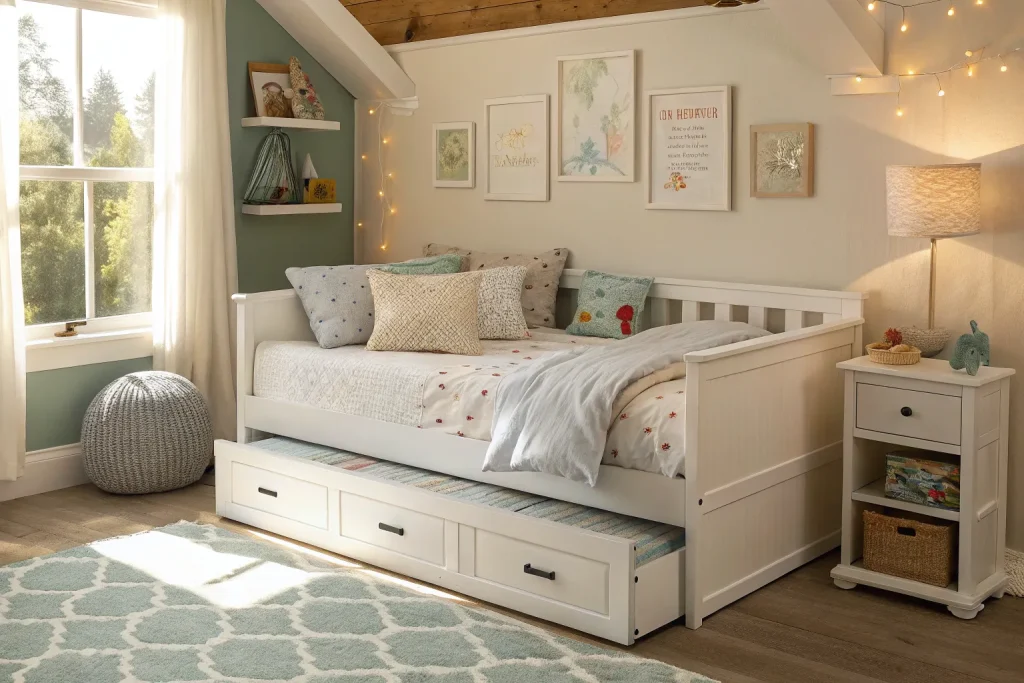
A daybed with a trundle is a great space-saver for sleepovers or guests. The trundle rolls out when needed and disappears when not in use. During the day, it serves as a sofa for lounging. This versatility is perfect for small rooms. Cost: $200–$500 (moderate).
Pro Tips:
- Choose a design with storage drawers.
- Use matching bedding for both mattresses.
- Keep extra sheets stored inside the trundle.
- Opt for smooth wheels for easy movement.
- Place it against a wall to maximize floor space.
14. Slim Wardrobe
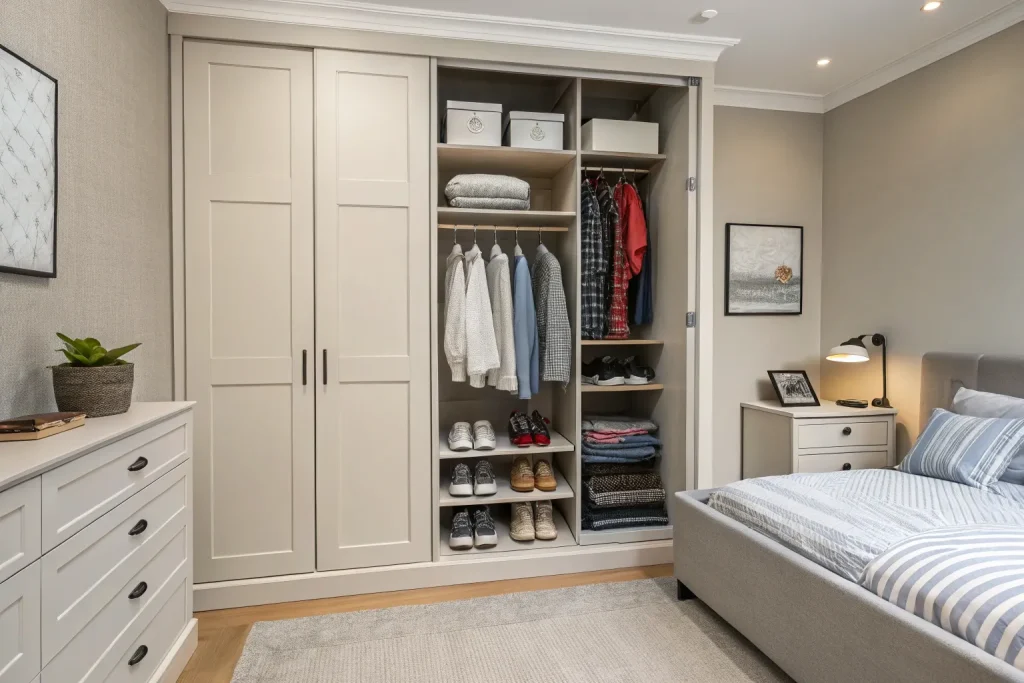
A slim wardrobe offers enough storage for essentials without taking over the room. It fits easily in narrow spaces and can still hold clothes, shoes, and accessories. This is ideal for boys with limited closet space. Its small footprint makes it a practical choice. Cost: $150–$400 (moderate).
Pro Tips:
- Use vertical organizers inside to increase capacity.
- Keep similar items grouped together.
- Add hooks inside doors for small accessories.
- Use a mirror on the door for extra function.
- Choose a neutral color for easy matching.
15. Sliding Doors
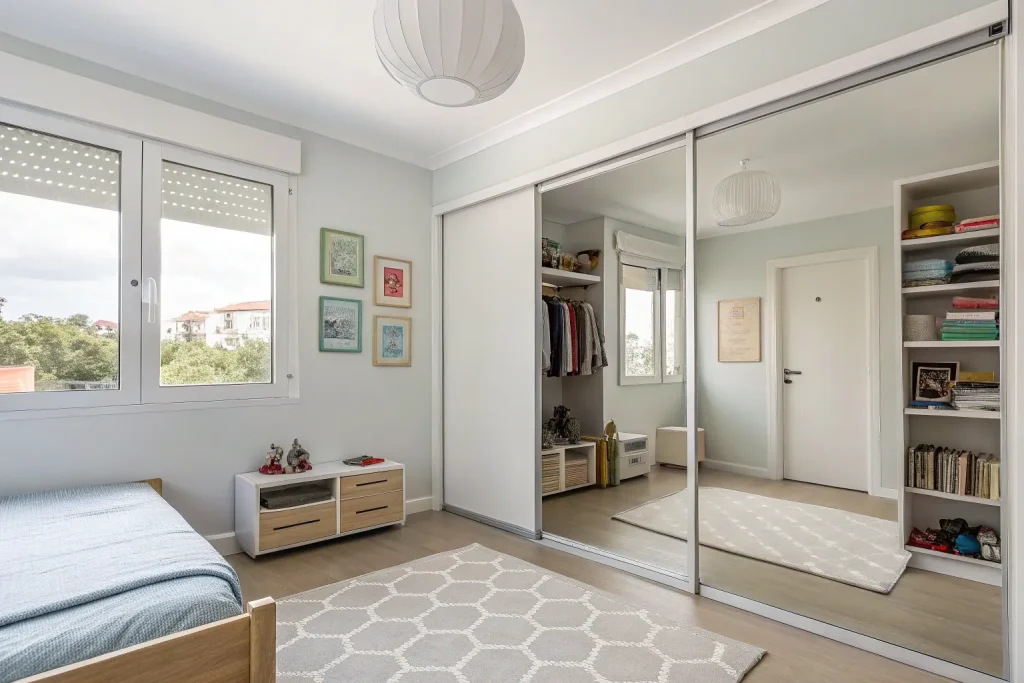
Sliding doors free up floor space that swing doors usually consume. They work well for closets, wardrobes, or even room dividers. This allows more flexibility in furniture placement. They also add a modern look to the room. Cost: $200–$500 (moderate to expensive).
Pro Tips:
- Choose smooth gliding tracks for easy use.
- Keep the door color in harmony with walls.
- Use mirrored panels for a space-enhancing effect.
- Regularly clean tracks to prevent jamming.
- Ensure proper installation for safety.
16. Over-the-Door Storage
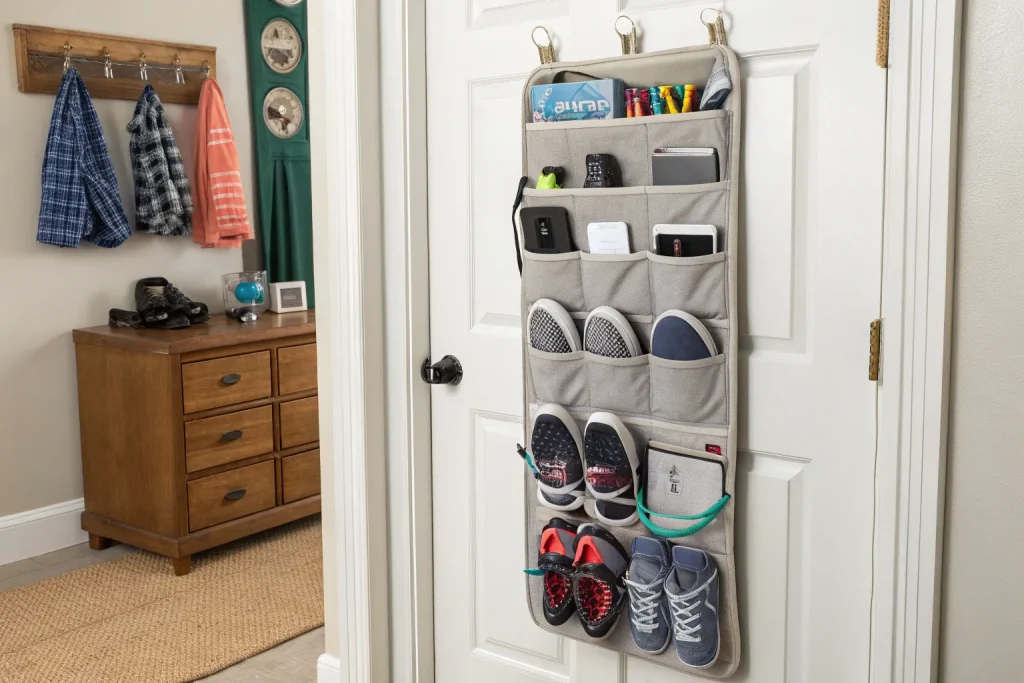
The back of the door is often wasted space, but over-the-door organizers change that. They’re great for shoes, accessories, or small gadgets. This keeps things hidden yet accessible. It’s one of the easiest upgrades for a small room. Cost: $15–$50 (cheap).
Pro Tips:
- Choose clear pockets for visibility.
- Keep heavier items near the bottom.
- Avoid overloading to protect the door.
- Use for seasonal items to save closet space.
- Measure the door before buying for a perfect fit.
17. Multi-Functional Furniture
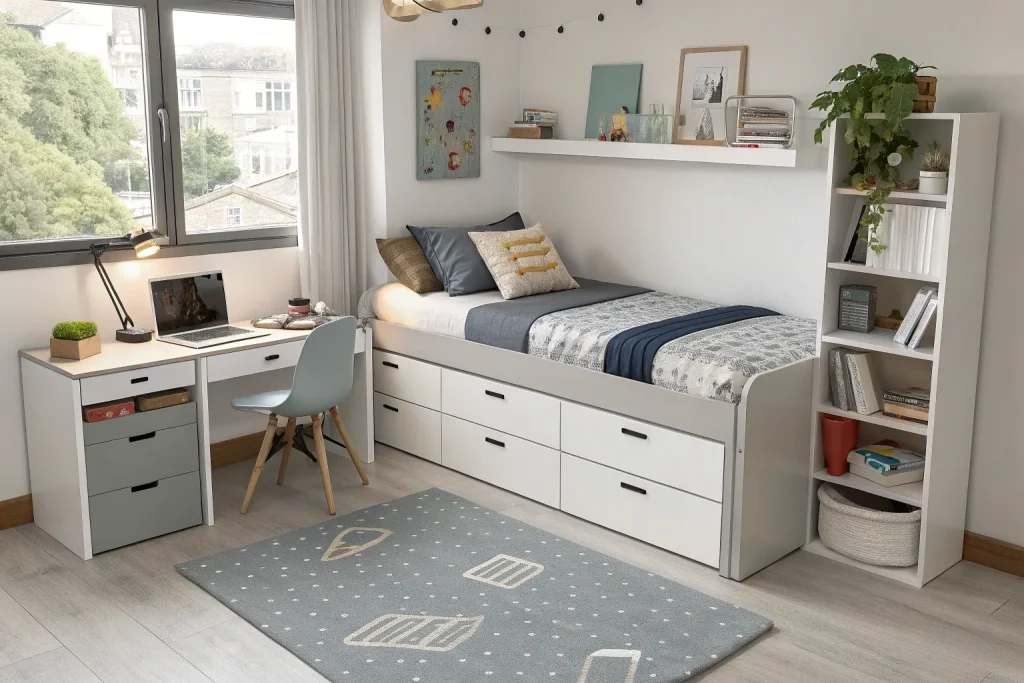
Furniture that serves more than one purpose is a game-changer in small rooms. Think beds with drawers, desks that turn into nightstands, or ottomans with storage inside. This reduces the need for multiple pieces and keeps things tidy. It also makes the room more versatile. Cost: $150–$400 (moderate).
Pro Tips:
- Choose quality materials for long-term use.
- Match multifunction pieces to the room style.
- Avoid bulky designs that overpower the space.
- Prioritize items with hidden storage.
- Keep multifunction zones organized.
18. Accent Wall
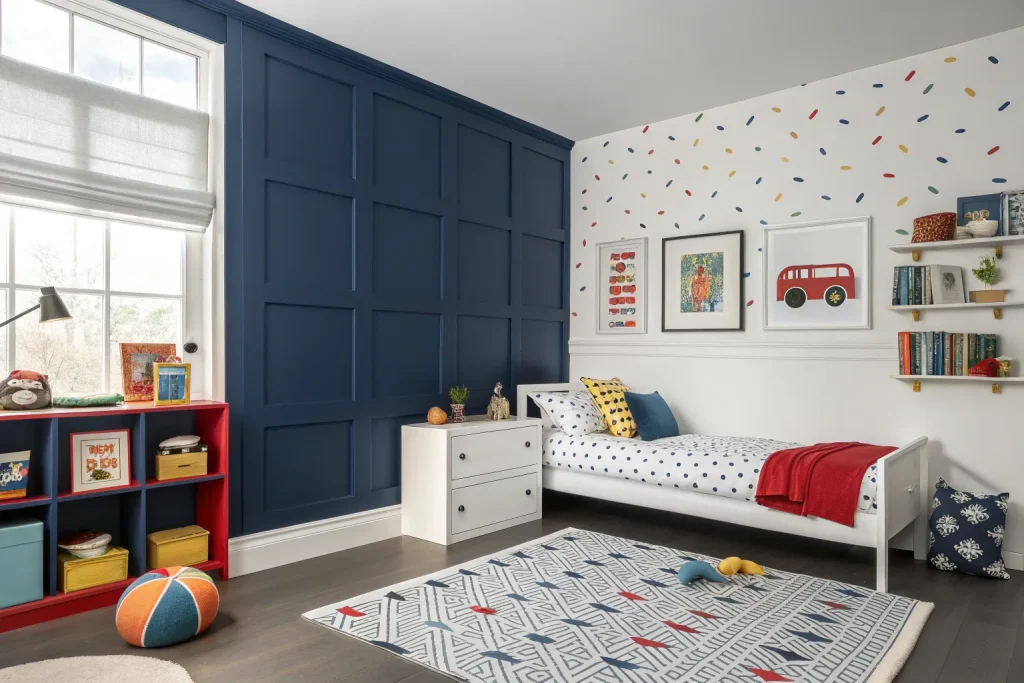
An accent wall adds personality and depth without shrinking the room. It can be a bold paint color, wallpaper, or even textured panels. This draws the eye and makes the room feel unique. It’s an affordable way to refresh a small space. Cost: $30–$80 (cheap).
Pro Tips:
- Keep other walls light to balance the boldness.
- Choose a design that matches the boy’s style.
- Avoid overly busy patterns in very small rooms.
- Use washable paint for easy maintenance.
- Highlight the accent wall with good lighting.
19. Ceiling Storage
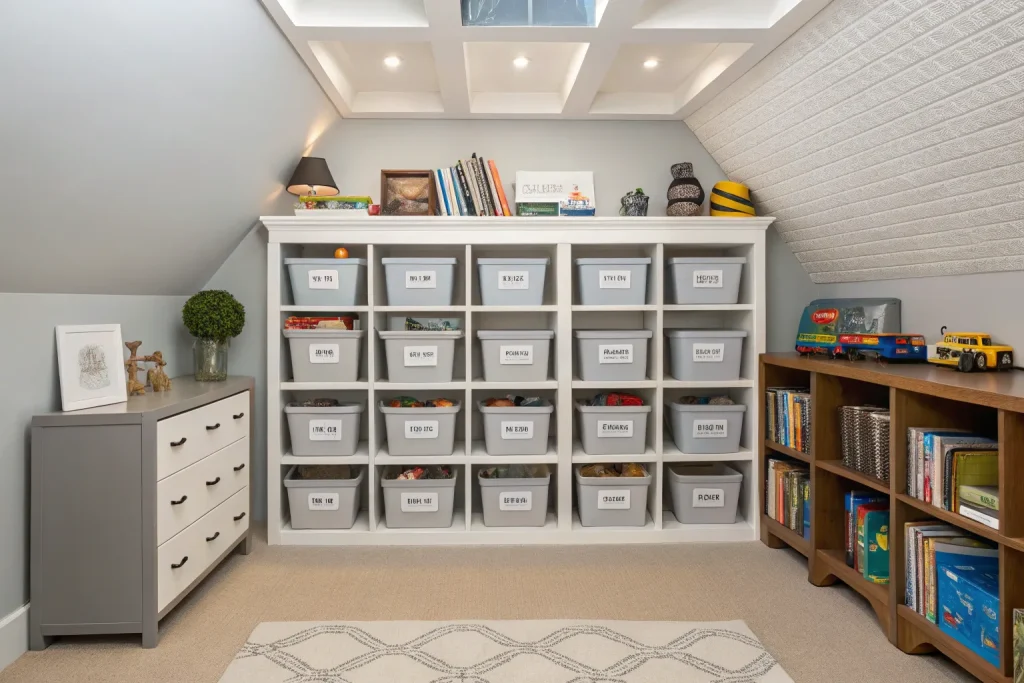
Ceiling-mounted shelves or nets take advantage of often-unused overhead space. They’re perfect for storing seasonal items or sports gear. This clears the floor for more essential furniture. It’s a smart way to maximize every inch. Cost: $20–$70 (cheap).
Pro Tips:
- Ensure the ceiling can handle the weight.
- Keep items in lightweight bins for safety.
- Use a step stool for easy access.
- Label bins for quick identification.
- Avoid storing fragile items overhead.
20. Stackable Storage Bins
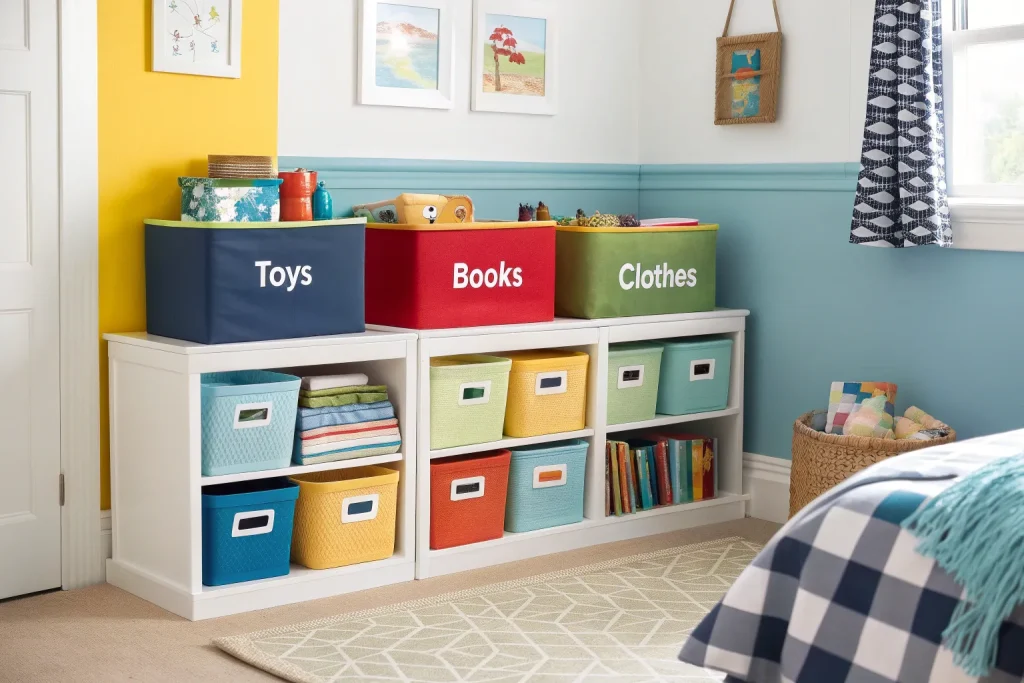
Stackable bins keep belongings organized and make the most of vertical space. They’re great for toys, clothes, or school supplies. This setup makes it easy to rearrange storage as needed. Clear bins help find things quickly. Cost: $20–$60 (cheap).
Pro Tips:
- Use labels for easy sorting.
- Keep heavier bins at the bottom.
- Choose durable materials for long-term use.
- Color-code bins for different categories.
- Stack only as high as safe for the user.
21. Fold-Out Bed (Murphy Bed)
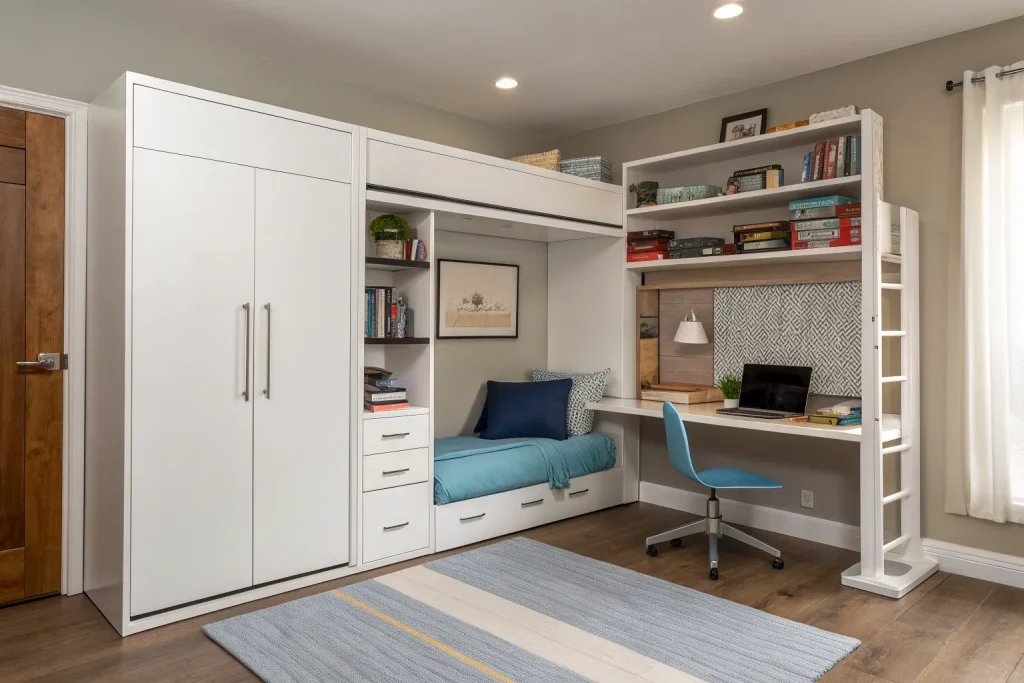
A Murphy bed folds up into the wall, freeing up floor space when not in use. This is ideal for ultra-small rooms that need multifunction areas. It can transform a bedroom into a study or play area instantly. The sleek design keeps the room clutter-free. Cost: $600–$1,500 (expensive).
Pro Tips:
- Hire a professional for safe installation.
- Choose a design with built-in shelves.
- Keep bedding simple for easy folding.
- Ensure the wall structure supports the bed.
- Use regularly to prevent mechanism stiffness.
22. LED Lighting Strips

LED strips add modern style and practical lighting without bulky lamps. They can go under shelves, along beds, or around desks. They create a cozy vibe while saving space. Plus, they’re energy-efficient. Cost: $15–$40 (cheap).
Pro Tips:
- Choose adjustable color and brightness options.
- Install with adhesive backing for easy setup.
- Hide wiring for a clean look.
- Use warm tones for a relaxing effect.
- Replace batteries or check power regularly.
23. Minimalist Layout
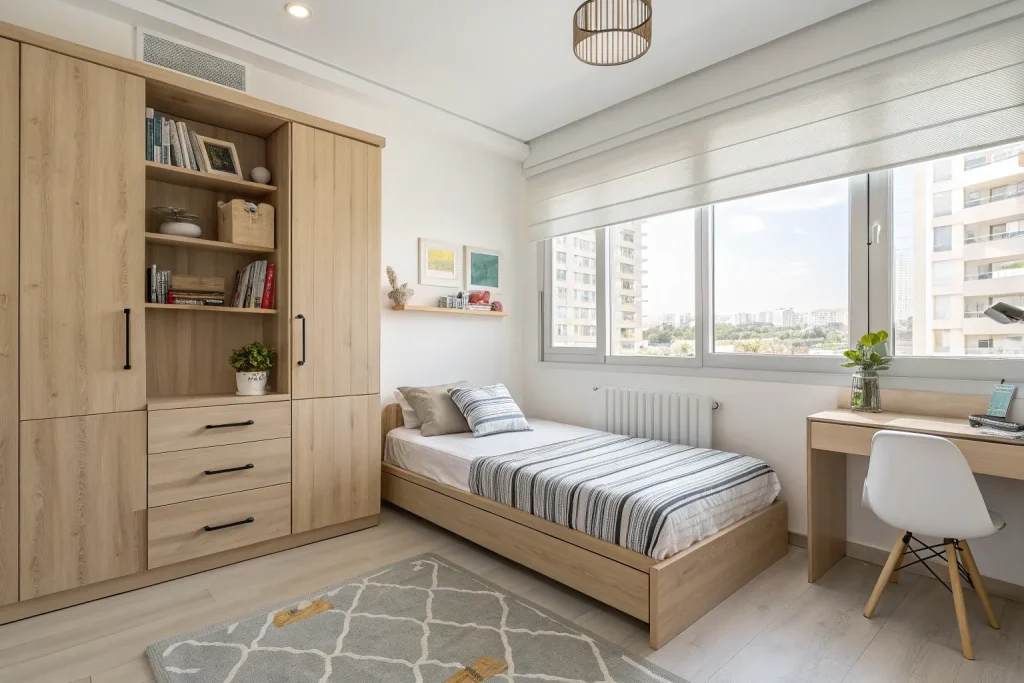
A minimalist approach reduces clutter and focuses on essentials. This instantly makes a small bedroom feel bigger and calmer. Fewer items mean easier cleaning and better organization. It’s a simple but powerful design choice. Cost: Free (unless buying new items).
Pro Tips:
- Keep surfaces clear of unnecessary items.
- Choose multi-use furniture for efficiency.
- Stick to a neutral color scheme.
- Limit decor to a few statement pieces.
- Regularly declutter to maintain the look.
Conclusion
Designing a small bedroom for a boy doesn’t have to feel like a puzzle with missing pieces. With the right mix of space-saving furniture, clever storage, and personality-packed details, you can make it functional and stylish without losing your mind (or stepping on LEGO bricks every day).
So, which one are you trying first? The loft bed? The LED lights? Or are you going full minimalist? Whatever you pick, just remember small spaces are only a problem if you let them be. Now go make that room awesome. 🙂